The Midwest spans over a dozen states, from the Great Lakes shores of Michigan and Wisconsin to the plains of Kansas and Missouri, and finding a centrally located hotel that puts you close to what matters - whether that's a medical appointment in Rochester, live music in Branson, or the Gateway Arch in St. Louis - can make or break a trip. These 15 hotels sit in or near city cores, entertainment districts, and key transit corridors, giving travelers a real logistical edge without the guesswork of suburban sprawl.
What It's Like Staying in the Midwest
The Midwest is not one destination - it's a network of distinct mid-sized cities, rural corridors, and lake-country retreats, each with its own transport logic and crowd rhythm. Car dependency is the dominant reality across most of the region; outside of downtown Toledo, Omaha, or St. Louis, you'll need a vehicle for almost everything. Staying centrally matters far more here than in coastal cities with reliable transit grids, because the difference between a downtown hotel and a suburban one can mean an extra 40 minutes of driving per excursion. Crowd patterns vary dramatically - Branson, Missouri peaks hard in summer and fall foliage season, while cities like Rochester, Minnesota and Salina, Kansas draw a steadier year-round visitor base tied to business and medical travel. Midwest hospitality is notably unpretentious, with most properties offering generous parking, hearty breakfasts, and pricing that undercuts comparable coastal hotels by a wide margin.
Pros:
- Free parking is standard at the vast majority of Midwest hotels, eliminating a daily cost that routinely exceeds $50 in cities like Chicago or New York
- Centrally located hotels in Midwest cities like Omaha, Toledo, and Birmingham (MI) give walkable access to cultural venues, restaurants, and entertainment without a car
- Hotel rates across the Midwest are consistently lower than coastal equivalents, with solid 3- and 4-star properties available at competitive nightly rates
Cons:
- Public transportation is limited or non-existent in smaller Midwest cities and towns like Shipshewana, Mayville, and Chippewa Falls - a rental car is often essential
- Dining variety after 9 PM drops sharply outside major cities, making in-hotel dining options a more practical factor than it would be elsewhere
- Some Midwest destinations (Galena, Empire, La Grange) are best treated as base camps rather than walkable urban hubs, requiring adjusted expectations for "central" access
Why Choose Centrally Located Hotels in the Midwest
Centrally located hotels in the Midwest consistently outperform suburban alternatives on time efficiency, especially in cities where key attractions, medical facilities, and venues cluster tightly. In Rochester, Minnesota, for example, being within 2 km of the Mayo Clinic campus versus staying near the airport can mean the difference between a 5-minute walk and a 20-minute drive - a meaningful gap for patients and their families. Central Midwest hotels also benefit from stronger amenity packages compared to budget highway properties: indoor pools, fitness centers, on-site restaurants, and business centers are common features even at the 3-star tier. Pricing at centrally placed properties in mid-sized Midwest cities runs competitively, often around 20% higher than fringe-area motels but with substantially more included value - particularly buffet breakfasts, free parking, and free WiFi that are rarely bundled in coastal urban hotels. Room sizes in Midwest central hotels tend to be noticeably larger than their East or West Coast counterparts, and suite-format properties with kitchenettes are widely available, which benefits extended stays.
Pros:
- Central positioning in cities like Omaha, Toledo, and Salina puts guests within walking distance of stadiums, museums, arts venues, and downtown dining without transport costs
- Suite-style and extended-stay formats are common at Midwest central hotels, offering kitchen facilities that significantly reduce meal costs on longer visits
- Bundled amenities - breakfast, parking, WiFi - are standard at this category, making the all-in daily cost highly competitive against any comparable US region
Cons:
- Downtown locations in cities like Toledo or Omaha can involve limited nightlife or quiet streets after 10 PM, which may disappoint travelers seeking a vibrant urban atmosphere
- Central hotels in smaller Midwest towns (Mayville, Chippewa Falls) offer proximity to local landmarks but cannot replicate the density of amenities found in larger metro properties
- Peak season demand in tourist-driven Midwest destinations like Branson and Galena can push central hotel rates up sharply, narrowing the usual price advantage over coastal markets
Practical Booking & Area Strategy for Midwest Hotels
When booking central hotels in the Midwest, your city choice is as important as the property itself. Omaha and Toledo offer the strongest downtown walkability in this guide - both cities have compact cores where a centrally placed hotel puts you within 700 metres to 2 km of multiple major attractions, making a car genuinely optional for daytime exploration. In Rochester, Minnesota, proximity to Mayo Clinic is the defining factor for most visitors, and booking more than 6 weeks ahead is strongly advised during peak clinic scheduling periods when the surrounding hotel market tightens significantly. Branson, Missouri operates on an entertainment-district logic - the best-positioned hotels sit within 2 km of the main theater strip, and those who stay within that band avoid the shuttle dependency and traffic backups that frustrate guests at outlying resorts, especially on summer weekends. For Galena, Illinois, Birmingham (MI), and Chippewa Falls, the central hotel advantage is more about charm and walkable main streets than metro-scale transit; these are slower-paced destinations where being 600 metres from a historic mansion or a ballpark matters more than transit connectivity. La Grange (KY) and Mayville (WI) function best as quiet base camps for travelers exploring their wider regions rather than as self-contained urban destinations.
Best Value Central Hotels in the Midwest
These properties combine competitive pricing with strong central positioning, making them the most efficient choices for cost-conscious travelers who don't want to sacrifice location or core amenities.
-
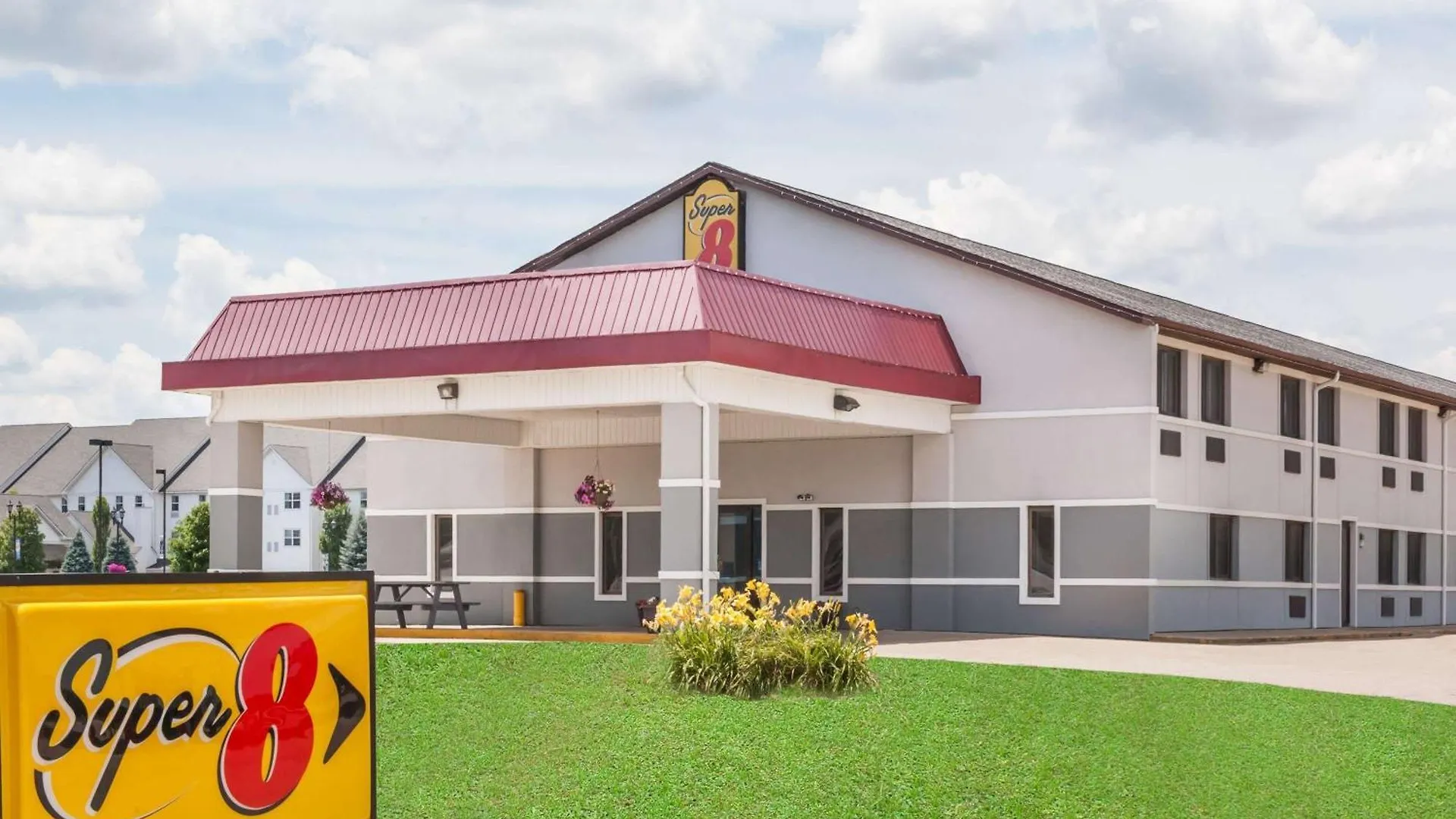
1. Super 8 By Wyndham Shipshewana
Show on map


 Check-infrom 15:00 until 23:59Check-outuntil 11:00
Best price guarantee
fromUS$ 73
-
2. Holiday Inn Express & Suites - St. Louis South - I-55 By Ihg
Show on map


 Check-infrom 15:00 until 23:59Check-outuntil 11:00
Rooms filling fast – secure the best rate!
fromUS$ 169
-
3. Holiday Inn Express & Suites - La Grange By Ihg
Show on map


 Check-infrom 15:00 until 23:59Check-outuntil 11:00
Best price guarantee
fromUS$ 109
-
4. Best Western Holiday Manor
Show on map


 Check-infrom 15:00 until 23:59Check-outuntil 11:00
Best price guarantee
fromUS$ 61
-
5. The Cottonwood Inn B&B
Show on map


 Check-infrom 15:00 until 18:00Check-outfrom 05:00 until 10:00
Best price guarantee
fromUS$ 176
-
6. Farmers Guest House
Show on map


 Check-infrom 15:00 until 18:00Check-outfrom 10:00 until 11:00
Hurry – almost gone at this price!
fromUS$ 215
Best Mid-Range & Premium Central Hotels in the Midwest
These properties offer stronger amenity depth, better urban positioning, or distinctive experiences that justify a higher nightly rate - particularly for business travelers, medical visitors, or those who want their hotel to be part of the destination itself.
-
7. Springhill Suites Rochester Mayo Clinic Area / Saint Marys
Show on map


 Check-infrom 15:00 until 23:59Check-outuntil 12:00
Rooms filling fast – secure the best rate!
fromUS$ 130
-
8. Homewood Suites By Hilton Toledo Downtown
Show on map


 Check-infrom 15:00 until 23:59Check-outuntil 12:00
Just a few rooms left at the best rate!
fromUS$ 139
-
9. Hotel Indigo - Omaha Downtown By Ihg
Show on map


 Check-infrom 15:00 until 23:59Check-outuntil 11:00
Just a few rooms left at the best rate!
fromUS$ 129
-
10. Homewood Suites By Hilton Salina/Downtown, Ks
Show on map


 Check-infrom 15:00 until 23:59Check-outuntil 11:00
Best price guarantee
fromUS$ 204
-
11. Thousand Hills Resort Hotel
Show on map


 Check-infrom 16:00 until 23:59Check-outuntil 10:00
Hurry – almost gone at this price!
fromUS$ 74
-
12. Cobblestone Hotel & Suites - Chippewa Falls
Show on map


 Check-infrom 15:00 until 23:59Check-outuntil 11:00
Best price guarantee
fromUS$ 130
-
13. The Audubon Inn Llc
Show on map


 Check-infrom 15:00 until 23:30Check-outfrom 06:00 until 10:00
Just a few rooms left at the best rate!
fromUS$ 120
-
14. Wingate By Wyndham Brighton
Show on map


 Check-infrom 15:00 until 23:59Check-outuntil 11:00
Best price guarantee
fromUS$ 100
-
15. Daxton Hotel Birmingham, Curio Collection By Hilton
Show on map


 Check-infrom 16:00 until 23:30Check-outfrom 01:00 until 11:00
Best price guarantee
fromUS$ 389
Smart Travel & Timing Advice for Midwest Hotels
Timing your Midwest stay correctly can reduce both cost and friction significantly. Branson peaks hard between June and October, when the entertainment strip runs at full capacity and central hotel rates climb sharply - booking at least 8 weeks ahead is advisable for summer theater-district stays. Rochester, Minnesota sees its tightest hotel availability during Mayo Clinic's busiest scheduling windows, which concentrate in late spring and early fall; late-arriving bookings risk being pushed to suburban properties several kilometers from the clinic campus. For Michigan destinations like Birmingham and Brighton, winter weekends around Mount Brighton's ski season (December through March) drive short-term demand spikes, while summer weekends fill quickly near Sleeping Bear Dunes in Empire. The quietest and most affordable Midwest booking window generally runs from mid-January through early March, when leisure travel drops and business rates ease across cities like Toledo, Omaha, and Salina - making this the optimal window for flexible travelers who want central positioning at the lowest achievable rate. For most Midwest city stays, 2 nights is the minimum to justify travel time, while destinations like Galena, Branson, and the Chippewa Valley reward 3- to 4-night itineraries that allow genuine regional exploration rather than rushed one-day visits.