Inverness City Centre puts you within walking distance of the castle, the River Ness, and the main rail station - making it the most convenient base in the Scottish Highlands. These four central hotels sit at different price points and offer distinct experiences, from spa facilities overlooking the river to characterful Victorian properties steps from the train. This guide cuts through the options so you can book with confidence.
What It's Like Staying in Inverness City Centre
Inverness City Centre is compact enough that most key sights - the castle, the Victorian Market, the riverside restaurants along Bank Street - are reachable on foot in under 15 minutes. The city centre is genuinely walkable, but it also sits at a critical transport hub: Inverness Railway Station connects you to Edinburgh, Glasgow, and Aberdeen, while the A82 road gives direct road access to Loch Ness. Crowd levels are noticeably higher between June and September, when Highland tour groups move through the city daily, particularly around the castle and riverside. Outside peak season, the centre is quieter and hotel rates drop by around 30%. Staying here suits those who want to explore the Highlands by day and return to a walkable, well-serviced base by evening - but travellers seeking solitude or rural atmosphere will find the city centre too urban.
Pros:
- Walking access to Inverness Castle, the River Ness, and Victorian Market without needing transport
- Direct rail and bus connections to the rest of Scotland from the city centre station
- Wide range of restaurants, pubs, and shops concentrated within a few streets
Cons:
- Summer foot traffic around the castle and riverside can make streets noticeably busy
- Parking in the immediate centre is limited; hotel on-site parking is a significant advantage
- Accommodation rates spike sharply during Highland games events and peak tourist season
Why Choose a Central Hotel in Inverness City Centre
Central hotels in Inverness City Centre typically position themselves within 10 minutes' walk of both the railway station and the castle, which makes them functionally different from accommodation on the city's outskirts - where a car becomes near-essential. Room sizes in Victorian-era city centre properties tend to be generous, often featuring high ceilings and traditional furniture that reflect the city's architectural character, though this varies by property. Noise is a realistic trade-off: streets around the High Street and Academy Street see evening foot traffic from bars and restaurants, particularly on weekends, so guests on lower floors facing the street may notice it. Pricing at central Inverness hotels typically sits around £100-£150 per night in peak season, but several properties include free on-site parking - a tangible saving in a city where public car parks fill quickly in summer. The key differentiator for central hotels here is proximity to the rail station, which matters significantly for visitors arriving without a car who plan day trips into the Highlands by public transport.
Pros:
- On-site parking included at several properties, eliminating city centre parking costs
- Victorian-era buildings offer room character and generous ceiling heights uncommon in modern hotels
- Walking access to multiple dining options means no reliance on hotel restaurants every evening
Cons:
- Street-facing rooms in busier blocks can experience noise from evening bar and restaurant traffic
- Central location commands a premium over hotels on the city's residential edges
- Availability during Highland games and summer festivals tightens weeks in advance
Practical Booking & Area Strategy for Inverness City Centre
The most strategically positioned streets for central Inverness hotels are Ness Walk and Ardross Street along the riverbank, which keep you within 5 minutes of both the castle and the city's main restaurant strip - without placing you directly on the noisier High Street corridor. The rail station on Academy Street is the city's main transport artery, with ScotRail services reaching Kyle of Lochalsh for ferry connections to Skye and direct trains to Edinburgh in around 3.5 hours. For Loch Ness, Stagecoach bus route 17 departs from Inverness city centre and reaches the loch in under 30 minutes - no car required. Book central hotels at least 6 weeks ahead for June through August visits, particularly during the Inverness Highland Games in July, when availability across the city centre drops sharply. Attractions within easy walking distance include Inverness Castle (currently undergoing redevelopment as a visitor centre), the Inverness Museum and Art Gallery on Castle Wynd, and Eden Court Theatre on the opposite bank of the River Ness. The riverside walk between the Ness Islands and the city centre is one of the most distinctive urban walks in Scotland and is accessible directly from hotels on Ness Walk without crossing a main road.
Best Value Stays
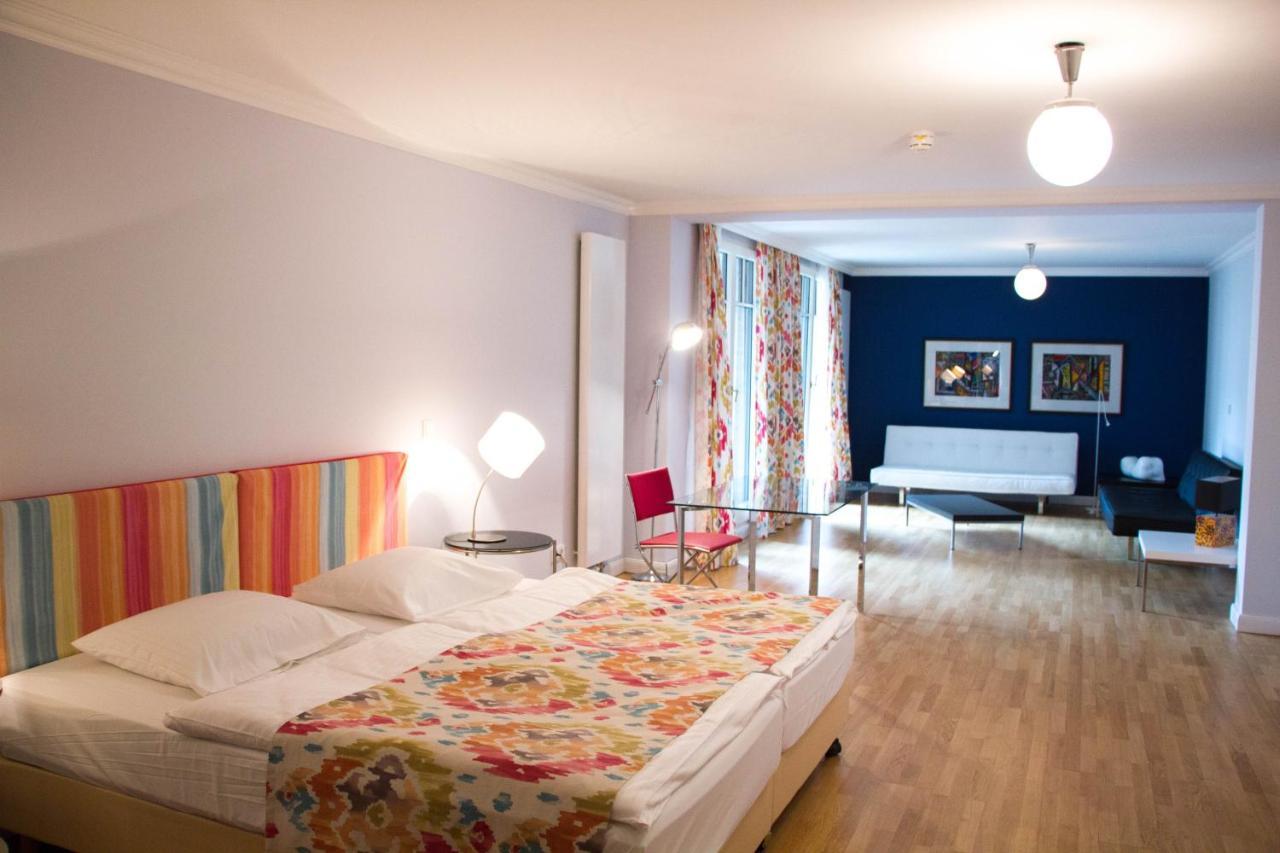
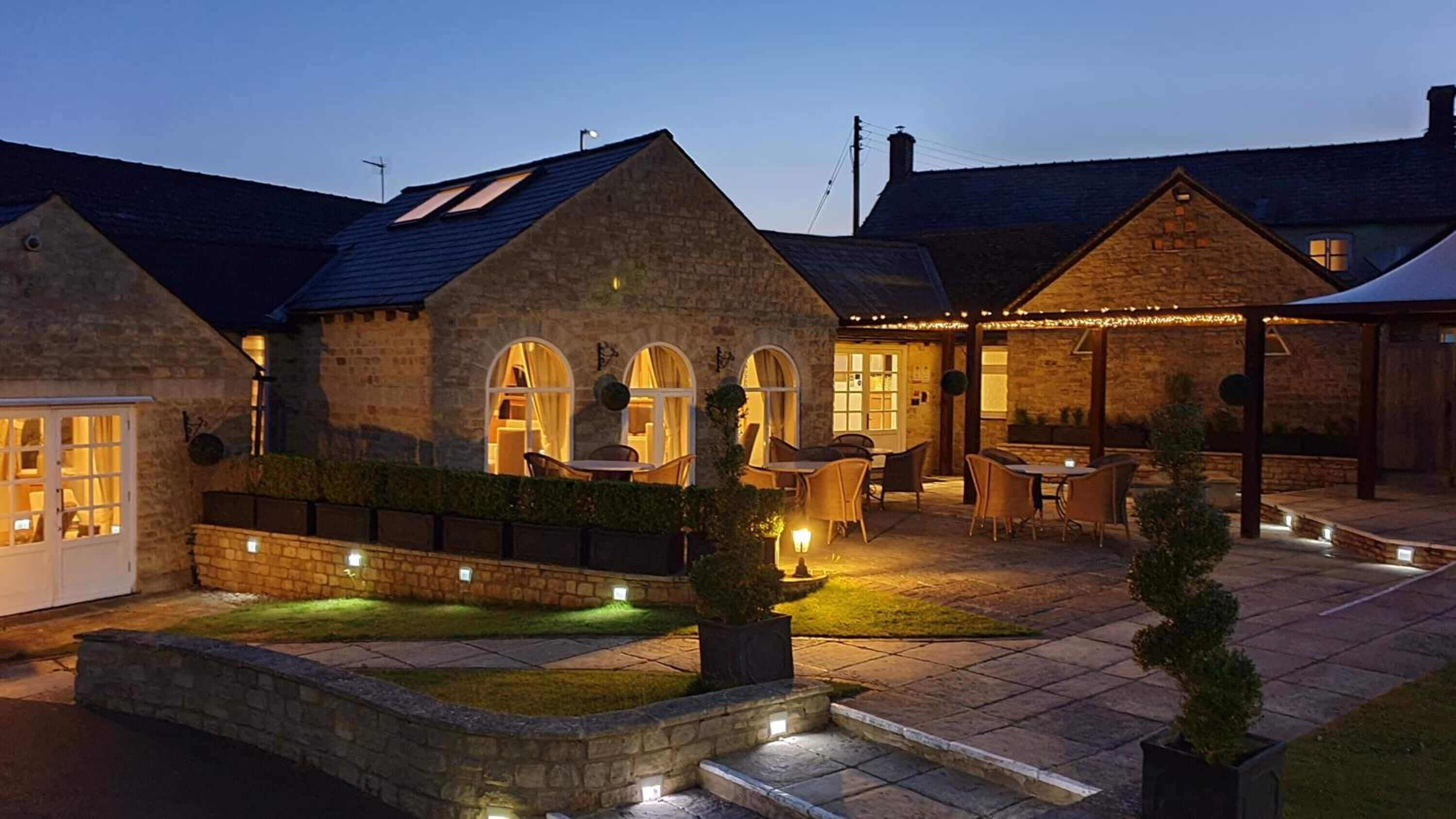
These properties deliver strong central positioning and practical facilities at competitive rates, with free parking included - a genuine cost advantage in Inverness city centre.
-
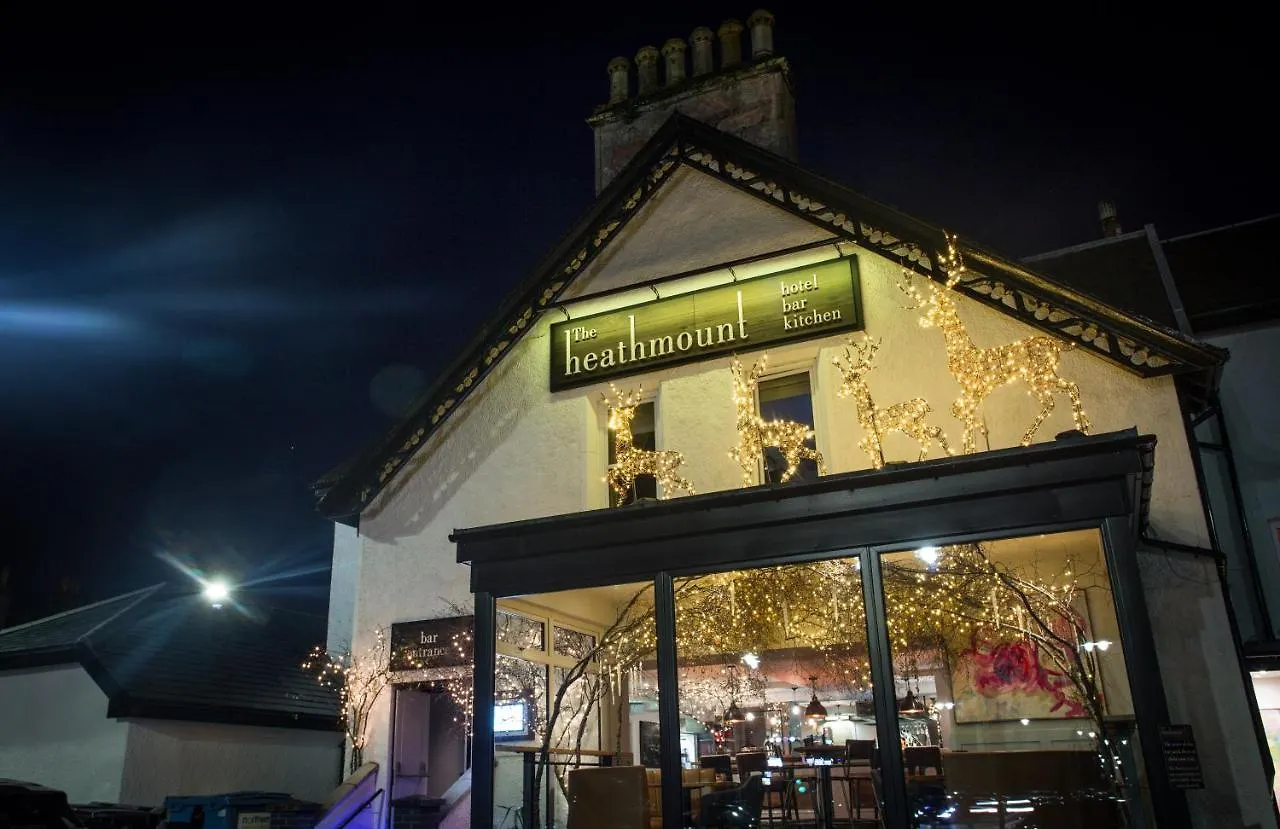
1. Heathmount Hotel
Show on map


 Check-infrom 14:00 until 20:00Check-outfrom 07:00 until 11:00
Just a few rooms left at the best rate!
from£ 115
-
2. Redcliffe Hotel
Show on map


 Check-infrom 15:00 until 23:00Check-outfrom 07:00 until 11:00
Just a few rooms left at the best rate!
from£ 248
Best Premium Stays
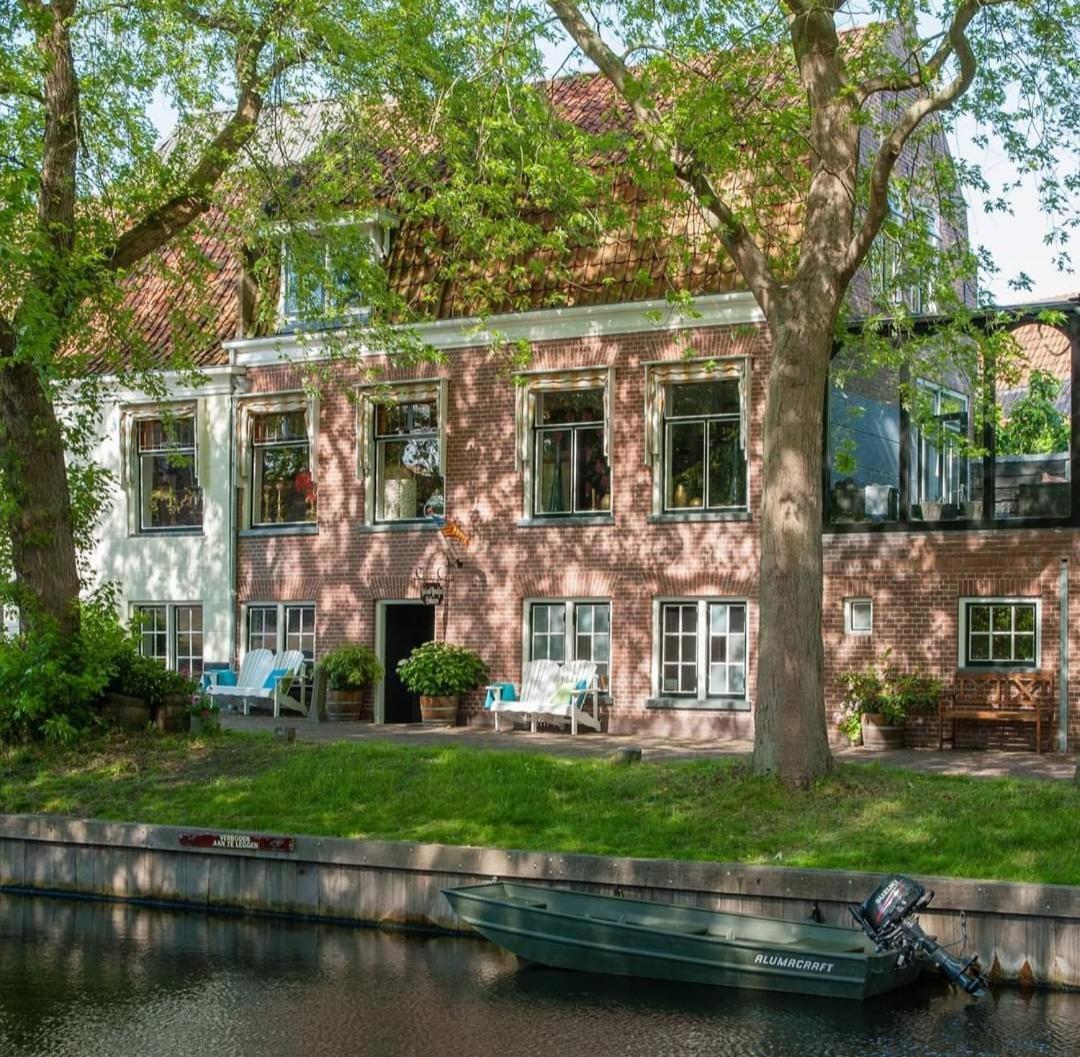
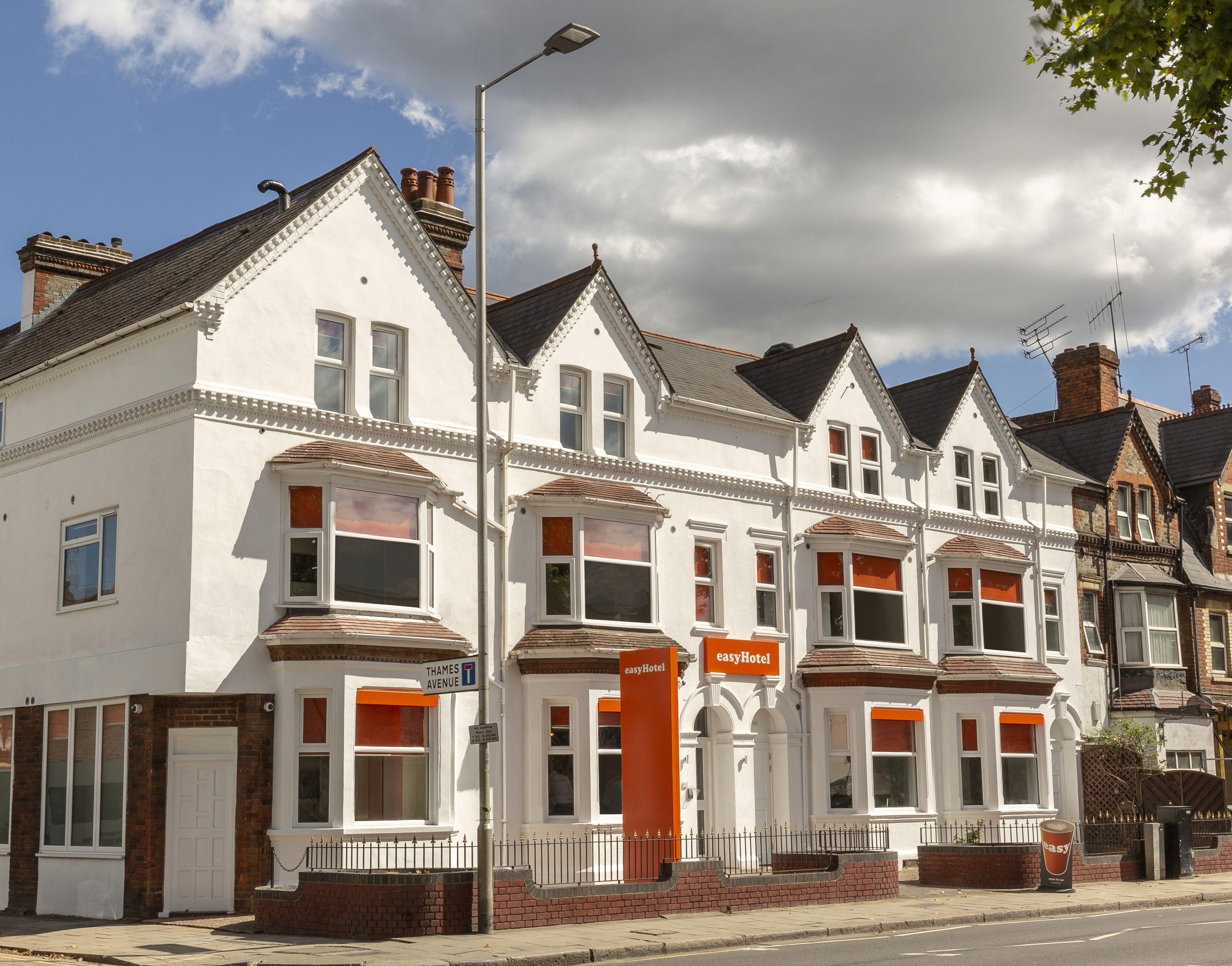
These hotels offer elevated facilities - including spa access, multiple dining venues, and landmark riverside positioning - that justify the higher nightly rate for guests who want more than a central bed.
-
3. The Royal Highland Hotel
Show on map


 Check-infrom 15:00 until 23:59Check-outuntil 10:00
Hurry – almost gone at this price!
from£ 75
-
4. Inverness Palace Hotel & Spa, Worldhotels Distinctive
Show on map


 Check-infrom 15:00 until 23:59Check-outuntil 11:00
Rooms filling fast – secure the best rate!
from£ 124
Smart Travel & Timing Advice for Inverness City Centre
Inverness City Centre follows a clear seasonal pattern that directly affects hotel availability and pricing. July and August are the peak months, driven by Highland Games events, Loch Ness tourism, and the North Coast 500 road trip boom - during this window, central hotels book out weeks ahead and rates at riverside properties can increase by around 40% compared to shoulder season. May, June, and September offer the most balanced conditions: daylight hours remain long, the main attractions are fully operational, and crowds are noticeably thinner than midsummer. January through March is the quietest period; rates drop significantly and the city centre is largely free of tour groups, though some smaller restaurants operate reduced hours. A stay of 3 nights gives enough time to cover Inverness itself, make a day trip to Loch Ness, and take at least one Highland excursion by bus or car. Book central hotels at least 6 weeks ahead for any summer or Highland Games weekend - last-minute availability in peak season is limited and tends to surface only at higher rates. Off-season travellers booking within a week of arrival will generally find better flexibility and occasional rate reductions at independently owned properties.