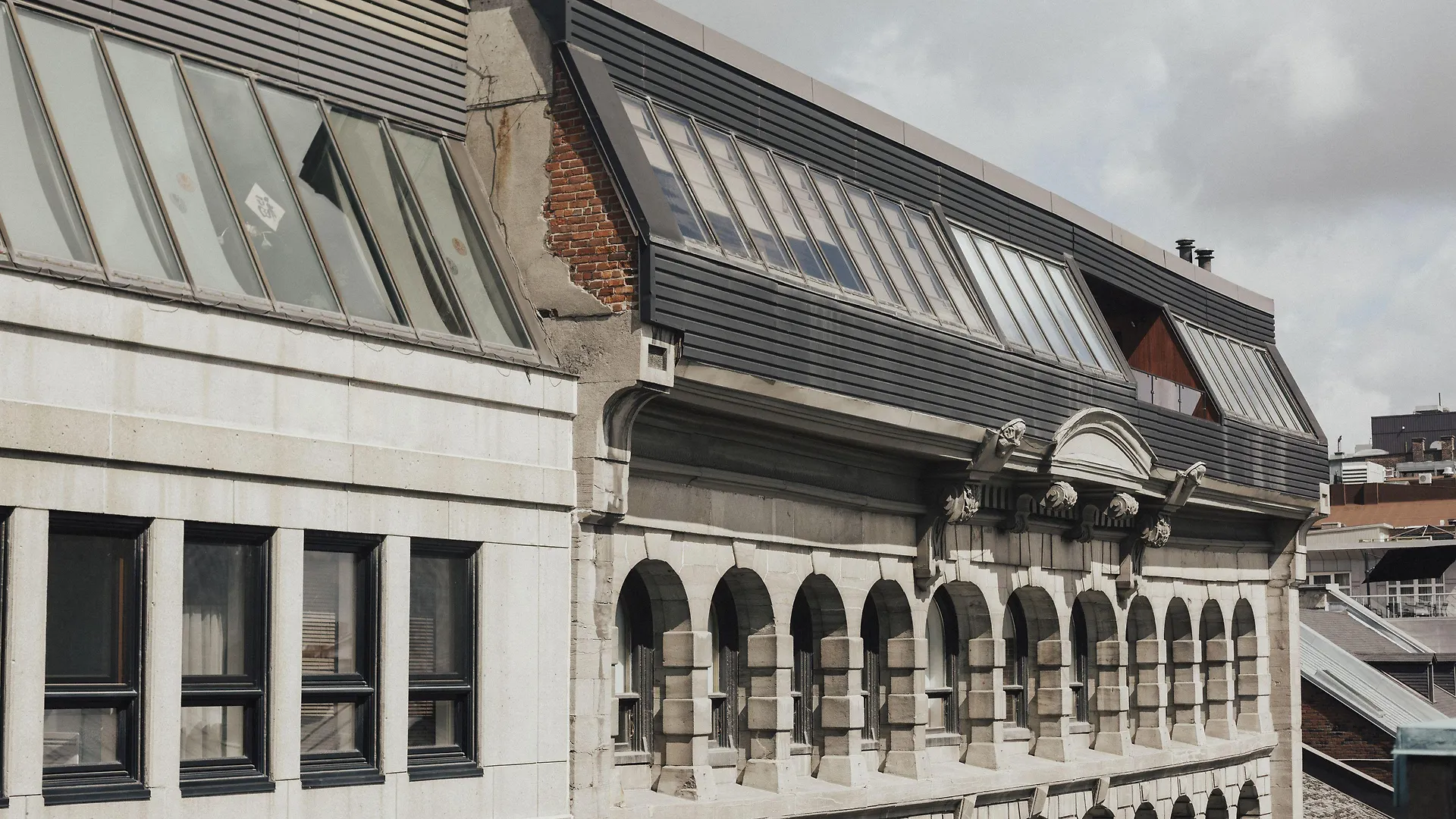
Old Montreal concentrates some of the most architecturally distinctive hotels in Canada - converted bank buildings, 19th-century stone warehouses, and heritage facades that boutique properties have transformed into layered, character-driven stays. This guide covers 7 boutique hotels in Old Montreal with specific detail on location, trade-offs, and what each property actually delivers so you can book with confidence.
What It's Like Staying In Old Montreal
Old Montreal occupies a compact grid of cobblestone streets between the waterfront and the city centre, meaning most major landmarks - Notre-Dame Basilica, the Old Port, Place Jacques-Cartier - are reachable on foot in under 15 minutes from any hotel in the district. The neighbourhood empties noticeably after 10 PM on weekdays, which is a sharp contrast to the Plateau or downtown core; weekend evenings draw significant crowds around Rue Saint-Paul and the waterfront. Staying here means accepting that grocery stores and everyday conveniences are sparse - the district is built for tourism and dining, not residential logistics.
Pros:
- Walking access to Notre-Dame Basilica, the Old Port, and Marché Bonsecours without needing transit
- Place-d'Armes and Square-Victoria-OACI metro stations sit on the district's edge, connecting you to the rest of Montreal in minutes
- The stone-building architecture and river views create an atmosphere that no other Montreal neighbourhood replicates
Cons:
- Cobblestone streets make luggage transport inconvenient, especially from metro stops to hotels
- Weekend foot traffic on Rue Saint-Paul and near the Old Port becomes heavy enough to slow movement significantly
- Hotel rates in Old Montreal run higher than comparable properties in the Plateau or Mile End, with fewer budget options available
Why Choose Boutique Hotels In Old Montreal
Boutique hotels in Old Montreal are almost always housed in heritage buildings, which means exposed stone walls, original architectural details, and room layouts that vary considerably from floor to floor - a feature, not a flaw. Room sizes tend to be smaller than chain hotels at comparable price points, but the tradeoff is direct immersion in the neighbourhood's 19th-century character. In a district where the built environment is the main attraction, staying in a converted warehouse or historic bank building adds genuine context to the experience.
Nightly rates at boutique properties here typically start around CAD 200 and can reach CAD 400 or more during peak summer weekends, which is broadly in line with the area's upscale chain hotels but with notably less standardisation in what you get. Service at smaller boutique properties tends to be more personalised, with staff who know the neighbourhood's restaurant scene, hidden courtyards, and seasonal events in granular detail.
Pros:
- Heritage building character - exposed stone, original beams, and non-standard room layouts that chain hotels cannot replicate
- On-site dining at most properties skews towards local, chef-driven concepts rather than generic hotel restaurants
- Smaller guest counts mean fewer crowds at breakfast, at the bar, and in common areas
Cons:
- Historic building constraints mean elevators are sometimes retrofitted and rooms may lack soundproofing from street-level noise
- Parking is expensive and limited in Old Montreal - budget an additional CAD 35 or more per night for private parking
- Boutique properties rarely offer pools or large fitness facilities; guests needing those amenities may find chain hotels more practical
Practical Booking & Area Strategy
The best-positioned streets for boutique hotel stays in Old Montreal are Rue Saint-Paul Ouest and Rue de la Commune, both running parallel to the waterfront and within easy reach of the main cluster of landmarks. Hotels on or just off Place d'Armes sit closest to Notre-Dame Basilica and have direct walking access to Square-Victoria-OACI metro, which connects to Bonaventure and the downtown core in under 10 minutes. Book at least 8 weeks ahead for July and August, when the Montreal Jazz Festival and other summer events drive occupancy across the entire district to near-capacity.
Old Montreal's cobblestone grid is compact enough that no hotel in the district is more than a 20-minute walk from the Old Port waterfront or Marché Bonsecours. The underground city tunnel system, accessible via Place-d'Armes metro, extends your reach considerably in winter without exposing you to outdoor temperatures. The waterfront area along Rue de la Commune sees the heaviest foot traffic in summer evenings and on weekends - hotels one block north on Rue Saint-Paul offer a quieter sleep without sacrificing walkability. Key attractions within the district include the Montreal History Centre, the Centaur Theatre, and the Pointe-à-Callière archaeology museum, all within a short walk of any hotel listed here.
Best Value Boutique Stays
These properties offer the strongest combination of Old Montreal location and boutique character at accessible price points, with on-site dining and direct proximity to the district's main landmarks.
-
1. Le Petit Hotel Vieux-Montreal - Saint-Paul By Gray Collection
Show on map


 Check-infrom 16:00 until 23:59Check-outuntil 12:00
Just a few rooms left at the best rate!
fromC$ 343
-
2. Auberge Du Vieux Port By Gray Collection
Show on map


 Check-infrom 16:00 until 23:59Check-outuntil 12:00
Just a few rooms left at the best rate!
fromC$ 259
-
3. Hotel Nelligan
Show on map


 Check-infrom 16:00 until 23:59Check-outuntil 12:00
Just a few rooms left at the best rate!
fromC$ 824
Best Premium Boutique Stays
These properties combine boutique character with elevated service infrastructure, multi-concept dining, and design positioning that justifies higher nightly rates in Old Montreal and its immediate borders.
-
4. Hotel Place D'Armes
Show on map


 Check-infrom 16:00 until 23:59Check-outuntil 12:00
Hurry – almost gone at this price!
fromC$ 522
-
5. Le Westin Montreal
Show on map


 Check-infrom 16:00 until 23:59Check-outuntil 12:00
Hurry – almost gone at this price!
fromC$ 379
-
6. Intercontinental Montreal By Ihg
Show on map


 Check-infrom 16:00 until 23:59Check-outuntil 12:00
Rooms filling fast – secure the best rate!
fromC$ 167
-
7. W Montreal
Show on map


 Check-infrom 15:00 until 23:59Check-outuntil 12:00
Rooms filling fast – secure the best rate!
fromC$ 496
Smart Timing & Booking Advice for Old Montreal
Old Montreal's peak season runs from mid-June through late August, when the Montreal Jazz Festival, Just for Laughs, and outdoor events on the Old Port waterfront generate sustained demand across all hotel categories. Boutique properties with fewer than 50 rooms sell out fastest during these periods - booking 8 weeks ahead is the practical minimum for July stays. September and October offer a compelling alternative: foliage along the waterfront, significantly lower foot traffic on Rue Saint-Paul, and rates that can drop by around 25% compared to peak summer without any meaningful loss of atmosphere or restaurant quality.
Winter stays in Old Montreal require a different mindset - the cobblestone streets become genuinely difficult with ice and snow, and several terraces and outdoor attractions close from November through March. However, hotel rates drop considerably, and the indoor network of the Underground City (accessible via Place-d'Armes metro) keeps the district navigable. For most travellers, a 3-night stay covers the district's key landmarks and dining at a comfortable pace; 4 nights becomes worthwhile if you plan day trips to Mont-Royal, the Plateau, or the Lachine Canal by bicycle.