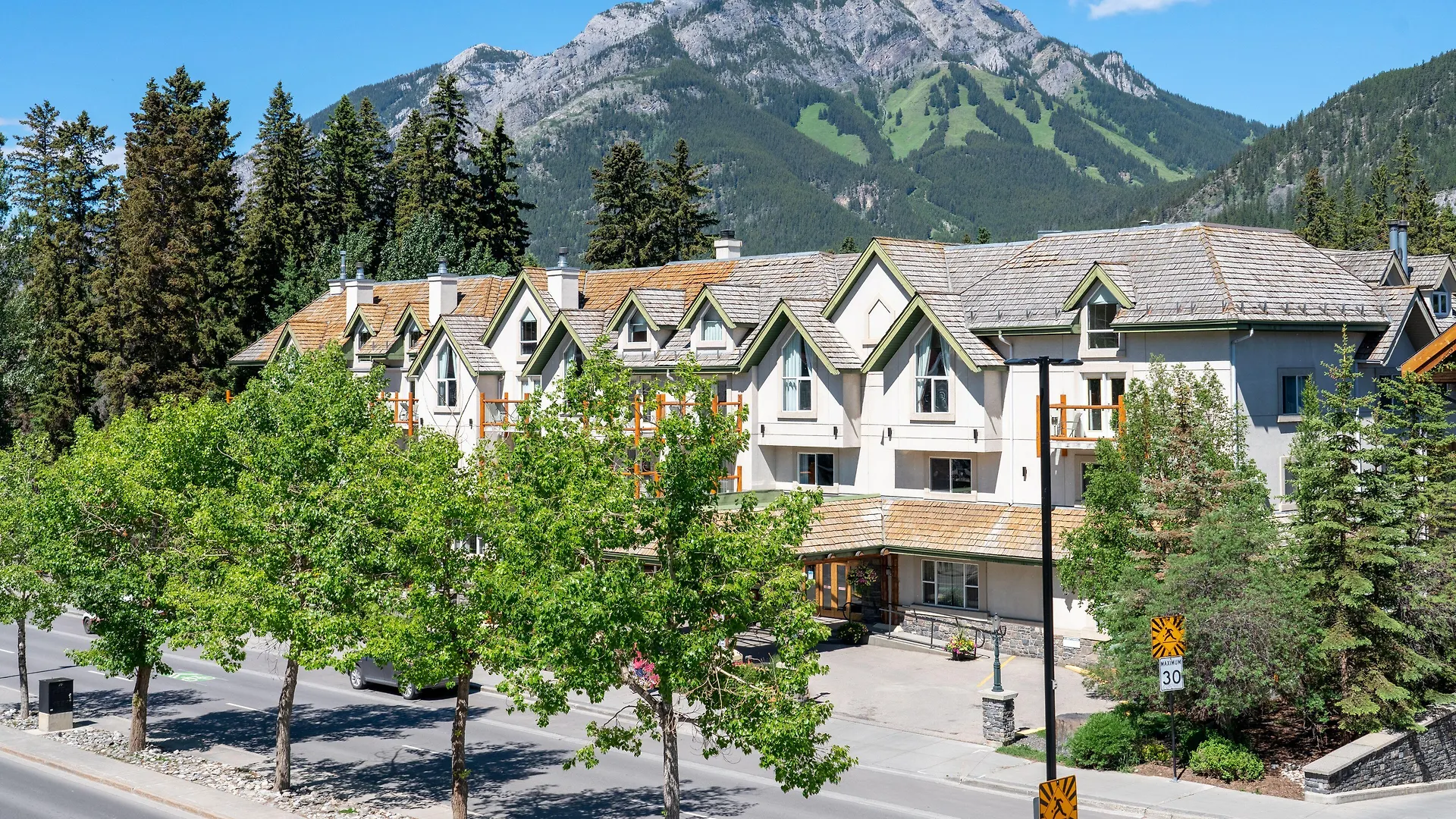
Staying near Banff Upper Hot Springs puts you at the southeastern edge of Banff townsite, with direct access to one of Canada's most visited thermal attractions on Sulphur Mountain Road. The hotels in this guide sit within or close to the Banff Avenue corridor, giving guests a practical base for both the hot springs and the wider national park without depending entirely on a car. Whether you're arriving after a long hike or planning a full day of skiing, proximity to the springs changes the rhythm of your stay in a way that matters.
What It's Like Staying Near Banff Upper Hot Springs
The area around Banff Upper Hot Springs sits at the foot of Sulphur Mountain, around 2 km uphill from the main Banff Avenue strip. Hotels in this guide are positioned along or near Banff Avenue, meaning guests access the springs either on foot (for those closest to the mountain end of the avenue) or by a short drive or Roam Transit bus ride. Roam Transit Route 1 connects Banff townsite to the Upper Hot Springs seasonally, so a car is not strictly necessary. Crowd patterns at the springs peak between late June and early September, and on weekend mornings year-round - staying close means you can time your visit before the midday rush without logistical effort.
Pros:
- Direct access to Sulphur Mountain gondola and Upper Hot Springs within minutes by car or bus
- Central Banff Avenue location doubles as a base for restaurants, shops, and trailheads
- Roam Transit connectivity reduces the need for a rental car during peak season
Cons:
- Banff Avenue hotels can experience pedestrian and vehicle noise, especially on summer evenings
- Accommodation prices in Banff are among the highest in Alberta, particularly July through August
- Parking near the Upper Hot Springs fills up by mid-morning on weekends, requiring early departure from your hotel
Why Choose Central Hotels Near Banff Upper Hot Springs
Central hotels in Banff sit within or immediately adjacent to the Banff Avenue commercial corridor, which runs roughly 1.5 km from the Trans-Canada interchange to the Bow River bridge. Choosing a central property here means the Upper Hot Springs, the gondola base, and downtown dining are all reachable without backtracking or repositioning your accommodation mid-trip. Central positioning in Banff can save around 20 minutes of daily driving compared to properties located outside the townsite boundary - a meaningful difference when park gates and limited road access slow traffic during peak hours. These hotels typically offer mountain-view rooms, heated parking (paid or free), and on-site amenities like pools or fitness centres that complement an active itinerary built around the springs and surrounding trails.
Pros:
- Walking access to Banff Avenue dining, gear shops, and the visitor centre without needing transport
- On-site amenities like indoor pools and hot tubs complement the Upper Hot Springs experience
- Easier early-morning departures for gondola queues and trailheads before crowds build
Cons:
- Central Banff hotels carry a price premium over properties outside the park boundary in Canmore
- Room sizes in central lodges can be compact given the high land value within the national park
- High summer occupancy means last-minute availability is limited, especially on long weekends
Practical Booking & Area Strategy
The strongest positioning for access to Banff Upper Hot Springs is the southern end of Banff Avenue, closest to the Spray Avenue junction, which is the road that leads directly up to Sulphur Mountain. Hotels on Banff Avenue between Buffalo Street and Caribou Street offer walkable access to downtown while keeping the hot springs under 10 minutes by car. Roam Transit Route 1 runs from Banff downtown to the Upper Hot Springs, with stops near most central hotels - a practical option when the springs parking lot reaches capacity before 10 a.m. on summer weekends. Beyond the hot springs, nearby attractions include the Banff Gondola (adjacent to the springs), Johnston Canyon (around 26 minutes by car), Cave and Basin National Historic Site (around 9 minutes by car), and Sunshine Village Ski Resort (around 30 minutes). For the best rates, book at least 6 weeks ahead for July and August visits; shoulder season in May or October offers reduced prices and significantly shorter queues at the springs themselves.
Best Value Stays Near Banff Upper Hot Springs
These properties deliver strong central positioning and practical on-site facilities at accessible price points, making them reliable choices for travellers prioritising budget without sacrificing convenience to the hot springs and Banff townsite.
-
1. The Rundlestone Lodge
Show on map


Just a few rooms left at the best rate!
fromUS$ 74
-
2. Canalta Lodge Banff
Show on map


Just a few rooms left at the best rate!
fromUS$ 123
-
3. Banff Inn
Show on map


Hurry – almost gone at this price!
fromUS$ 142
-
4. Mountain View Bed & Breakfast
Show on map


Hurry – almost gone at this price!
fromUS$ 189
Best Premium Stays Near Banff Upper Hot Springs
These properties offer elevated on-site facilities, stronger positioning on Banff Avenue, and additional amenities that justify the higher rate - particularly for guests planning multiple days at the hot springs and surrounding mountain attractions.
-
1. Best Western Plus Banff International Lodge
Show on map


Rooms filling fast – secure the best rate!
fromUS$ 85
-
6. Charltons Banff
Show on map


Rooms filling fast – secure the best rate!
fromUS$ 145
Smart Timing and Booking Advice for Banff Upper Hot Springs
Banff Upper Hot Springs draws visitors year-round, but the peak demand window runs from late June through August, when national park traffic is at its heaviest and hotel rates across Banff townsite climb accordingly. Booking at least 6 weeks ahead for a summer stay is not precautionary - it's necessary, as central Banff properties often reach full occupancy on summer weekends within days of availability opening. September is a strong alternative: the springs remain open, crowds thin noticeably after Labour Day, and rates at central lodges typically drop compared to August peaks. Winter visits from December through February attract skiers from Sunshine Village and Mount Norquay, keeping hotel occupancy high but shifting crowd patterns away from the springs themselves, which means shorter queues at the hot pools. A minimum of two nights makes the most logistical sense when staying near the Upper Hot Springs - enough time to visit the springs at different times of day, take the gondola up Sulphur Mountain, and explore at least one further attraction like Johnston Canyon or Cave and Basin without rushing. Last-minute bookings in July and August are rarely viable for central Banff properties; May and October offer the best combination of availability, lower rates, and uncrowded conditions at the springs.