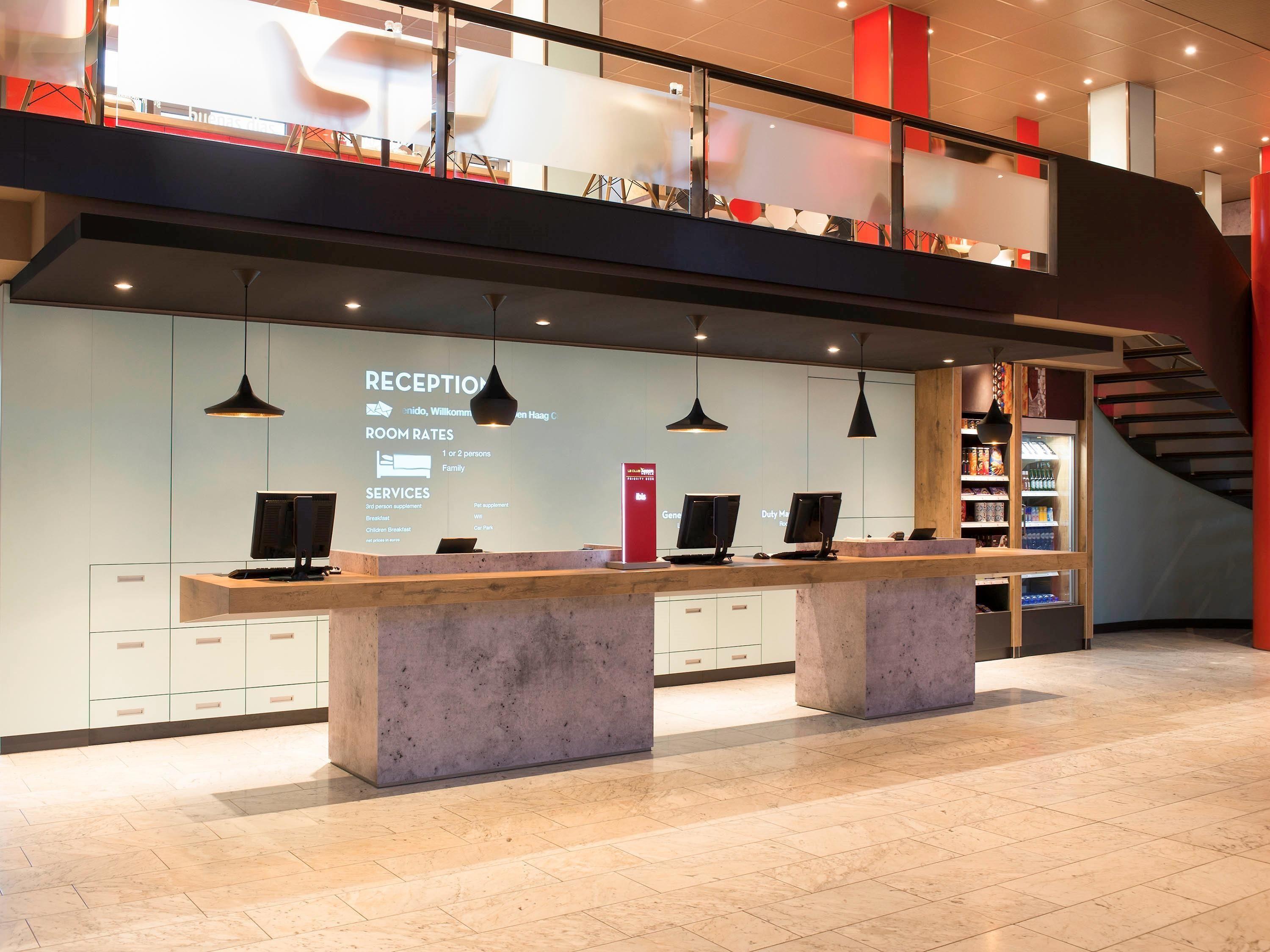
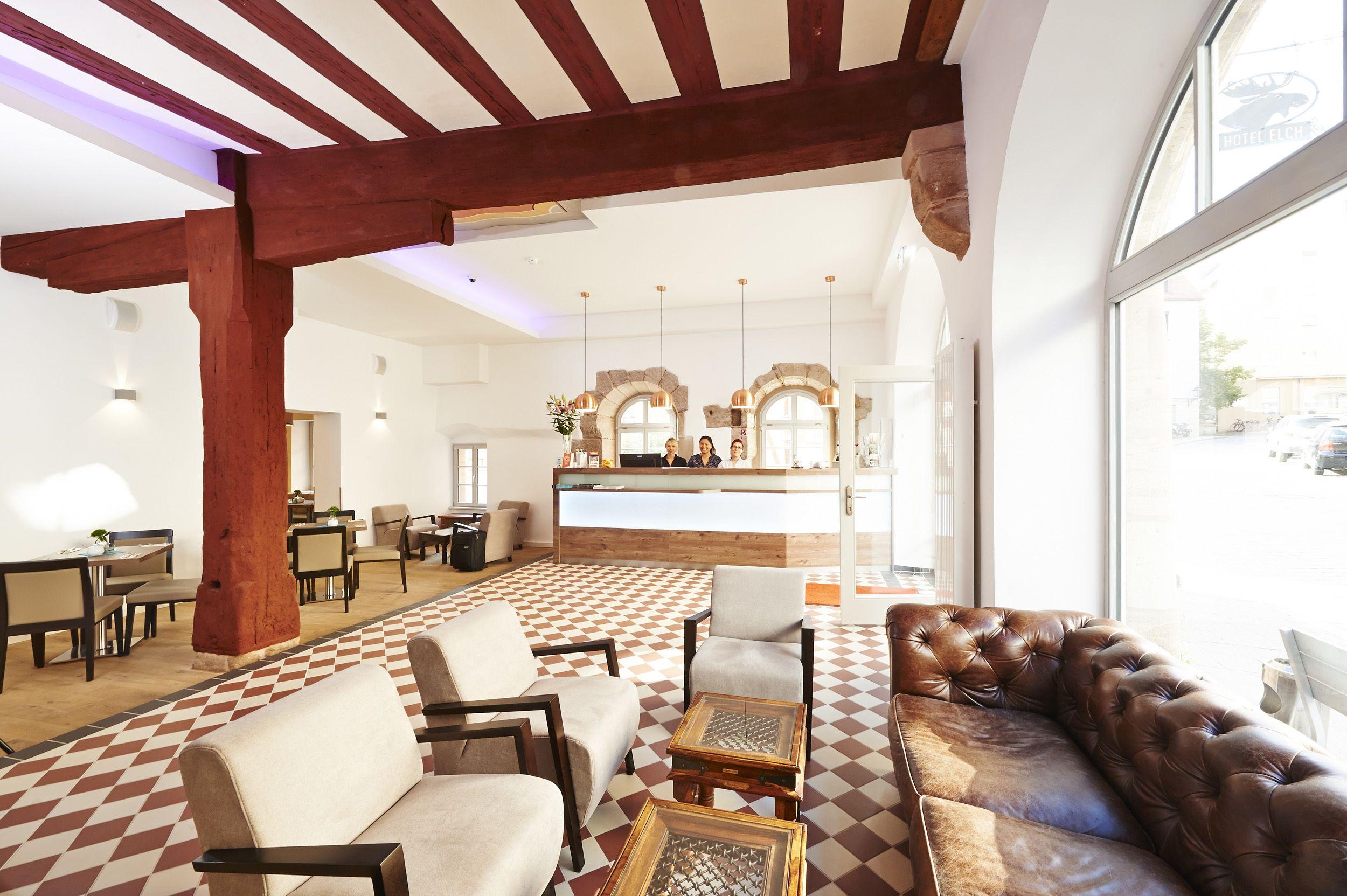
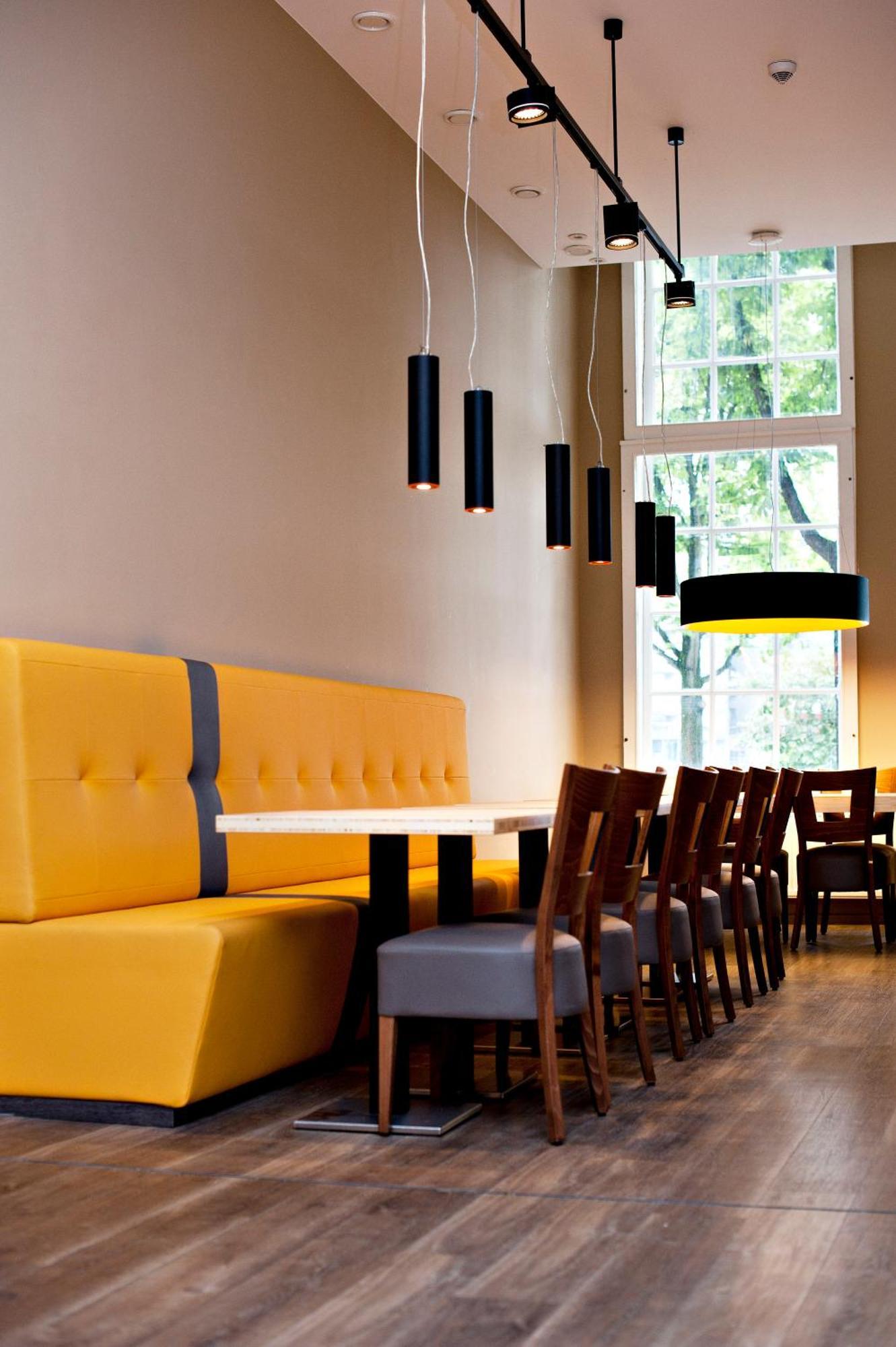
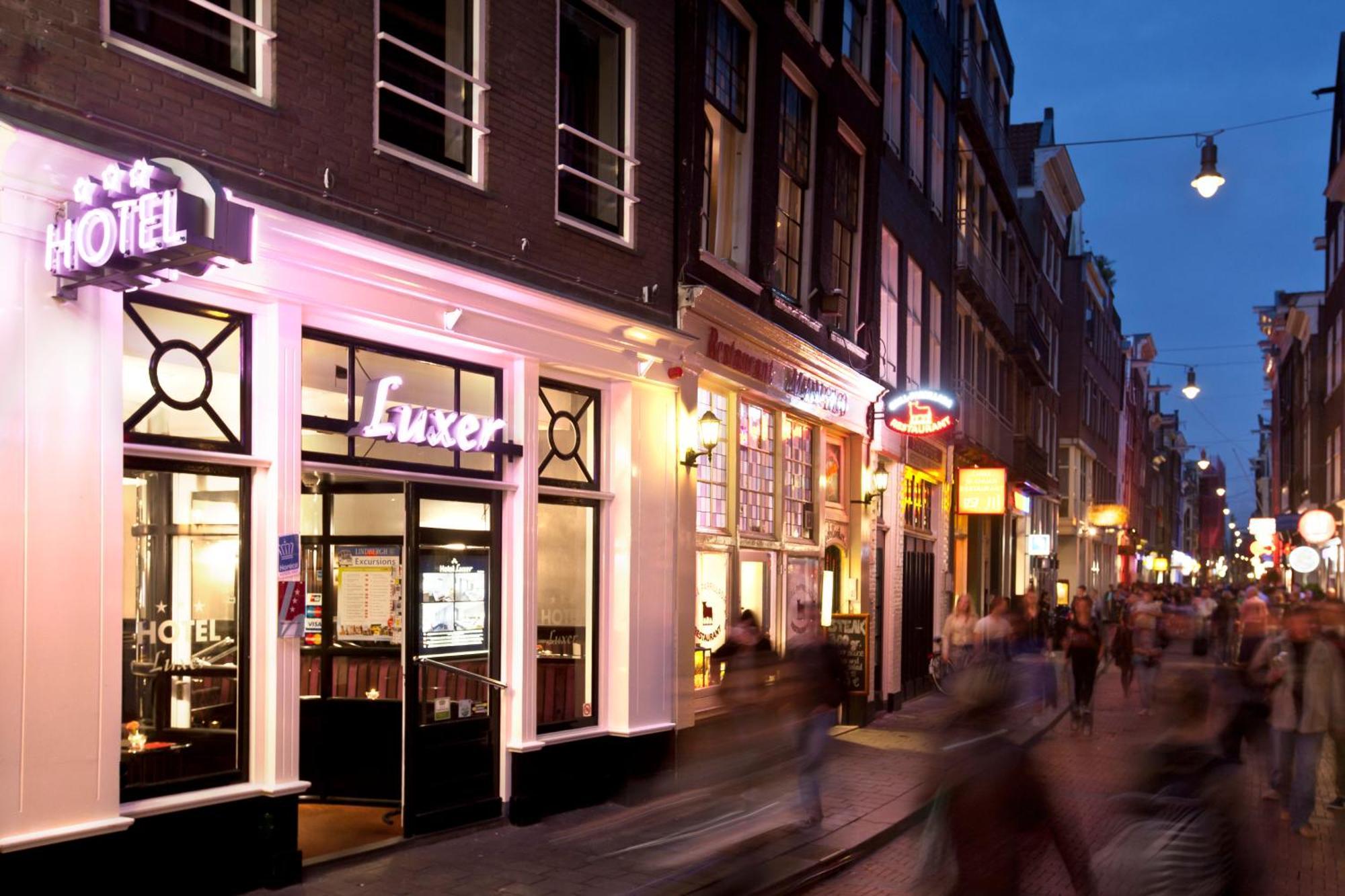
Amsterdam's city centre is home to some of Europe's most atmospheric stays - hotels built into 17th-century canal houses, monumental buildings steps from Dam Square, and fashion-forward properties occupying century-old merchant structures. This guide compares 15 historical hotels in Amsterdam, covering real locations, transport access, and what each property actually delivers beyond the heritage label.
What It's Like Staying in Amsterdam City Centre
Staying in Amsterdam's historic centre means waking up within walking distance of the city's most iconic canals, squares, and museums - but it also means navigating narrow streets, tourist crowds, and noise from trams and nightlife, particularly around Rembrandtplein and Leidseplein. Dam Square acts as the central axis, with most historical hotels clustered within a 10-minute walk, giving guests genuine walkability to the Rijksmuseum, Anne Frank House, and the Jordaan district. Schiphol Airport is around 20 km away, reachable by direct train from Amsterdam Centraal in roughly 15 minutes.
Pros:
- Most major landmarks are within a 15-minute walk from central hotels, eliminating the need for daily transport costs
- The Spui and Dam Square tram stops connect to Amsterdam RAI, the World Trade Centre, and Schiphol with no transfers
- Canal-side and monument-adjacent hotels provide an authentically Dutch atmosphere that outer districts cannot replicate
Cons:
- Noise from trams, cycling traffic, and street activity is constant near Dam Square and Rembrandtplein, especially on weekends
- Central Amsterdam hotels command a significant price premium over properties in Oud-West or De Pijp
- Parking is extremely limited and expensive - private parking at hotels is rare and must be booked in advance
Why Choose Historical Hotels in Amsterdam
Historical hotels in Amsterdam occupy an entirely different physical category from modern chain properties - many are built into 17th-century canal houses, former merchant warehouses, or monumental civic buildings, which means lower ceiling heights in some rooms but genuinely irreplaceable architectural character. Room sizes vary considerably even within the same property, as the original building footprints were not designed for uniform hotel layouts; always check specific room dimensions before booking. Prices for heritage properties in the centre typically run around 20% higher than comparable star-rated modern hotels in the same zone, but the location advantage - walking distance to Dam Square, the Nine Streets, and Centraal Station - partially offsets that premium.
Pros:
- Staying inside a centuries-old canal house or monumental building provides a sense of place that new-build hotels in Amsterdam cannot offer
- Many historical properties are positioned directly on or within 300 metres of the main tram and transport corridors
- Heritage hotels in the centre are concentrated near top cultural institutions, reducing daily travel time significantly
Cons:
- Older building structures mean elevators are often small or absent in lower-category properties, creating challenges with heavy luggage
- Soundproofing between rooms can be inconsistent in canal-house conversions despite double-glazed windows
- Premium heritage properties book out around 8 weeks in advance during tulip season and summer, requiring early planning
Practical Booking & Area Strategy for Amsterdam
The most strategically positioned historical hotels sit along the Singel Canal, Prinsengracht, and within the block between Dam Square and Spuistraat - this corridor gives direct tram access via the Spui stop (6 lines) while keeping you within a 5-minute walk of the Nine Streets shopping area, Kalverstraat, and the Jordaan. Hotels on or adjacent to Dam Square offer the shortest walking times to Centraal Station (around 10 minutes on foot) but face the highest ambient noise levels. For quieter stays without sacrificing centrality, properties along Prinsengracht near Leidseplein - such as those in the Jordaan fringe - offer canal views with meaningfully less street noise than Dam Square-facing rooms. Amsterdam's peak crowd periods are April through May (tulip season) and July through August, when booking 8 weeks ahead is essential for historical properties with limited room inventory. Key attractions within walking distance of central historical hotels include the Anne Frank House, Rijksmuseum, Van Gogh Museum, Royal Palace Amsterdam, and the Dutch National Opera and Ballet.
Best Value Historical Hotels in Amsterdam
These properties deliver genuine historical character and central positioning at price points that represent the more accessible end of Amsterdam's heritage hotel market - each within walking distance of Dam Square and key transport links.
-
1. Hotel The Exchange
Show on map


 Check-infrom 15:00 until 23:30Check-outuntil 11:00
Just a few rooms left at the best rate!
from€ 77
-
2. Avenue Hotel
Show on map


 Check-infrom 15:00 until 23:59Check-outuntil 11:00
Just a few rooms left at the best rate!
from€ 75
-
3. Linden Hotel
Show on map


 Check-infrom 15:00 until 23:59Check-outuntil 11:00
Rooms filling fast – secure the best rate!
from€ 62
-
4. Motel One Amsterdam-Waterlooplein
Show on map


 Check-infrom 15:00 until 23:59Check-outfrom 01:00 until 12:00
Hurry – almost gone at this price!
from€ 106
-
5. Nyx Hotel Amsterdam Rembrandt Square
Show on map


 Check-infrom 15:00 until 23:59Check-outuntil 12:00
Hurry – almost gone at this price!
from€ 120
-
6. Hotel Amsterdam De Roode Leeuw
Show on map


 Check-infrom 15:00 until 23:59Check-outfrom 07:00 until 11:00
Best price guarantee
from€ 105
Best Premium Historical Hotels in Amsterdam
These properties combine Amsterdam's historic architectural heritage with higher-end amenities, larger room footprints, and elevated dining - positioned for travellers who want the canal-house atmosphere without compromise on facilities or service.
-
7. Radisson Blu Hotel, Amsterdam City Center
Show on map


 Check-infrom 15:00 until 23:00Check-outfrom 04:00 until 11:00
Hurry – almost gone at this price!
from€ 190
-
2. Nh City Centre Amsterdam
Show on map


 Check-infrom 15:00 until 23:59Check-outuntil 12:00
Best price guarantee
from€ 206
-
9. Renaissance Amsterdam Hotel
Show on map


 Check-infrom 16:00 until 23:59Check-outfrom 07:00 until 12:00
Best price guarantee
from€ 303
-
4. Room Mate Aitana, Amsterdam
Show on map


 Check-infrom 15:00 until 23:59Check-outuntil 12:00
Just a few rooms left at the best rate!
from€ 190
-
5. Dikker & Thijs Hotel
Show on map


 Check-infrom 15:00 until 23:59Check-outuntil 11:00
Rooms filling fast – secure the best rate!
from€ 100
-
6. Pulitzer Amsterdam
Show on map


 Check-infrom 15:00 until 23:59Check-outuntil 12:00
Just a few rooms left at the best rate!
from€ 351
-
7. Hyatt Regency Amsterdam
Show on map


 Check-infrom 15:00 until 23:59Check-outuntil 12:00
Rooms filling fast – secure the best rate!
from€ 242
-
8. Swissotel Amsterdam
Show on map


 Check-infrom 15:00 until 23:59Check-outuntil 12:00
Hurry – almost gone at this price!
from€ 107
-
9. Intercontinental Amstel Amsterdam By Ihg
Show on map


 Check-infrom 15:00 until 23:59Check-outuntil 12:00
Best price guarantee
from€ 435
Smart Timing and Booking Advice for Amsterdam Historical Hotels
Amsterdam's peak demand window runs from April through August, with tulip season in April and May generating the sharpest price spikes - historical hotels with fewer than 50 rooms, such as Dikker & Thijs and Linden Hotel, sell out fastest during this period and should be booked at least 8 weeks in advance. July and August bring the highest overall visitor volumes across the city centre, with Dam Square-adjacent properties often running at full occupancy by mid-June for summer dates. September through November represents the most balanced window - crowds thin noticeably after the summer peak, canal-side hotels retain their atmospheric character, and prices across the centre drop by around 20% compared to summer highs. January and February are the quietest months for bookings, when last-minute availability opens even at premium properties like Pulitzer and Swissôtel, though some on-site restaurants reduce hours. A minimum stay of 3 nights allows guests to cover the canal ring, Jordaan, museum quarter, and Rembrandtplein without rushed logistics, which reflects the realistic pace of Amsterdam's walkable centre.