England is one of Europe's most layered destinations for sightseeing travellers - from medieval castles and UNESCO World Heritage Sites to market towns, coastal ruins, and motorsport venues. Whether you're planning a road trip through the Midlands, exploring the Jurassic Coast in Dorset, or visiting historic towns like Warwick and Bury St Edmunds, choosing the right base hotel directly affects how much you can cover each day. This guide breaks down 7 hotels across England, positioning each one against the attractions, transport links, and travel style that matter most to sightseers.
What It's Like Staying in England for Sightseeing
England rewards travellers who plan their base strategically. The country's sightseeing circuit stretches from the Jurassic Coast in the south to the market towns of the East Midlands and the industrial heritage of Shropshire - and the distances between them mean that your hotel's proximity to the motorway network matters as much as its proximity to a single attraction. The M25, M40, M1, and M54 are the backbone of England's sightseeing road network, and hotels positioned near these corridors let you reach multiple counties in a single day. Urban centres like Chelmsford, Telford, and Leamington Spa are not just convenient stopovers - they sit within around 45 minutes of some of England's most visited heritage sites, including Warwick Castle, Ironbridge Gorge, and Blenheim Palace.
Why Choose Sightseeing-Oriented Hotels in England
Hotels catering to sightseers in England are typically positioned along major road corridors or within driving distance of clusters of attractions, offering practical add-ons like free parking, early breakfast, and tourist information at reception - details that matter when you're covering ground daily. Free on-site parking is available at most of these properties, which is a significant saving given that city centre car parks in England can cost upwards of £10 per day. Unlike central city hotels, these properties trade some walkability for access breadth - you may not be steps from a high street, but you can reach 3 to 4 major attractions before dinner. The trade-off is that evenings in village or ring-road locations can be quiet, with fewer independent restaurant options.
Pros:
- Free parking at most properties eliminates a recurring daily cost for road-trip travellers
- Strategic motorway positioning allows multi-attraction days across different counties
- Early breakfast service supports full sightseeing days without rushing check-out
Cons:
- Limited walkable dining or nightlife in village or ring-road locations
- Upper-floor rooms in older coaching inns may have no lift access
- Midweek business guests at some properties mean restaurant capacity may be reduced at weekends
Practical Booking & Area Strategy for England Sightseers
England's sightseeing landscape is best approached in geographic clusters. The Midlands cluster - anchored by Warwick Castle, Stratford-upon-Avon, and Blenheim Palace - is accessible from hotels in Leamington Spa or Aylesbury. The Shropshire and Telford corridor gives access to Ironbridge Gorge World Heritage Site, Shrewsbury, and dozens of smaller heritage properties within a short drive. The Dorset coast and its Jurassic coastline require a dedicated base near Weymouth, as driving distances from the Midlands exceed two hours. For travellers combining historic town visits with day trips - such as visiting Bury St Edmunds, then heading to Cambridge or the Suffolk coast - a centrally located East Anglian base reduces daily mileage significantly. Book at least 6 weeks ahead for bank holiday weekends, when rooms near Warwick, Stratford, and the Cotswolds sell out fastest. Essex and Chelmsford remain underbooked relative to their access to London and the Thames Estuary, making County Hotel an efficient choice for travellers targeting both directions.
Best Value Sightseeing Stays
These hotels deliver strong access to England's key sightseeing corridors with free parking, solid breakfast options, and practical room standards - making them efficient bases for travellers prioritising coverage over luxury.
-
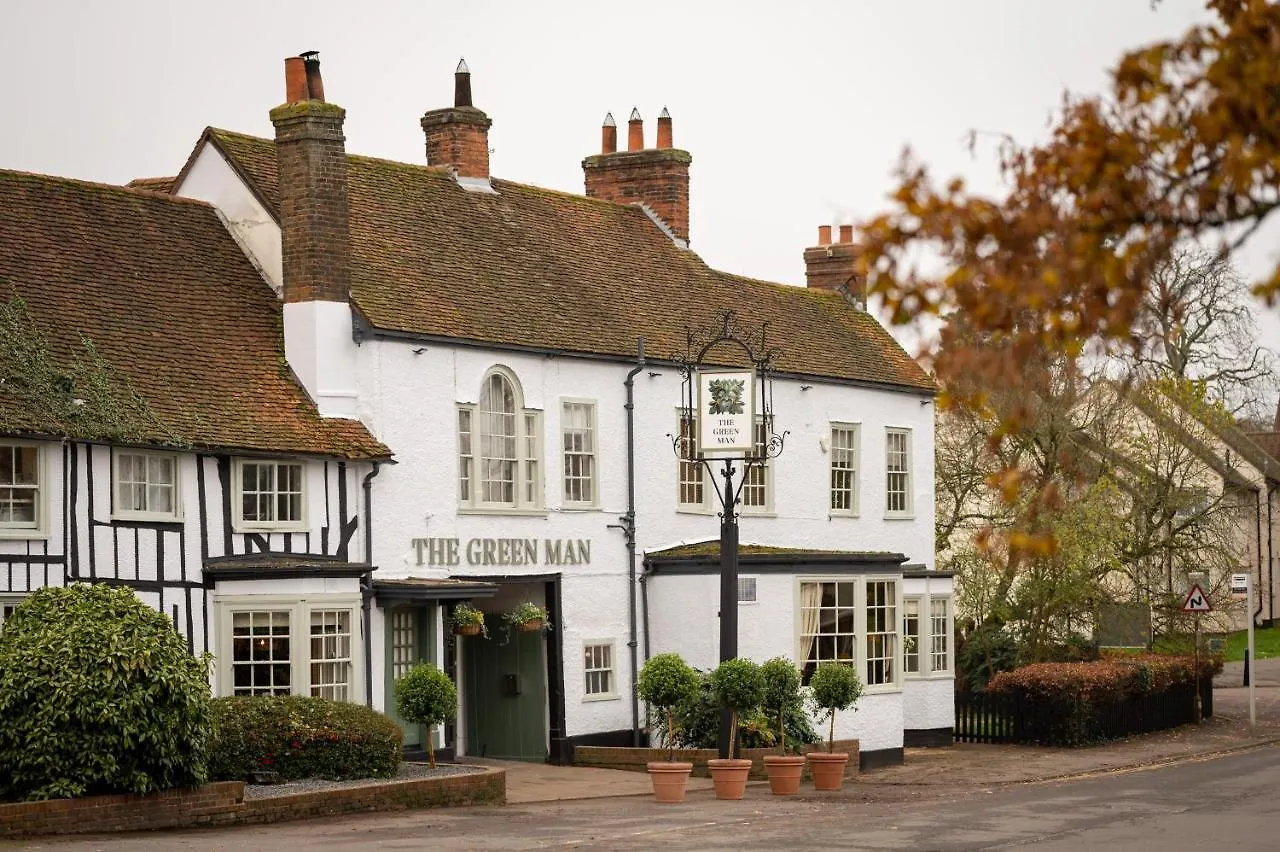
1. Green Man By Chef & Brewer Collection
Show on map


 Check-infrom 14:00 until 22:00Check-outuntil 11:00
Just a few rooms left at the best rate!
from£ 49
-
2. The Old Castle
Show on map


 Check-infrom 14:00 until 19:00Check-outuntil 10:00
Just a few rooms left at the best rate!
from£ 98
-
3. International Hotel Telford
Show on map


 Check-infrom 14:00 until 23:59Check-outfrom 06:00 until 11:00
Just a few rooms left at the best rate!
from£ 45
-
4. County Hotel
Show on map


 Check-infrom 15:00 until 23:59Check-outuntil 11:00
Hurry – almost gone at this price!
from£ 102
Best Premium Sightseeing Stays
These properties offer broader leisure facilities, stronger motorway access to multiple major English heritage sites, and room standards suited to travellers combining sightseeing with comfort - including pools, fitness centres, and full-service restaurants.
-
5. Holiday Inn Leamington Spa - Warwick By Ihg
Show on map


 Check-infrom 14:00 until 23:59Check-outuntil 12:00
Hurry – almost gone at this price!
from£ 49
-
2. Holiday Inn Aylesbury By Ihg
Show on map


 Check-infrom 14:00 until 23:59Check-outuntil 12:00
Rooms filling fast – secure the best rate!
from£ 65
-
3. Angel Hotel
Show on map


 Check-infrom 15:00 until 23:59Check-outuntil 11:00
Rooms filling fast – secure the best rate!
from£ 109
Smart Travel & Timing Advice for England Sightseers
England's sightseeing season peaks between late May and early September, when school holidays, bank holidays, and international tourism converge at the country's most popular heritage sites. Warwick Castle, Blenheim Palace, and Stratford-upon-Avon see their highest visitor numbers in July and August, with accommodation prices near these attractions rising by around 35% compared to October. The Jurassic Coast around Weymouth and Dorset peaks in August - booking the Old Castle Hotel or similar Weymouth properties at least 8 weeks in advance is advisable for summer visits. For Ironbridge Gorge and Shropshire, late September and October offer cooler temperatures, smaller crowds, and easier road access without summer holiday traffic. Midweek arrivals consistently yield lower rates across all hotel types in this guide, particularly at Holiday Inn and IHG-branded properties. Chelmsford and the Essex corridor are less seasonally volatile - the County Hotel remains accessible year-round with fewer pricing spikes. Aim for a minimum of 2 nights per regional cluster to avoid spending most of your day driving rather than sightseeing.