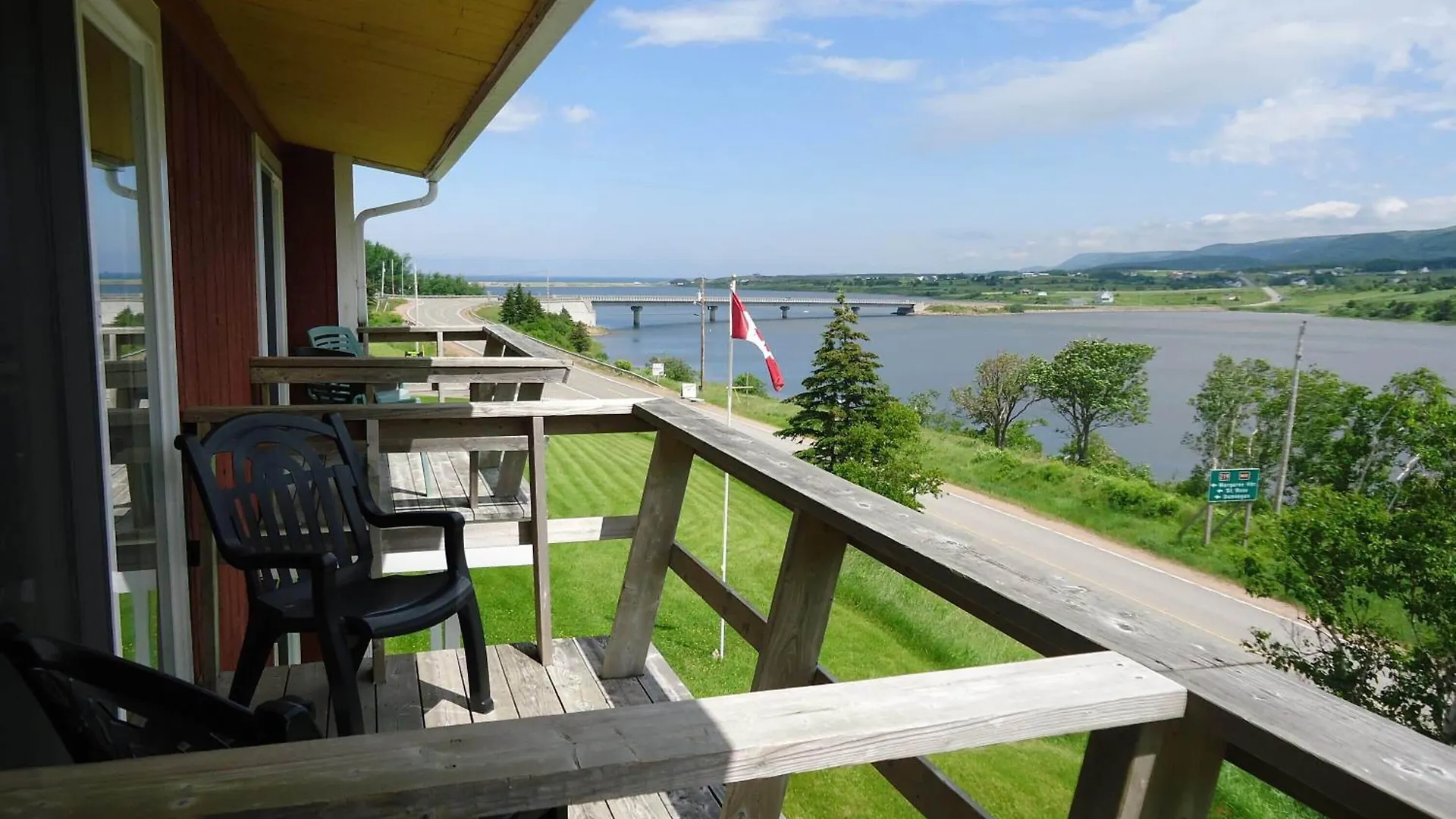
Cape Breton Island draws travelers for the Cabot Trail, the Fortress of Louisbourg, and some of the most dramatic coastal scenery in Atlantic Canada. Choosing a centrally located hotel here means positioning yourself within reach of the island's key corridors - whether that's the Margaree Valley, the lakeside town of Baddeck, the historic port of Louisbourg, or the quieter inland routes through Whycocomagh. This guide breaks down 4 hotels that place you at the heart of Cape Breton's most visited zones, so you spend less time driving and more time exploring.
What It's Like Staying in Cape Breton
Cape Breton is defined by its geography: a rugged island connected to mainland Nova Scotia by the Canso Causeway, where the Cabot Trail alone draws around 500,000 visitors annually. A car is non-negotiable here - there is no intercity transit network, and distances between key attractions can span 60 km or more. Accommodations cluster around Baddeck (the geographic and logistical hub), the Cabot Trail corridor, and the southeastern heritage zone near Louisbourg. Crowds peak sharply in July and August, especially along the Cabot Trail, where shoulder season offers dramatically quieter conditions and equivalent scenery.
Travelers who self-drive and plan multi-day itineraries get the most from a Cape Breton base. Those expecting urban amenities or public transport connections will find the island's rural rhythm a significant adjustment.
Pros:
- Unmatched access to the Cabot Trail, Cape Breton Highlands National Park, and coastal whale-watching routes
- Accommodations in key hubs like Baddeck place you within an hour of the island's top natural and cultural sites
- Lower accommodation costs compared to major Canadian cities, with most central hotels offering free parking
Cons:
- No public transport - every excursion requires a rental car or pre-arranged tour
- Limited dining and services outside of Baddeck and Sydney, especially in smaller inland villages
- Peak-season availability is tight; last-minute bookings in July and August frequently result in limited or overpriced options
Why Choose a Central Hotel in Cape Breton
Central hotels in Cape Breton are not urban-center properties in the conventional sense - they are strategically positioned along key travel corridors that reduce daily driving time and provide anchored access to the island's main attractions. A centrally located stay in Baddeck, for example, puts you within 90 minutes of both the northern Cabot Trail headlands and the Fortress of Louisbourg. Most central properties here include free parking, which is a practical default given the island's car-dependent layout, and many offer on-site breakfast or kitchen facilities that offset the limited dining options in rural areas. Compared to remote coastal lodges, central hotels typically trade dramatic water-facing views for better access to services, fuel stops, and route connectivity.
These properties are best suited to travelers who prioritize flexibility and coverage over isolation. Room sizes tend to be more generous than city-center hotels, and nightly rates at most Cape Breton central properties remain accessible, particularly outside peak summer weeks.
Pros:
- Positioned along major travel routes, reducing daily driving time to key sites like the Cabot Trail and Louisbourg
- Free parking is standard across most central properties, a significant practical benefit given car-dependency
- On-site facilities such as restaurants, kitchens, and breakfast options compensate for limited rural dining
Cons:
- Fewer dramatic oceanfront or clifftop views compared to remote coastal lodges
- Some properties in smaller villages like Whycocomagh offer minimal walkable services beyond the immediate property
- Central positioning along the Cabot Trail corridor can mean road noise during peak travel months
Practical Booking & Area Strategy
Baddeck is the most strategically central town on Cape Breton Island - sitting on the shores of Bras d'Or Lake, it serves as the primary gateway to the Cabot Trail and is around 89 km from Sydney (Nova Scotia) Airport, the island's main air entry point. For travelers focused on the Cabot Trail, properties in the Margaree Valley or Whycocomagh trim driving time to the trail's western entrance. The Fortress of Louisbourg, a major UNESCO-recognized heritage site, is best accessed from the southeastern corridor near Louisbourg town, which is roughly 42 km from Sydney Airport. Whale-watching tours - available from May through October - depart from operators near the Margaree Harbour and Pleasant Bay areas, making valley-based accommodations particularly useful for those itineraries. Book at least 8 weeks in advance for July and August stays, as properties along the Cabot Trail corridor and in Baddeck fill quickly during the peak foliage and summer seasons.
Best Value Stays
These properties offer strong location logic and practical facilities at accessible price points, making them well-suited to travelers covering multiple Cape Breton zones on a structured itinerary.
-
1. Duck Cove Inn
Show on map


 Check-infrom 15:00 until 20:00Check-outuntil 10:00
Just a few rooms left at the best rate!
fromC$ 151
-
2. Fair Isle Motel & The Nest
Show on map


 Check-infrom 16:00 until 21:00Check-outfrom 09:00 until 11:00
Just a few rooms left at the best rate!
fromC$ 140
-
3. Ceilidh Country Lodge
Show on map


 Check-infrom 15:00 until 22:00Check-outfrom 07:00 until 11:00
Hurry – almost gone at this price!
fromC$ 131
Best Premium Stay
For travelers seeking a higher-rated property with structured breakfast service and heritage-zone positioning, this option provides a distinct experience in Cape Breton's southeastern corridor.
-
4. Louisbourg Harbour Inn
Show on map


 Check-infrom 14:00 until 20:30Check-outuntil 10:00
Rooms filling fast – secure the best rate!
fromC$ 196
Smart Travel & Timing Advice for Cape Breton
The peak travel window for Cape Breton runs from late June through mid-October, with July and August delivering the warmest temperatures but also the highest accommodation rates and the busiest Cabot Trail conditions. Fall foliage - typically peaking in early to mid-October - rivals summer in visual impact but draws significantly lighter crowds, making it the most efficient season for comfortable trail driving and better room availability. October often offers price reductions of around 25% compared to August peak rates at similar properties. Most visitors spend a minimum of 3 nights to cover the Cabot Trail loop meaningfully alongside at least one major site like the Fortress of Louisbourg or the Alexander Graham Bell Museum in Baddeck. Book Baddeck and Cabot Trail corridor properties early - by April or May for summer travel - as the island's limited central inventory fills well ahead of other Atlantic Canadian destinations. Shoulder season arrivals in May or late September benefit from open attractions, manageable trail traffic, and more responsive last-minute availability from smaller inns and lodges.