London's West End concentrates more theatre, nightlife, galleries, and transport connections per square mile than almost anywhere else in the UK. These 6 central hotels sit within walking distance of Leicester Square, Piccadilly Circus, Trafalgar Square, and the major Underground interchanges - making them relevant for visitors who want to move around the city without relying on taxis or lengthy tube journeys. This guide breaks down what each property actually offers, how they compare by price tier, and which micro-locations give you the best access to the city's core.
What It's Like Staying in Central London's West End
Staying in London's West End means stepping out of your hotel directly into one of the city's busiest pedestrian corridors. Leicester Square and Piccadilly Circus are active until well past midnight, with theatre crowds, restaurant queues, and nightlife spilling onto the streets from early evening. Most properties in this zone sit within a 10-minute walk of at least three Underground stations, which means you rarely need more than 30 minutes to reach any major London neighbourhood.
The trade-off is density. Streets around Soho, Carnaby Street, and Covent Garden carry heavy foot traffic from mid-morning onwards, and noise levels on main roads remain elevated through the night. Travellers who prioritise quick access to cultural landmarks, West End shows, and central dining will find this location hard to beat - those wanting quiet residential atmosphere or green space should consider Kensington or Marylebone instead.
Pros:
- Walking distance to over 40 West End theatres, the National Portrait Gallery, and Trafalgar Square
- Direct Underground access to Heathrow, London Bridge, and Canary Wharf without changing lines at Piccadilly Circus station
- Restaurant density means you can find late-night dining at almost any price point within a 5-minute walk
Cons:
- Street noise on main roads such as Shaftesbury Avenue and Piccadilly remains significant until 2-3am on weekends
- Hotel rates in this zone run around 40% higher than equivalent properties in outer zones like Brixton or Bethnal Green
- Pavements around Leicester Square and Covent Garden are heavily congested on Friday and Saturday evenings, making short walks slower than expected
Why Choose Central Hotels in the West End
Central West End hotels cover a wide spectrum - from compact, design-led rooms aimed at guests who spend most of their time outside, to full-service luxury properties with spas, pools, and fine dining on-site. Room sizes vary considerably: budget and mid-range properties in this zone frequently offer rooms under 18 square metres, while 5-star addresses deliver suites and larger doubles with bespoke furnishings. The pricing differential between tiers is steep - a well-positioned mid-range double can run around £180-220 per night, while luxury properties in the same postcode start above £400.
The core advantage of this category over staying in outer London is time saved. Cutting a 45-minute Tube commute from a peripheral neighbourhood is a meaningful gain over a 3-5 night stay. The practical scenario that justifies the premium is straightforward: theatre evenings, back-to-back sightseeing days, and early morning flights from nearby Heathrow via Piccadilly line all become logistically simpler.
Pros:
- Properties within 300 metres of Piccadilly Circus, Leicester Square, or Charing Cross deliver genuine walking access to the majority of central London landmarks
- Higher-tier hotels in this zone include amenities - pools, spas, concierge - that are rare in outer London at the same price point
- Multi-lingual front desks and 24-hour room service are standard at 4-star and above properties here
Cons:
- Compact rooms are common across mid-range options - under-bed storage and wall-mounted hanging rails replace wardrobes in several properties
- Parking is expensive and difficult; self-drive visitors will find NCP charges add significantly to the total stay cost
- Breakfast is frequently priced separately and can add around £20 per person per day at 4-star properties unless booked as a package
Practical Booking & Area Strategy for Central London
The strongest micro-locations in this zone are streets running just off the main thoroughfares. Suffolk Street and Orange Street near Trafalgar Square offer quieter sleep without sacrificing proximity - both sit within a 5-minute walk of Charing Cross station and the National Portrait Gallery. Wardour Street and Broadwick Street in Soho place guests at the centre of the restaurant and bar scene but come with noticeably more night noise. For theatre-focused visits, the streets immediately behind the Haymarket - including Carlton Street and Charles II Street - keep you within a 2-minute walk of the major playhouses.
Transport-wise, Piccadilly Circus Underground station is the most versatile interchange in this area, connecting the Piccadilly line directly to Heathrow (around 50 minutes) and the Bakerloo line south through Waterloo and beyond. Book at least 6 weeks ahead for weekend stays between May and September, when West End hotel occupancy consistently runs above 90%. Things to do within direct walking distance include the National Gallery, Covent Garden Market, Somerset House, Chinatown, and the South Bank via Waterloo Bridge - all reachable without touching the Underground.
Best Value Central London Stays
These properties deliver strong central positioning at a more accessible price point, with compact but well-equipped rooms designed for guests focused on location over in-hotel facilities.
-
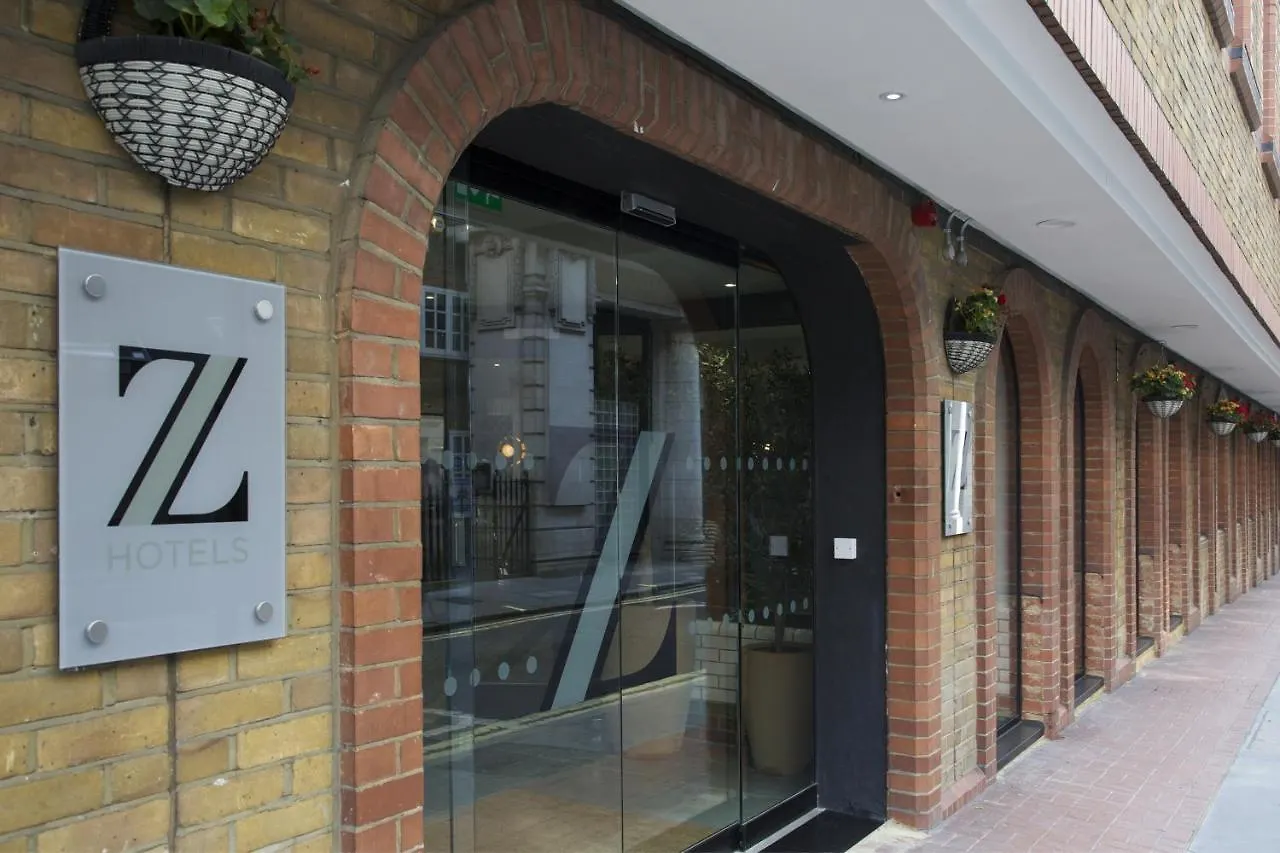
1. The Z Hotel Piccadilly
Show on map


 Check-infrom 15:00 until 23:59Check-outfrom 04:00 until 11:00
Just a few rooms left at the best rate!
from£ 201
-
2. Zedwell Hotel Piccadilly Circus
Show on map


 Check-infrom 15:00 until 23:30Check-outfrom 02:00 until 10:00
Just a few rooms left at the best rate!
from£ 121
-
3. Thistle Trafalgar - Leicester Square
Show on map


 Check-infrom 15:00 until 23:59Check-outuntil 11:00
Hurry – almost gone at this price!
from£ 135
Best Premium Central London Stays
These properties move beyond location convenience into genuine luxury delivery - full-service amenities, distinctive design, and 5-star facilities that justify the higher rate for guests who want the hotel itself to be part of the experience.
-
4. Haymarket Hotel, Firmdale Hotels
Show on map


 Check-infrom 15:00 until 23:59Check-outuntil 12:00
Hurry – almost gone at this price!
from£ 486
-
5. Broadwick Soho
Show on map


 Check-infrom 15:00 until 23:59Check-outuntil 12:00
Rooms filling fast – secure the best rate!
from£ 2687
-
6. The Cavendish London
Show on map


 Check-infrom 15:00 until 23:30Check-outfrom 06:00 until 12:00
Rooms filling fast – secure the best rate!
from£ 186
Smart Travel & Timing Advice for Central London Hotels
The West End operates on a clear seasonal pattern. May through September is peak occupancy, driven by summer tourism, outdoor events, and the full theatre season - rates during this window run significantly above the annual average, and availability at well-positioned properties tightens quickly. October and early November offer a practical window: theatre season continues, crowds thin slightly from the summer peak, and hotel rates begin to ease before the Christmas rush returns in December.
January and February are the quietest months in this zone, when post-Christmas demand drops sharply and last-minute availability becomes realistic even at 4-star properties. For stays during the Edinburgh Fringe in August or major West End openings, book at least 8 weeks in advance - these events consistently create demand spikes across all central London hotel categories. A 3-night stay is the minimum that makes the central London premium worthwhile; shorter stays often don't justify the rate differential over a well-connected outer zone hotel.