East End London has two Point A Hotels positioned at opposite ends of its urban spectrum - one anchored in the financial glass towers of Canary Wharf, and one steps from Brick Lane's street-food culture near Liverpool Street. Both deliver the brand's compact, no-frills efficiency, but they serve noticeably different types of trips. This guide breaks down the district dynamics, micro-location trade-offs, and booking strategy to help you pick the right one.
What It's Like Staying In East End
Staying in East End means you are positioned in one of London's most culturally layered and transport-connected zones - but the experience varies sharply depending on which pocket you land in. Canary Wharf operates like a self-contained city with 24-hour DLR and Jubilee line access, while the Shoreditch and Liverpool Street corridor buzzes with foot traffic from early morning until late at night. Neither sub-area feels like central London tourist territory, which keeps crowds manageable outside of rush hour - but also means the weekend atmosphere can be very different from the Monday-to-Friday energy. The DLR connects you to central London in under 20 minutes, making East End a practical base for those who need Tube Zone 1 access without Zone 1 prices.
Pros:
- * Multiple transport layers - DLR, Jubilee line, Elizabeth line, and Overground - reduce dependency on any single route
- * Brick Lane, Spitalfields Market, and the Museum of London Docklands are all within walking range depending on which hotel you pick
- * Budget hotels here cost noticeably less than equivalent options in Southwark or the City
Cons:
- * Canary Wharf goes quiet on weekends - restaurants and bars reduce hours significantly
- * The area east of Liverpool Street can feel busy and noisy during morning and evening rush hour on weekdays
- * Walking between Canary Wharf and Shoreditch attractions is not realistic - you will need a DLR or Tube hop
Why Choose Point A Hotels In East End
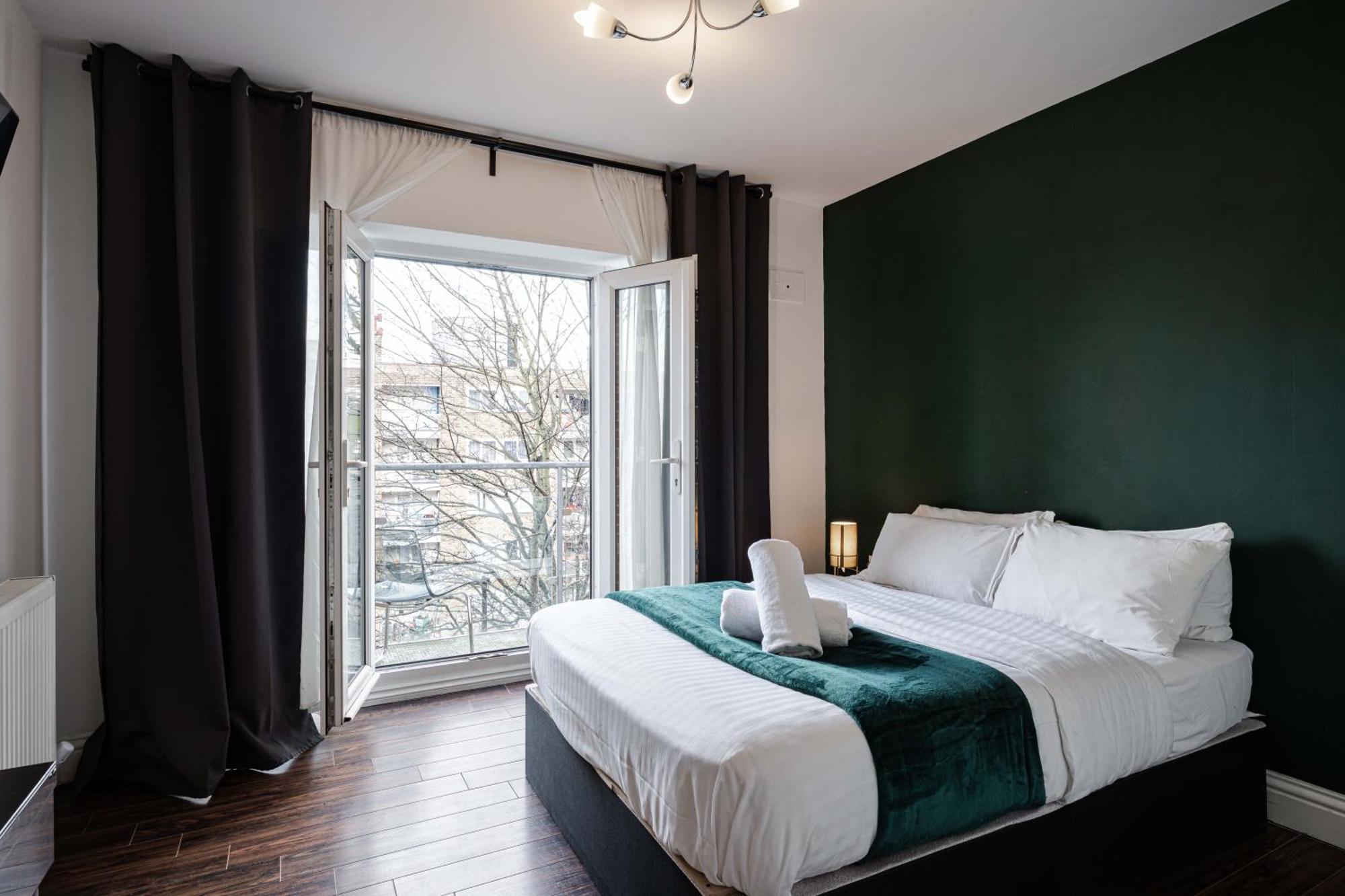
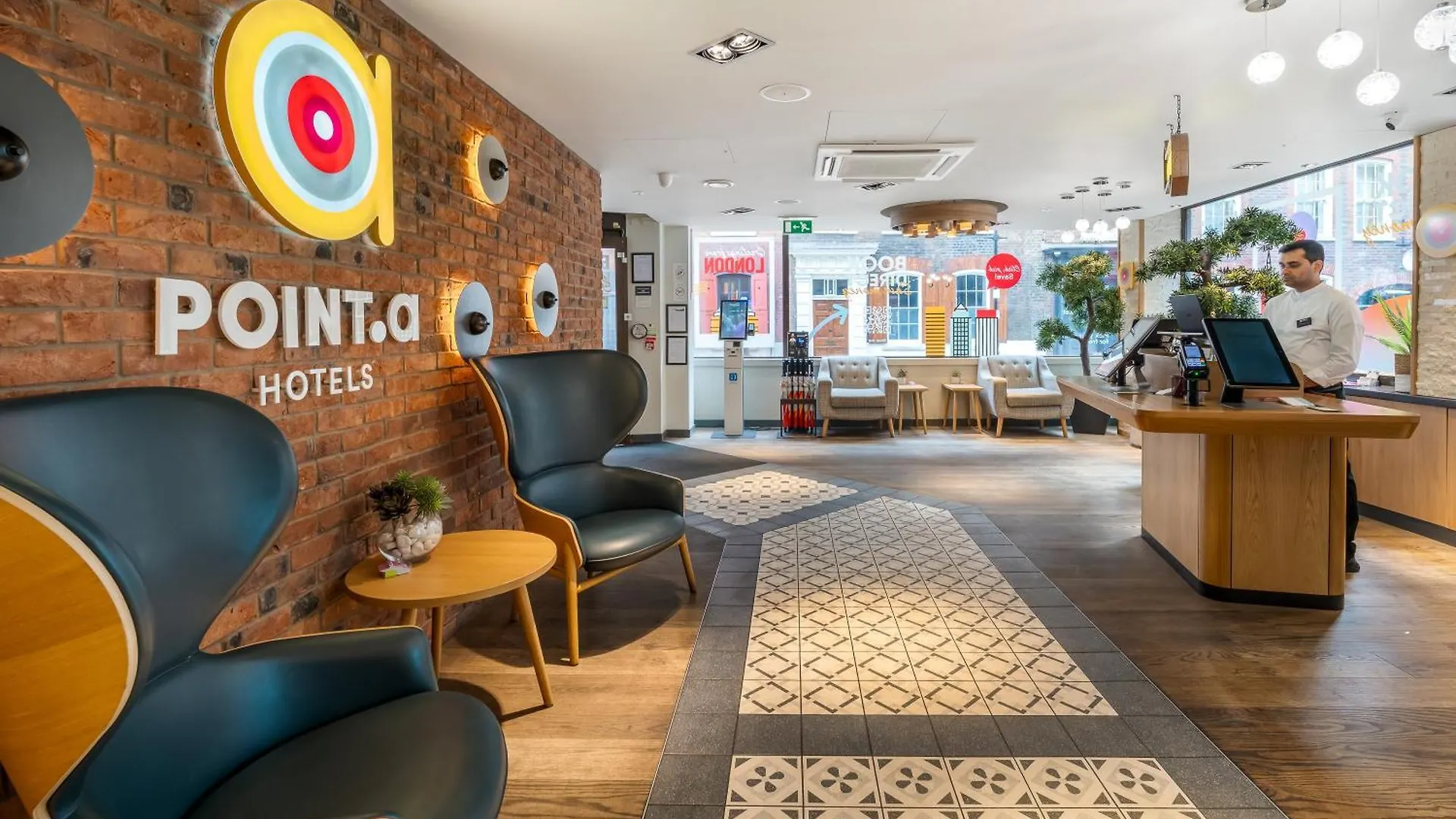
Point A Hotels operate on a clear value proposition: thoughtfully compressed rooms, fast free WiFi, and a no-fuss check-in experience that works for both business overnighters and weekend visitors who are rarely in the room. In East End specifically, the brand fills a gap between expensive business hotels clustered around Canary Wharf's financial centre and basic hostels further east. Rooms are compact by design - typically smaller than the London hotel average - but the power showers, blackout curtains, USB charging, and air conditioning remove the friction points that make budget stays frustrating. The trade-off compared to mid-range competitors is the absence of on-site restaurant dining and limited communal space, but both Point A East End locations are within around 5 minutes' walk of supermarkets, café chains, and independent food options that make this a non-issue for most guests.
Pros:
- * Free high-speed WiFi and 24-hour front desk included without upsell
- * Accessible rooms with full wheelchair provisions at both properties
- * Laptop safe and USB charging points cater directly to business and solo travellers
Cons:
- * No on-site restaurant or bar - food and drink is entirely self-sourced
- * Room sizes are among the smallest in the East End hotel market, which can feel limiting for multi-night stays with luggage
- * Some room categories have no window, which matters for guests sensitive to natural light
Practical Booking & Area Strategy
For the Liverpool Street location, rooms facing away from Commercial Street reduce street noise significantly - worth requesting at booking. The hotel sits less than 400 metres from Brick Lane, meaning Spitalfields Market, Shoreditch High Street, and Aldgate East Tube station are all reachable on foot. Tower of London is around 1.4 km away, making it a realistic walking option on a dry day. For Canary Wharf, the hotel's position near West India Quay DLR station - 300 metres away - is the real operational advantage: you can reach Bank station in under 15 minutes without touching the Jubilee line congestion during peak hours. Book at least 6 weeks ahead for summer dates (June-August) and during the week of major financial events at ExCeL London, when Canary Wharf accommodation fills quickly. Both properties are on safe, well-lit streets with 24-hour foot traffic near the entrances, making late-night arrivals straightforward.
Recommended Point A Hotels In East End
Both properties share the same brand DNA but serve different East End micro-locations. Here is how they compare in practice.
-
1. Point A London Liverpool Street
Show on map


 Check-infrom 15:00 until 23:59Check-outuntil 11:00
Just a few rooms left at the best rate!
from£ 24
-
2. Point A Hotel London Canary Wharf
Show on map


 Check-infrom 15:00 until 23:59Check-outuntil 11:00
Hurry – almost gone at this price!
from£ 76
Smart Travel & Timing Advice
July and August are peak weeks across East End, with hotel rates rising around 40% compared to November levels - book either Point A property at least 6 weeks in advance for summer travel. The Liverpool Street location also fills quickly during major tech and creative industry events in Shoreditch, which have no fixed calendar date, so monitor the area's event schedule before assuming availability. January and February offer the lowest rates and smallest crowds, with the added advantage of immediate room availability even on short notice. For business travellers targeting ExCeL London or Canary Wharf meetings, Tuesday-Thursday nights see the highest occupancy at the Canary Wharf property - book by Monday morning at the latest if arriving mid-week. A two-night stay is the practical minimum for either location: one night is rarely enough to use the transport connections effectively and cover the main walkable attractions in each sub-district.