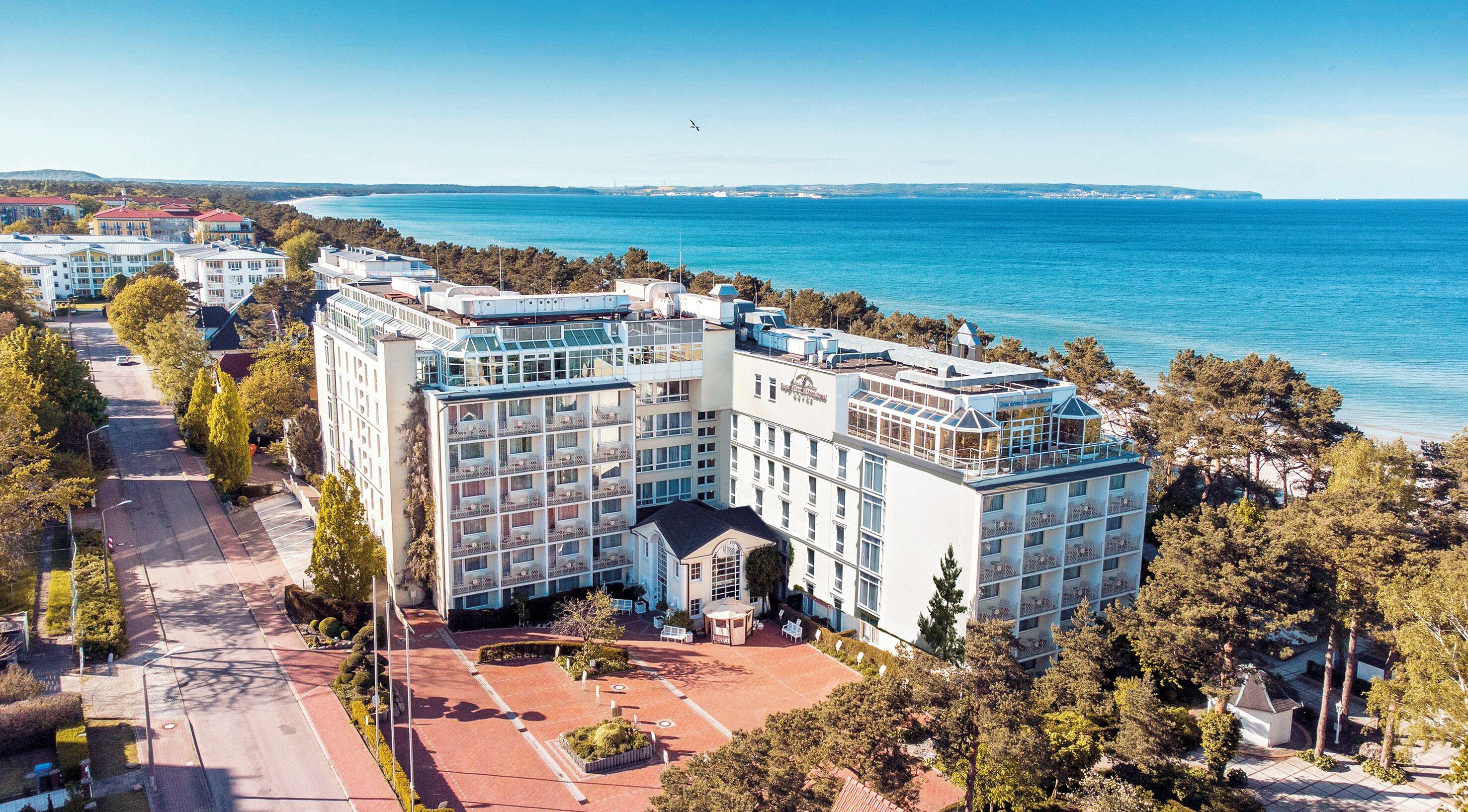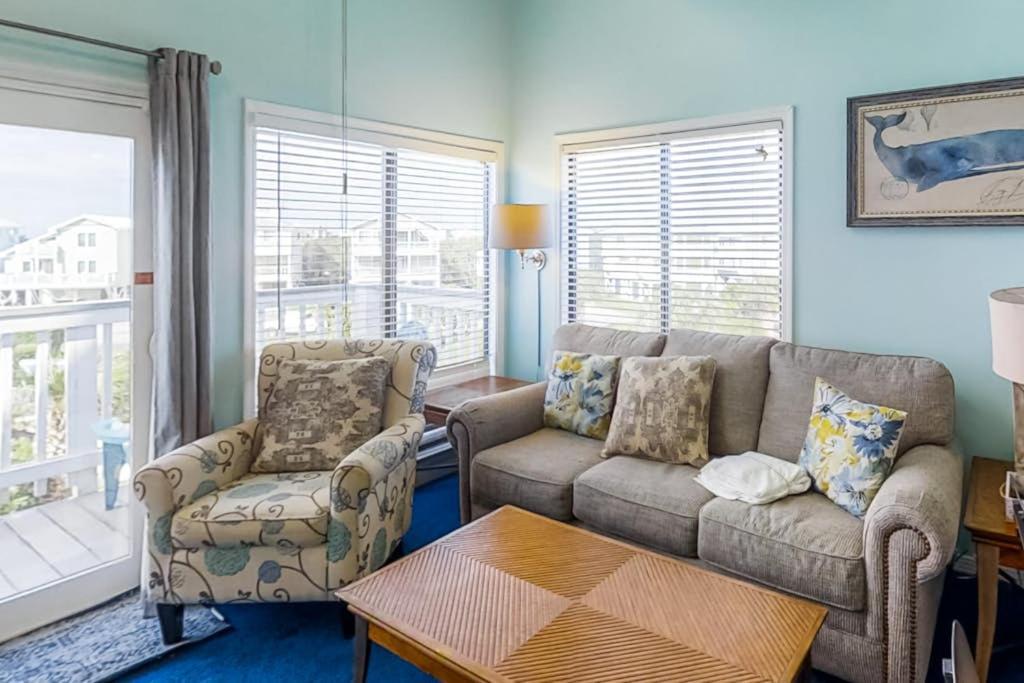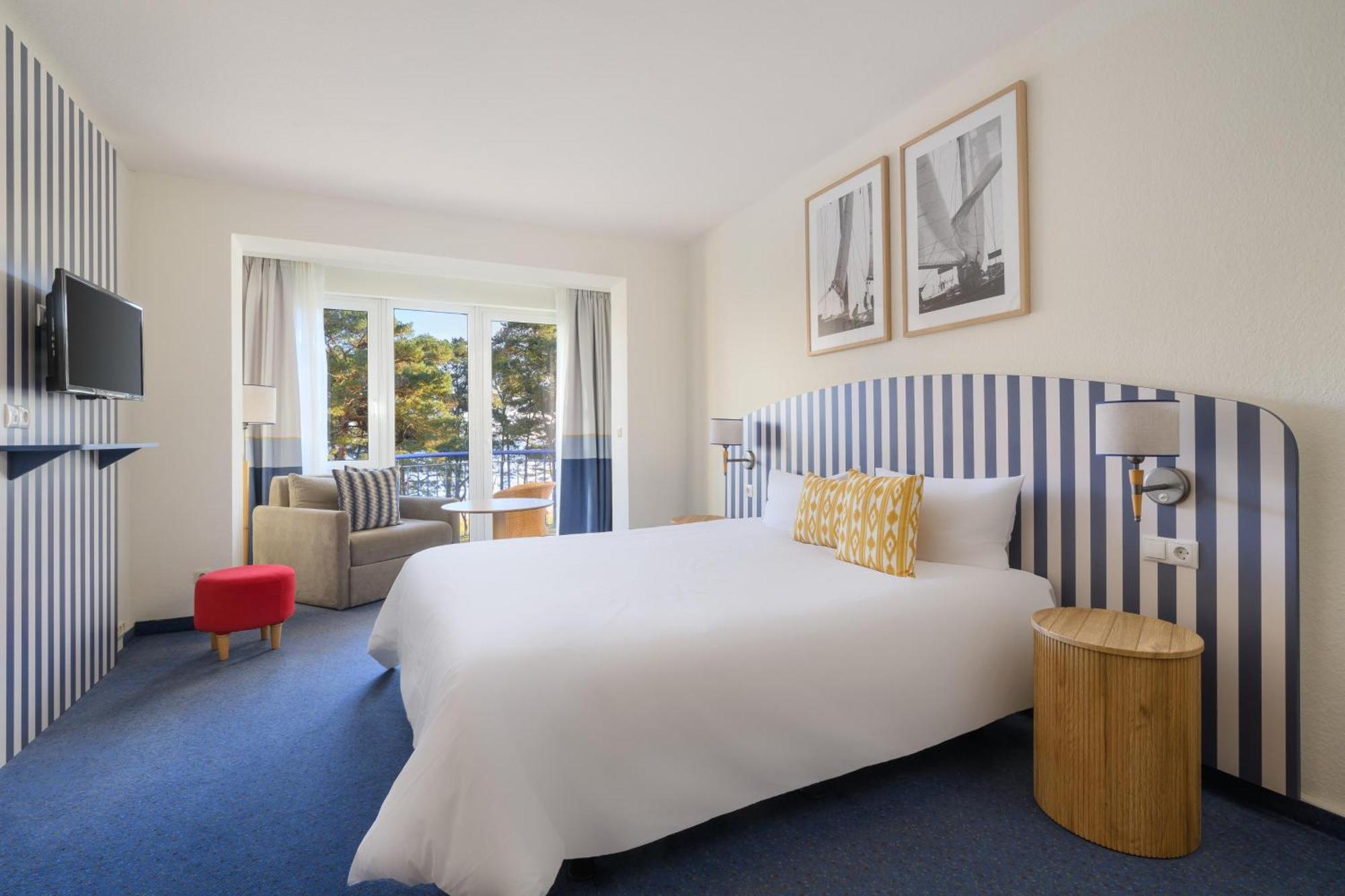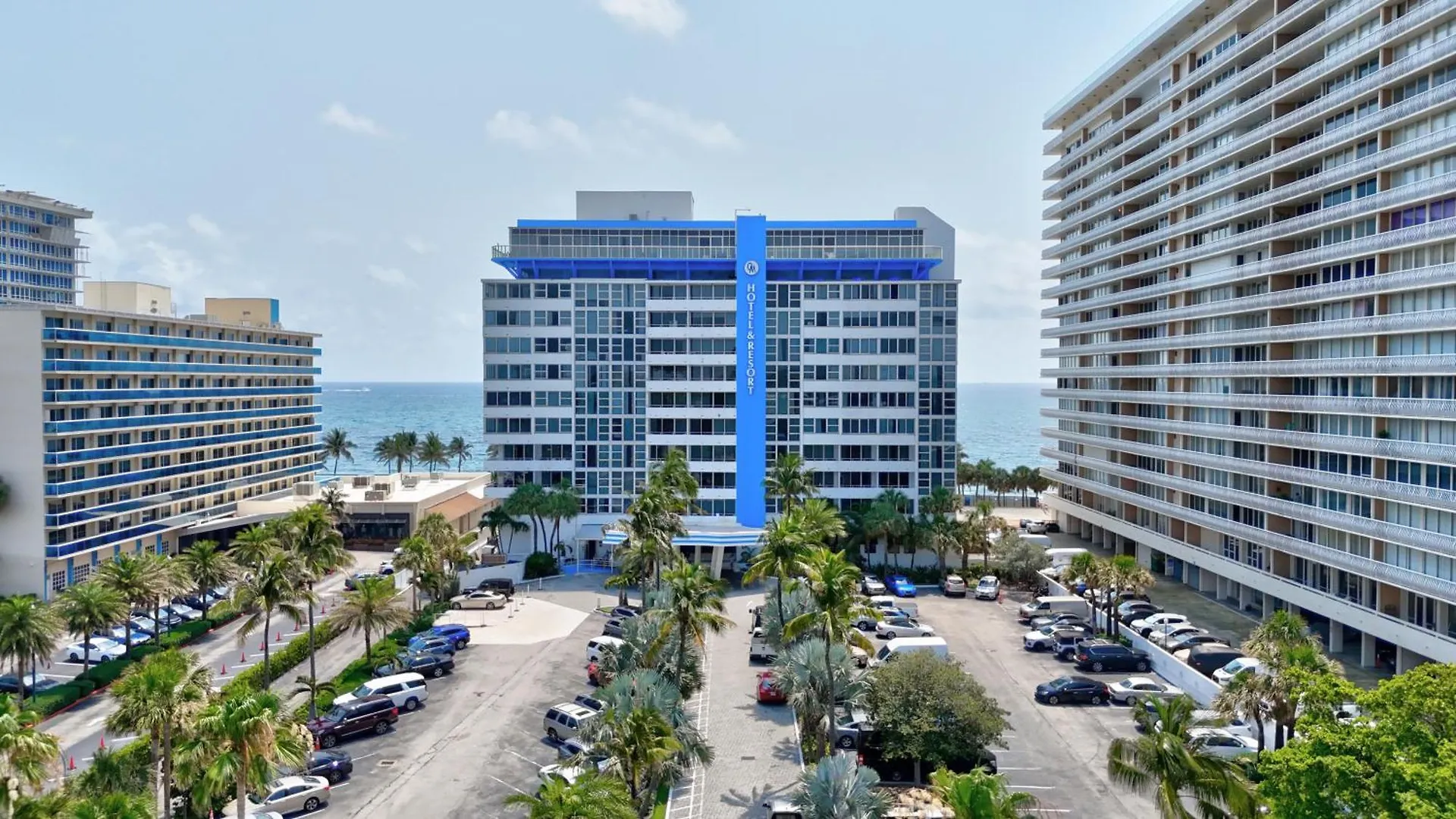
Fort Lauderdale Beach stretches along A1A with direct Atlantic Ocean access, and the beach hotel market here runs from no-frills oceanfront rooms to full-service resort compounds with spas, marinas, and multiple dining venues. This guide breaks down all 9 beach hotels available on the strip - what each actually offers, how they differ, and what to consider before booking.
What It's Like Staying in Fort Lauderdale Beach
Fort Lauderdale Beach runs along State Road A1A, a single coastal boulevard where hotels, bars, and restaurants sit within steps of the Atlantic. The strip is walkable between most properties - a 20-minute walk covers the majority of beachfront hotels north to south. Crowds on the beach are manageable outside spring break (March-April), but A1A itself carries steady traffic and noise, especially on weekends.
The area functions best for travelers who want direct sand-to-room access without relying on a car for beach time. Guests needing downtown Fort Lauderdale - Las Olas Boulevard, the Riverwalk, Port Everglades - will find it around 10 minutes by ride-share, not walking distance.
Pros:
- Direct Atlantic Ocean access from most hotels, no transit needed to reach the beach
- A1A restaurant and bar scene is walkable, reducing reliance on transportation at night
- Hugh Taylor Birch State Park and the International Swimming Hall of Fame are within the immediate area
Cons:
- A1A road noise is a real factor - oceanfront rooms face traffic before they face the ocean
- Spring break period brings significant crowd density and inflated pricing
- Limited public transit options make a car or regular ride-share costs a practical necessity for non-beach activities
Why Choose a Beach Hotel in Fort Lauderdale Beach
Beach hotels on Fort Lauderdale Beach differ meaningfully from hotels a few blocks inland or in downtown Fort Lauderdale. Oceanfront positioning here means private sand access, Atlantic views from rooms and pools, and on-site water sports - features that inland properties simply cannot replicate. Rate premiums for true beachfront positioning run around 35% higher than comparable properties just two blocks from the water.
Room sizes at full-service beach resorts here tend to be larger than downtown counterparts, with many properties offering suites with kitchenettes or full kitchens - useful for longer stays. The trade-off is that resort fees are standard across most beachfront properties, typically adding $30-$45 per night on top of the listed rate, and parking charges apply at nearly all of them.
Main advantages of beach hotels here:
- Private beach areas, beachfront pools, and water sports rentals (jet skis, kayaks) available directly on-site
- Multiple on-site dining options mean guests aren't forced off-property for every meal
- Spa services and fitness centers are common, supporting multi-day resort-style stays
Main trade-offs in this zone:
- Resort fees and parking costs are rarely included in the headline room rate
- High-season occupancy means popular amenities like pools and beach chairs fill quickly by mid-morning
- Properties directly on A1A face street noise that partially offsets the oceanfront premium
Practical Booking & Area Strategy
The strongest positioning on Fort Lauderdale Beach runs between Seabreeze Boulevard in the south and Sunrise Boulevard in the north, where beach width is at its best and the concentration of walkable dining is highest. Hotels south of Seabreeze - closer to the marina and the International Swimming Hall of Fame - offer a quieter atmosphere with the Bahia Mar marina as a notable landmark, while properties north toward Sunrise Boulevard are closer to Hugh Taylor Birch State Park.
The Fort Lauderdale-Hollywood International Airport sits around 22 km south, making most beach hotels a 25-minute drive without traffic - manageable, but factor in costs if flying in late. Booking at least 8 weeks ahead is advisable for peak winter and spring break periods (January through April), when occupancy across beachfront properties regularly exceeds 90%. The Galleria at Fort Lauderdale, the area's primary shopping mall, is consistently around 7 minutes by car from most beach hotels, not walkable. For things to do directly on the strip: the Bonnet House Museum and Gardens is 5 minutes from most properties, the Jungle Queen Riverboat departs near Bahia Mar, and the Museum of Discovery and Science is a short drive inland.
Best Value Beach Hotels
These properties deliver direct beach access and core resort amenities at rates that sit below the top-tier full-service resorts on the strip - useful for travelers who prioritize sand access over extensive on-site programming.
-
1. Ocean Manor Beach Resort
Show on map


 Check-infrom 15:00 until 23:59Check-outuntil 11:00
Just a few rooms left at the best rate!
fromUS$ 90
-
2. Ocean Sky Hotel & Resort
Show on map


 Check-infrom 15:00 until 23:59Check-outuntil 11:00
Just a few rooms left at the best rate!
fromUS$ 99
-
3. Sun Tower Hotel & Suites On The Beach
Show on map


 Check-infrom 15:00 until 23:59Check-outuntil 11:00
Just a few rooms left at the best rate!
fromUS$ 159
-
4. Sea Club Ocean Resort
Show on map


 Check-infrom 15:00 until 23:59Check-outuntil 12:00
Hurry – almost gone at this price!
fromUS$ 68
-
5. Ocean Manor Tiki Sunset Retreat
Show on map


 Check-infrom 16:00 until 23:00Check-outuntil 11:00
Hurry – almost gone at this price!
fromUS$ 183
Best Premium Beach Stays
These four properties operate as full-service beach resorts with expanded dining, dedicated spas, and signature amenities - positioning them above standard beachfront hotels on the strip in both price and on-site experience.
-
6. Pelican Grand Beach Resort, A Noble House Resort
Show on map


 Check-infrom 16:00 until 23:59Check-outuntil 11:00
Hurry – almost gone at this price!
fromUS$ 169
-
7. The Westin Fort Lauderdale Beach Resort
Show on map


 Check-infrom 16:00 until 23:59Check-outuntil 11:00
Rooms filling fast – secure the best rate!
fromUS$ 149
-
8. Bahia Mar Fort Lauderdale Beach - Doubletree By Hilton
Show on map


 Check-infrom 16:00 until 23:59Check-outuntil 11:00
Rooms filling fast – secure the best rate!
fromUS$ 126
-
9. The Lago Mar Beach Resort And Club
Show on map


 Check-infrom 16:00 until 23:59Check-outuntil 11:00
Rooms filling fast – secure the best rate!
fromUS$ 146
Smart Travel & Timing Advice for Fort Lauderdale Beach
Fort Lauderdale Beach operates on a clear seasonal curve. January through March is peak season - winter sun seekers from the Northeast and Midwest drive occupancy across all beachfront properties above 85%, and rates reflect it. Spring break (mid-March through mid-April) brings a different crowd and a further price spike; families and couples who prefer a calmer atmosphere are better served either side of that window. Late April through May offers a genuine sweet spot: the weather averages in the low 80s°F, crowds thin noticeably, and rates drop around 25% compared to peak winter weeks.
Summer (June through August) is humid and subject to afternoon storms, but rates fall to their annual lows and the beach is far less crowded on weekday mornings. Hurricane season runs through November, though direct impacts are statistically rare - travel insurance is worth factoring in for summer and fall bookings. Booking at least 8 weeks out for any January-April stay is a realistic baseline; top-tier properties like Pelican Grand and The Westin routinely sell out preferred oceanfront room categories well before that. For a beach-focused trip, 3 nights is the practical minimum to justify the travel time and resort fee costs; 5 nights allows for a realistic mix of beach time, water sports, and day trips to Las Olas or the Everglades.