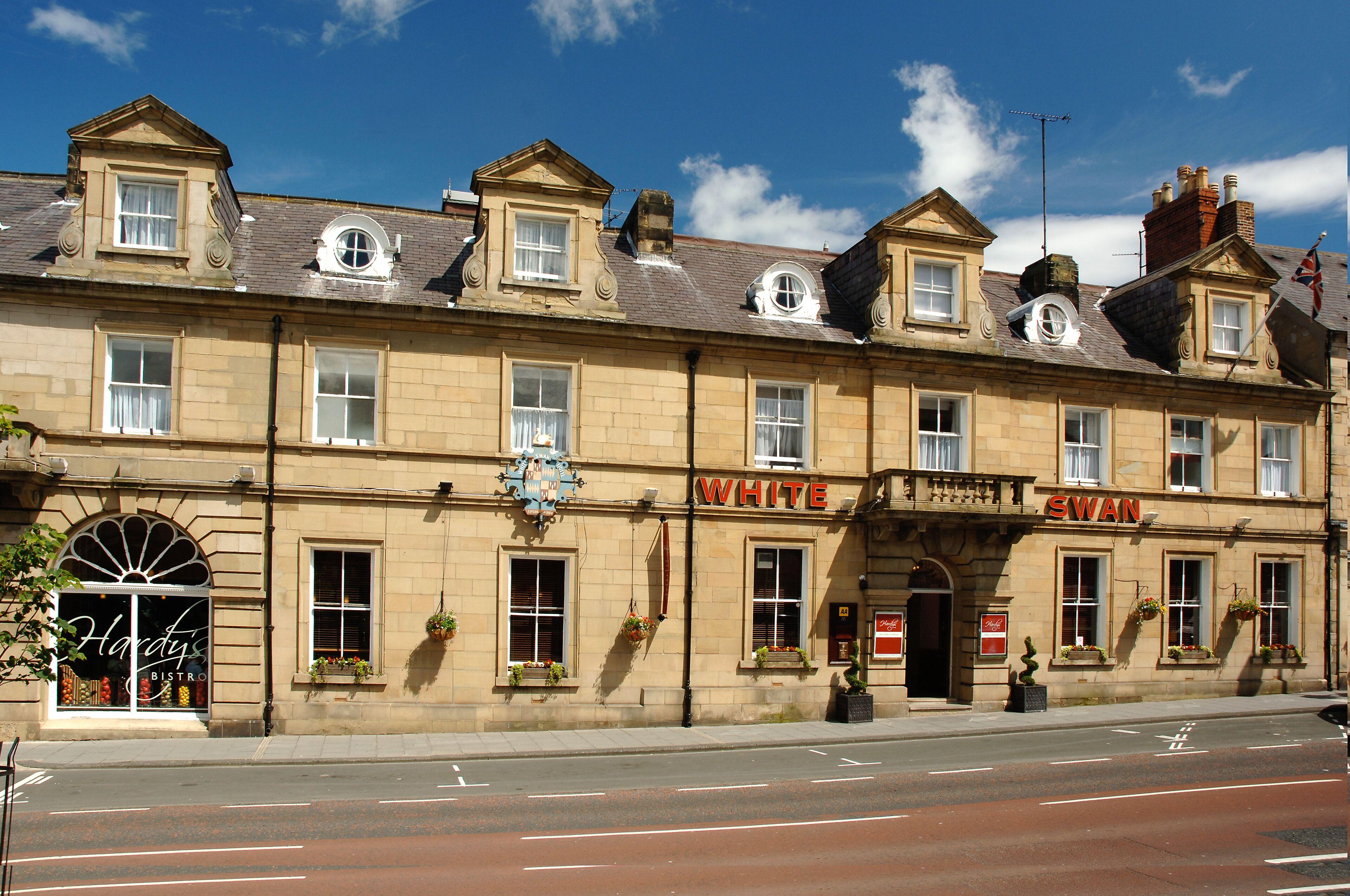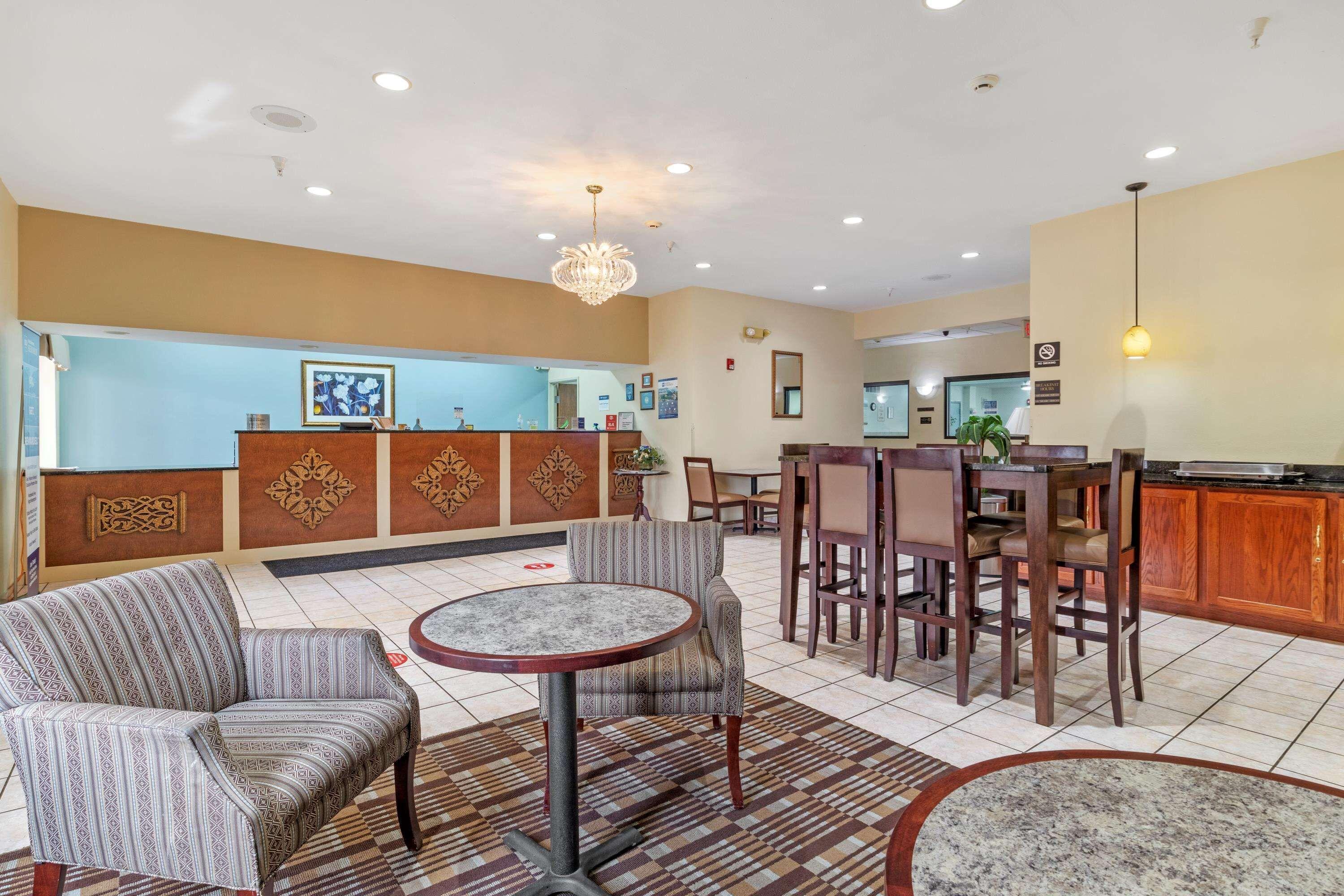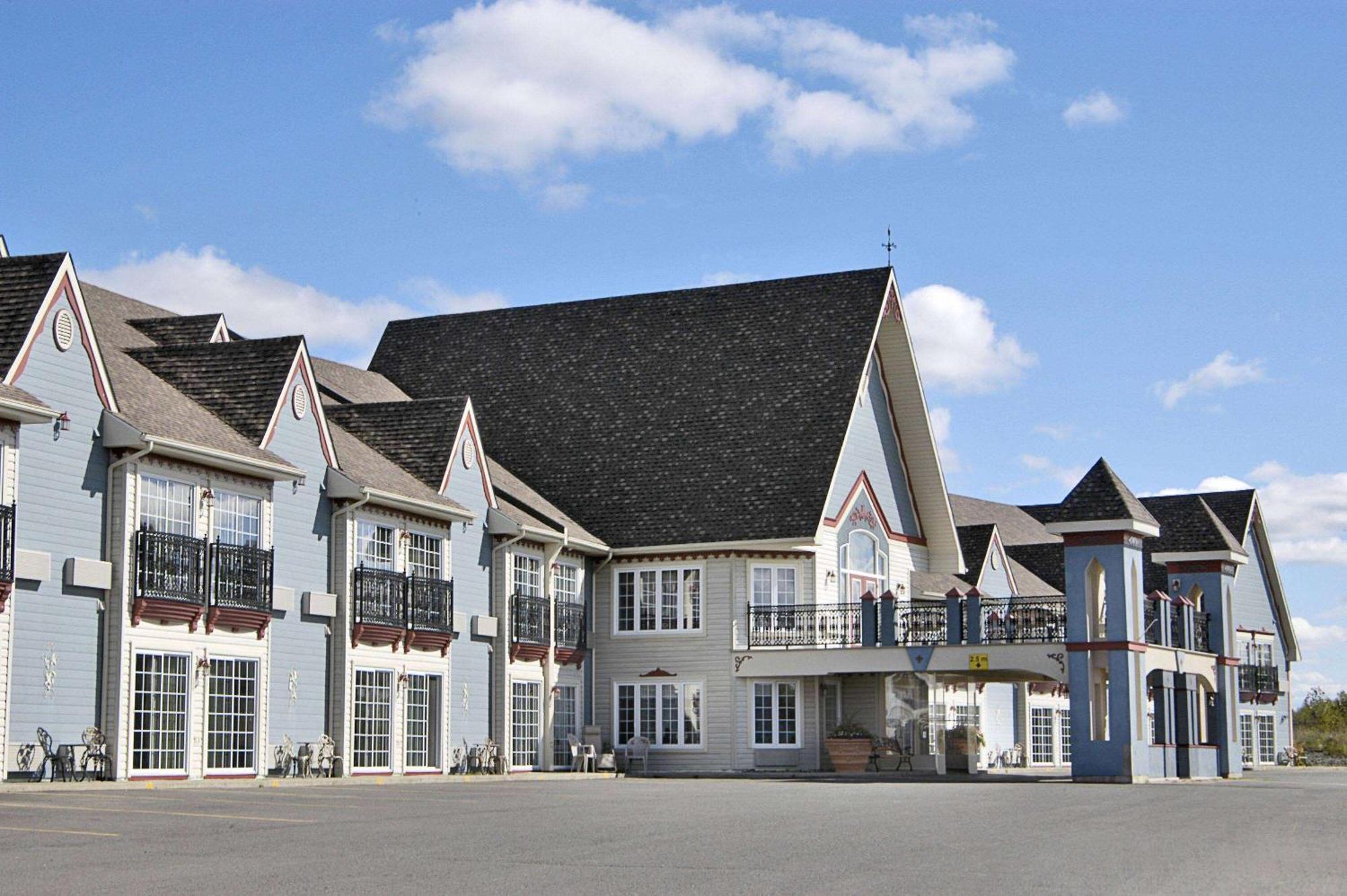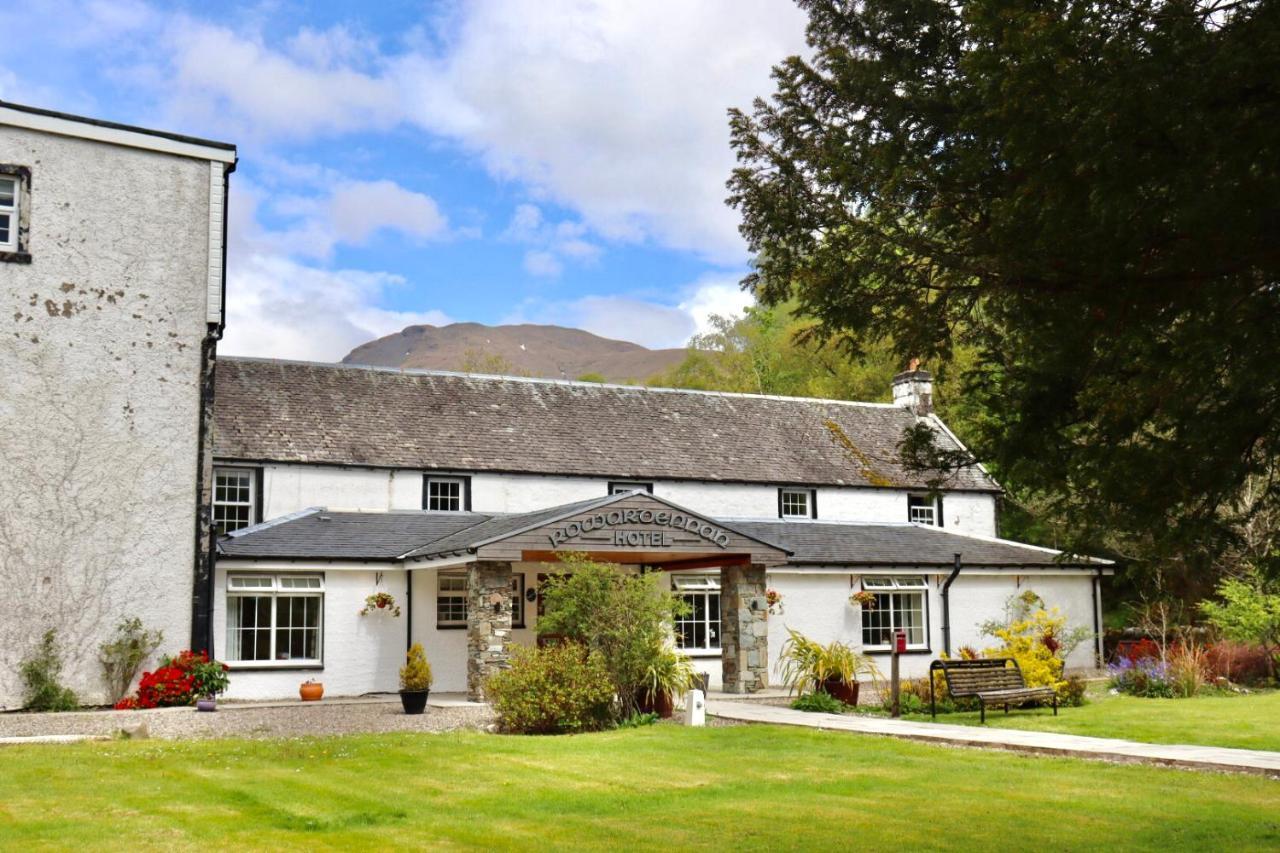
The Appalachian Mountains stretch over 2,000 miles across 14 U.S. states, offering an extraordinary range of landscapes - from the Blue Ridge Parkway in North Carolina to the White Mountains of New Hampshire - and budget travelers will find a surprisingly strong selection of affordable hotels anchored near the region's most-visited trailheads, state parks, and heritage towns. Whether you're planning a hiking trip through Shenandoah, a leaf-peeping drive along the Skyline Drive, or a weekend in a mountain town like Dahlonega or Helen, Georgia, finding a cheap hotel in the Appalachians doesn't mean sacrificing reliability or access. This guide covers 15 budget and value hotels across the region, with specific positioning insights to help you book smarter.
What It's Like Staying in the Appalachian Mountains
Staying in the Appalachian Mountains means accepting a fundamentally different rhythm from city travel - towns are small, distances between attractions are real, and a car is almost always necessary. Most Appalachian destinations have no public transit, which means your hotel's proximity to a trailhead or town center directly affects how much time you spend driving each day. Popular gateway towns like Hendersonville, NC, Front Royal, VA, and Helen, GA see significant seasonal crowding, particularly during fall foliage season in October and winter ski weekends, while summer hiking traffic peaks across the entire corridor from June through August.
Budget travelers who plan well gain access to extraordinary outdoor value - Appalachian Trail access, national forest hiking, and scenic byways are free, making accommodation the primary cost lever. Travelers without a car or those seeking urban nightlife will find the region limited, as most mountain towns shut down early and are spaced far apart.
Pros:
- Free or low-cost outdoor recreation - trails, waterfalls, and scenic drives - means your nightly hotel budget goes further than in comparable resort destinations
- Budget hotels in Appalachian gateway towns often include free parking and free breakfast, reducing daily travel costs significantly
- Shoulder seasons (April-May and September) offer lower rates with excellent weather and far fewer crowds on popular trails
Cons:
- A rental car is essential - distances between hotels, trailheads, and town centers routinely exceed 15 km with no transit alternative
- Peak fall foliage weekends (mid-October) drive up rates even at budget properties, sometimes by around 40% over standard pricing
- Dining options near budget hotels in smaller mountain towns are limited, and grocery stores may require a detour of several miles
Why Choose Budget Hotels in the Appalachian Mountains
Budget hotels in the Appalachian Mountains serve a traveler profile that's almost entirely activity-driven - hikers, road trippers, and outdoor adventurers who need a clean, reliable base rather than a resort experience. In this region, the gap between budget and mid-range stays is often surprisingly small in terms of amenities: many 3-star properties here include free breakfast, indoor pools, and free parking that would cost extra in urban markets. Nightly rates at budget-tier properties across Appalachian gateway towns typically start around $80-$100, making multi-night stays accessible even for longer trips along the mountain corridor.
The trade-off compared to higher-category mountain lodges is primarily in atmosphere - budget hotels here are standard chain or independent roadside properties, not log-cabin retreats with mountain views from every window. However, most budget hotels in this region are within 20 km of major attractions like the Blue Ridge Parkway, Shenandoah National Park, or the Appalachian Trail, making them genuinely functional base camps.
Pros:
- Free breakfast is standard at many budget-tier properties in this region, which meaningfully reduces daily costs on multi-day hiking or road trips
- Free parking is nearly universal, a significant advantage over comparable-priced urban hotels where parking can add $20-$30 per night
- Several budget properties include indoor pools and fitness centers, useful after long trail days
Cons:
- Room sizes and finishes vary widely between properties - some budget hotels in smaller towns haven't been renovated recently
- On-site dining is limited or absent at many budget properties, requiring a drive for dinner after a full day outdoors
- Availability at well-located budget hotels disappears quickly during peak weekends - last-minute booking is a real risk in October and July
Practical Booking & Area Strategy for the Appalachian Mountains
The Appalachian Mountain region spans multiple states, so your base location should be chosen based on your primary activity, not convenience alone. Front Royal, VA is the northern gateway to Shenandoah National Park and Skyline Drive, making it one of the most strategically positioned budget hotel locations in the entire corridor. Hendersonville, NC places you within 17 km of Asheville Regional Airport and around 36 km from the Biltmore Estate, with the Blue Ridge Parkway accessible in under 30 minutes. In Georgia, Helen and Dahlonega are the two key mountain towns - Helen for tubing, waterpark access, and Chattahoochee National Forest, and Dahlonega for vineyard country, gold rush history, and proximity to Amicalola Falls.
For the Pennsylvania and New York sections of the Appalachian range, East Stroudsburg anchors access to Delaware Water Gap National Recreation Area, while Woodstock, NY is a cultural hub with hiking access to the Catskill Mountains. Book at least 6 weeks in advance for any October weekend across the entire Appalachian corridor - fall foliage is the single highest-demand period. In western North Carolina and Virginia, popular hikes include Max Patch, Roan Mountain, and the McAfee Knob overlook near Salem, VA. The Finger Lakes region of New York and the Pocono Mountains in Pennsylvania offer strong shoulder-season value, with lower rates from November through March outside of ski weekends.
Best Budget Picks: Value Stays Across the Appalachians
These properties deliver the strongest cost-to-utility ratio in their respective Appalachian gateway towns - all include free parking, functional amenities, and direct access to major regional attractions at entry-level price points.
-
1. Motel 6-Salem, Va
Show on map


 Check-infrom 14:00 until 23:59Check-outuntil 11:00
Best price guarantee
fromUS$ 52
-
2. Motel 6-Front Royal, Va
Show on map


 Check-infrom 15:00 until 23:59Check-outuntil 11:00
Best price guarantee
fromUS$ 54
-
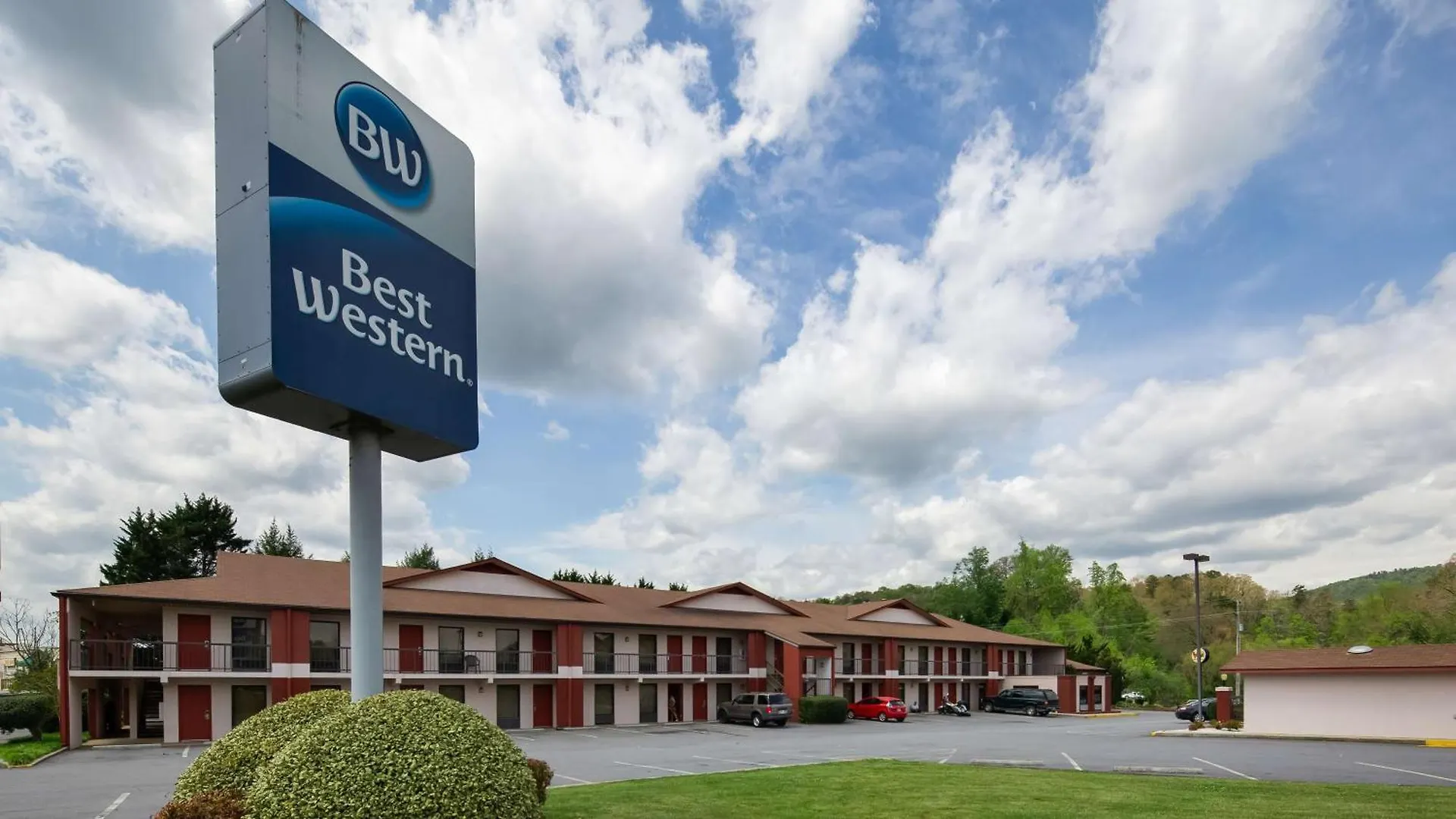
3. Best Western Of Murphy
Show on map


 Check-infrom 15:00 until 23:59Check-outfrom 05:00 until 11:00
Hurry – almost gone at this price!
fromUS$ 129
-
4. Econo Lodge Helen
Show on map


 Check-infrom 15:00 until 23:59Check-outuntil 11:00
Best price guarantee
fromUS$ 60
-
5. Golden Gables Inn Dazzler Select By Wyndham
Show on map


 Check-infrom 15:00 until 23:59Check-outuntil 11:00
Just a few rooms left at the best rate!
fromUS$ 189
Best Mid-Range Budget Options Across the Appalachians
These properties offer a step up in amenities - full breakfast, indoor pools, spa facilities, or resort-style grounds - while still delivering strong value relative to the full-service mountain lodges and resort hotels in the same areas.
-
6. Staybridge Suites Corning By Ihg
Show on map


 Check-infrom 15:00 until 23:59Check-outuntil 12:00
Best price guarantee
fromUS$ 93
-
7. Sleep Inn & Suites Virginia Horse Center
Show on map


 Check-infrom 15:00 until 23:59Check-outuntil 11:00
Rooms filling fast – secure the best rate!
fromUS$ 90
-
8. Best Western Grand Victorian Inn
Show on map


 Check-infrom 15:00 until 23:59Check-outuntil 11:00
Just a few rooms left at the best rate!
fromUS$ 84
-
9. Country Inn & Suites By Radisson, Harrisburg West Mechanicsburg
Show on map


 Check-infrom 15:00 until 23:59Check-outuntil 12:00
Best price guarantee
fromUS$ 87
-
10. Hampton Inn Penn Yan, Ny
Show on map


 Check-infrom 15:00 until 23:59Check-outuntil 11:00
Just a few rooms left at the best rate!
fromUS$ 175
-
11. Hampton by Hilton - Hendersonville, NC
Show on map


 Check-infrom 15:00 until 23:59Check-outuntil 11:00
Best price guarantee
fromUS$ 129
-
12. Hotel Dylan
Show on map


 Check-infrom 16:00 until 18:00Check-outuntil 11:00
Hurry – almost gone at this price!
fromUS$ 178
-
13. Pocono Mountain Villas By Exploria Resorts By Sonesta
Show on map


 Check-infrom 16:00 until 23:59Check-outuntil 10:00
Hurry – almost gone at this price!
fromUS$ 125
-
14. Bluegreen Vacations Blue Ridge Village, An Ascend Collection Resort
Show on map


 Check-infrom 16:00 until 23:59Check-outuntil 10:00
Rooms filling fast – secure the best rate!
fromUS$ 184
-
15. Dahlonega Resort And Vineyard
Show on map


 Check-infrom 15:30 until 23:00Check-outfrom 08:00 until 11:00
Best price guarantee
fromUS$ 189
Smart Timing & Booking Advice for Appalachian Mountain Hotels
The Appalachian Mountains follow a clear demand calendar that directly affects budget hotel availability and pricing. Fall foliage peaks between mid-October and early November across the full corridor - from the Great Smoky Mountains in Tennessee and North Carolina through Shenandoah in Virginia and up into the Catskills and White Mountains - and this is the single hardest period to find available budget rooms. Rates at properties like Hampton Inn Hendersonville, Econo Lodge Helen, and Hotel Dylan in Woodstock can spike sharply during peak foliage weekends, and availability disappears faster than anywhere else in the region's travel year.
Summer (June through August) is the second busiest period, driven by hiking, waterpark visits (Pocono Mountains, Helen, GA), and family road trips along the Blue Ridge Parkway. April, May, and September offer the best combination of good weather, lower rates, and manageable crowds - wildflower season in April is particularly spectacular in the Great Smoky Mountains and along the Appalachian Trail in Virginia. For ski-adjacent properties like Blue Ridge Village near Sugar Mountain or Hotel Dylan near Catskill slopes, January and February see weekend demand spikes while midweek stays remain relatively affordable. Plan for a minimum of 3 nights at any single Appalachian base to make driving time worthwhile - the region rewards slower itineraries over rushed single-night stops.