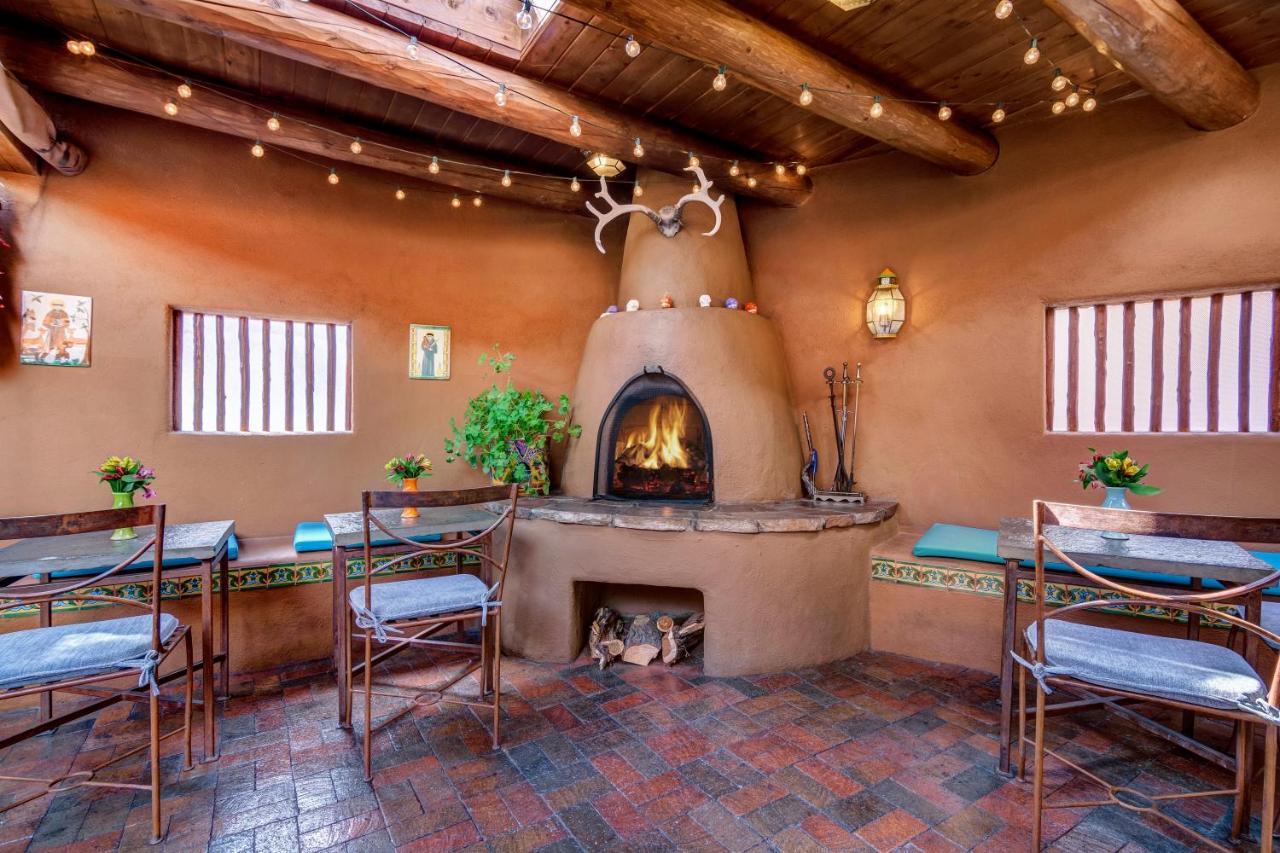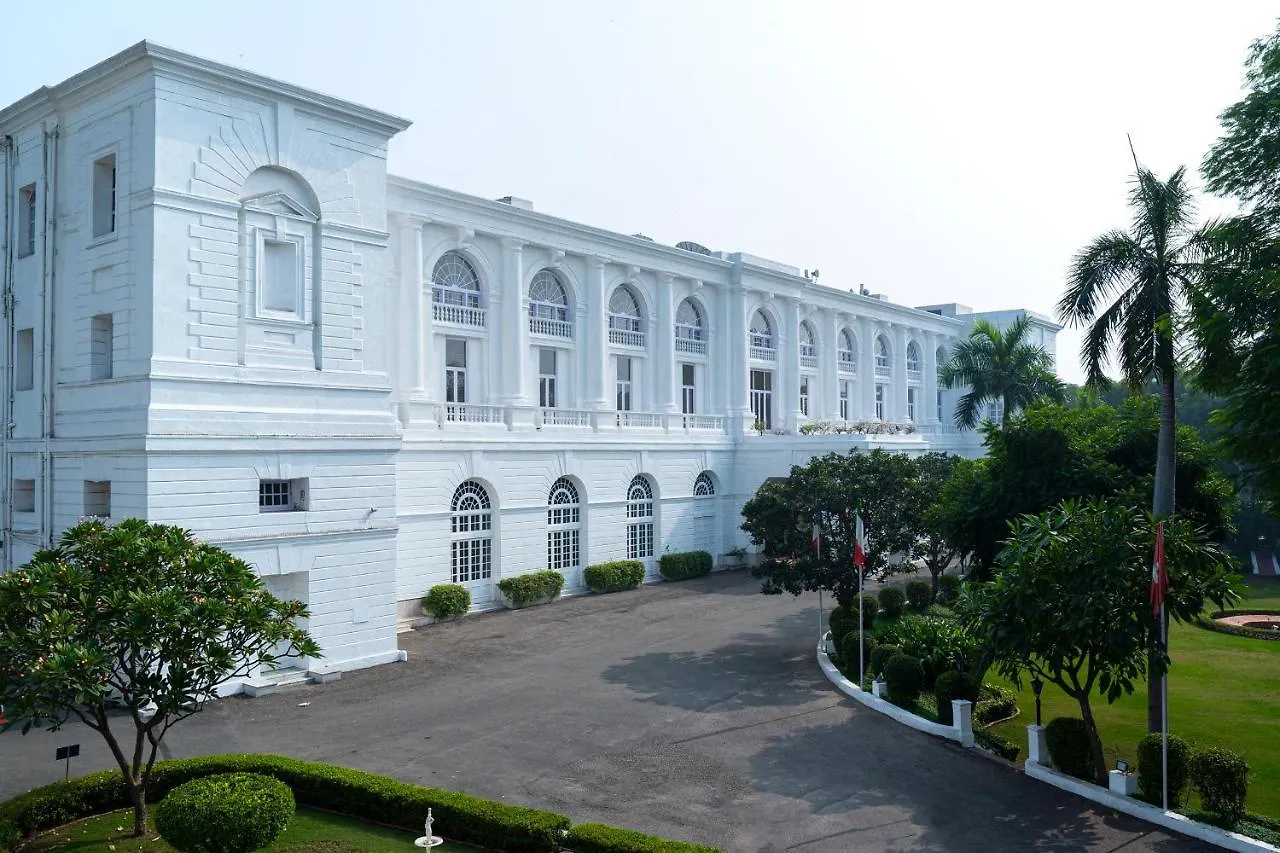
Central Delhi splits into two distinct accommodation zones: the heritage quietude of Civil Lines and the high-energy commercial core of Connaught Place. Travelers searching for design-forward hotels here are typically weighing architectural character against metro convenience - and both hotels in this guide sit at opposite ends of that spectrum. Whether you're drawn to 1903 colonial stonework or a fireplace-equipped room 500 metres from New Delhi Railway Station, this guide cuts through the noise to help you book the right property for your actual itinerary.
What It's Like Staying in Central Delhi
Central Delhi is not a single neighborhood - it's a layered urban corridor running from the colonial bungalows of Civil Lines in the north down to the concentric rings of Connaught Place. Rajiv Chowk Metro Station, the Yellow and Blue Line interchange at the heart of Connaught Place, puts most of the city within around 30 minutes by rail, which dramatically reduces dependency on surface traffic. That said, street-level movement during peak hours - particularly along Kasturba Gandhi Marg and Baba Kharak Singh Marg - can add significant time to any taxi or auto-rickshaw journey.
The area rewards travelers who use the metro as their primary transport tool and treat surface roads as a last resort. Civil Lines, by contrast, operates at a slower pace: wide avenues, large garden plots, and a palpable detachment from the market chaos of Chandni Chowk just around 2.5 km south.
Pros:
- * The Yellow Line metro connects Central Delhi directly to Chandni Chowk, Jama Masjid, and AIIMS without a single transfer
- * Connaught Place's Inner Circle concentrates dining, banking, and shopping within a walkable radius
- * Civil Lines offers a rare buffer of calm - large plots, lower traffic density, and proximity to heritage monuments without the Old Delhi crowds
Cons:
- * Surface traffic between Connaught Place and Civil Lines peaks heavily from 9 AM-11 AM and 5 PM-8 PM, making taxis unreliable during those windows
- * Connaught Place street-level noise carries into hotels that lack serious soundproofing
- * The area lacks the concentrated restaurant and nightlife density found in South Delhi neighborhoods like Hauz Khas or Greater Kailash
Why Choose Exceptional Design Hotels in Central Delhi
Design hotels in Central Delhi are not a homogeneous category. Here, the label encompasses two architecturally distinct approaches: preserved colonial heritage, where the building itself is the design statement, and contemporary boutique execution, where intentional interiors and curated amenities carry the identity. Both sit meaningfully above the mid-range business hotel inventory that dominates this district, though their price points and spatial configurations differ considerably.
Heritage design properties in this zone tend to offer larger room footprints - high ceilings, walk-in closets, and outdoor pool access are standard - while contemporary design picks prioritize street-level connectivity, with metro access sometimes measured in steps rather than minutes. Trade-offs exist on both sides: heritage properties require accepting some distance from Connaught Place's commercial core, while centrally positioned design hotels must work harder on soundproofing given the ambient noise of one of Delhi's busiest intersections.
Pros:
- * Design hotels in this zone offer architectural identities that standard business hotels in Aerocity or Gurgaon simply cannot replicate
- * Heritage properties around Civil Lines command premium rates but include facilities - pools, multiple dining venues, valet parking - that justify the gap over standard three-star options
- * Connaught Place design properties deliver metro-adjacency that eliminates the need for a car, reducing overall trip cost
Cons:
- * Rooms in heritage-classified buildings can vary significantly in size and light exposure depending on floor and wing
- * Design hotels in Central Delhi are priced at around 40% above comparable rooms in South Delhi or Aerocity
- * Connaught Place properties rarely offer parking solutions suitable for guests arriving by private vehicle
Practical Booking & Area Strategy for Central Delhi
Position matters enormously in Central Delhi. Civil Lines hotels on Sham Nath Marg sit in the quietest pocket of the district - wide roads, low pedestrian density, and immediate access to the Civil Lines Metro Station on the Yellow Line make this an underrated anchor point for travelers covering both Old and New Delhi. From Civil Lines, the Red Fort is roughly 2.5 km south, reachable by metro in under 10 minutes. The Connaught Place cluster - anchored by the Inner Circle and Rajiv Chowk - offers a different calculus: you lose the garden-compound quietude but gain direct walking access to Janpath Market, the Central Park underground bazaar, and the corridors connecting to Khan Market and Lodi Garden via metro.
For travelers visiting between October and February - Delhi's tourist high season - booking at least 6 weeks in advance is advisable for design-category properties, as inventory in this tier is thin and last-minute availability typically commands a sharp premium. Nights in Central Delhi feel safe and walkable around Connaught Place's illuminated ring roads, though Civil Lines quiets considerably after 10 PM, making late arrivals more dependent on pre-arranged transport. Key things to do nearby include exploring the Red Fort, bargaining in Chandni Chowk, attending the evening sound and light show at Purana Qila, and walking the Lodi Garden at dawn - all accessible within a single metro line from either hotel in this guide.
Hotel Comparison
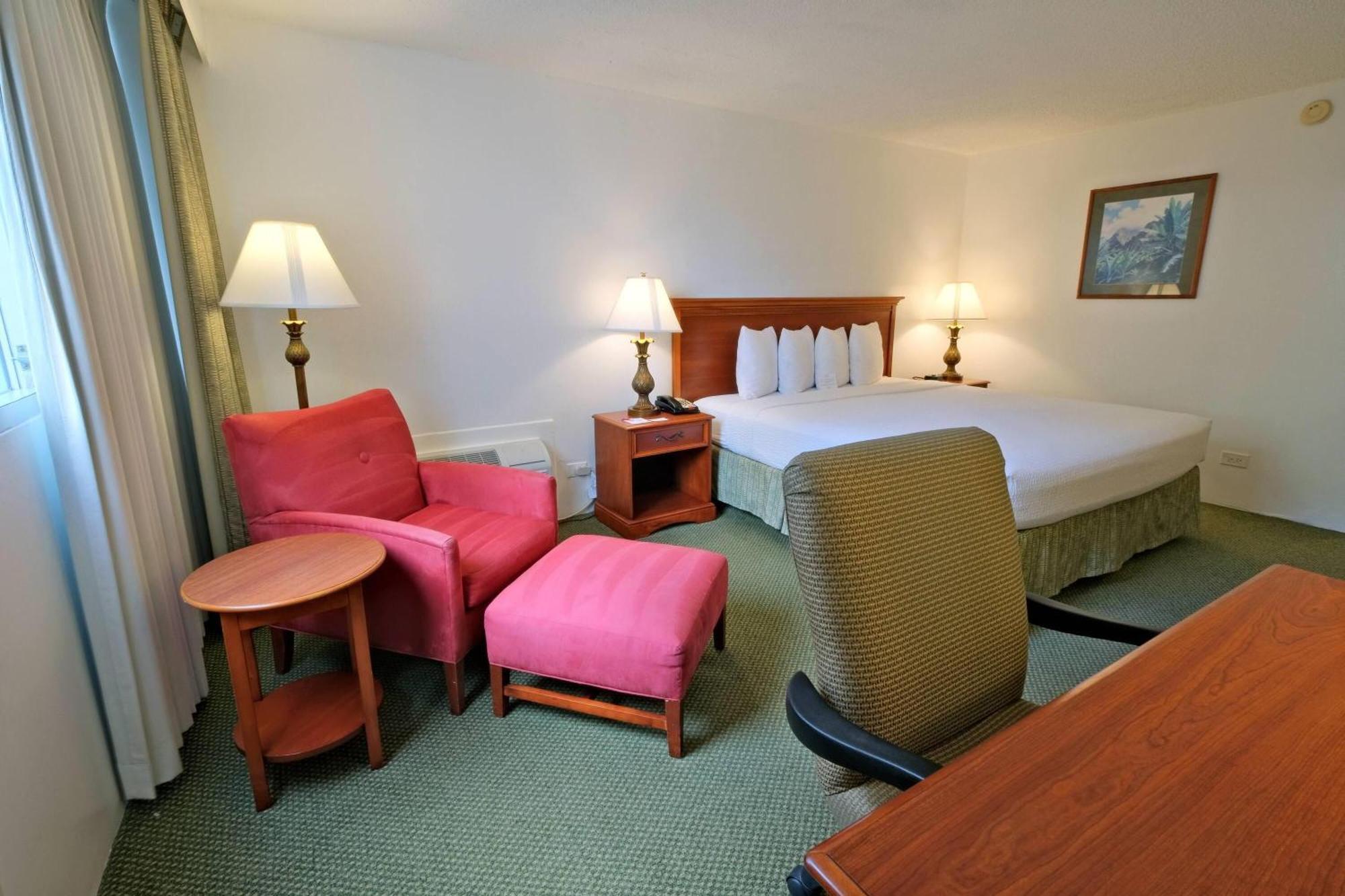
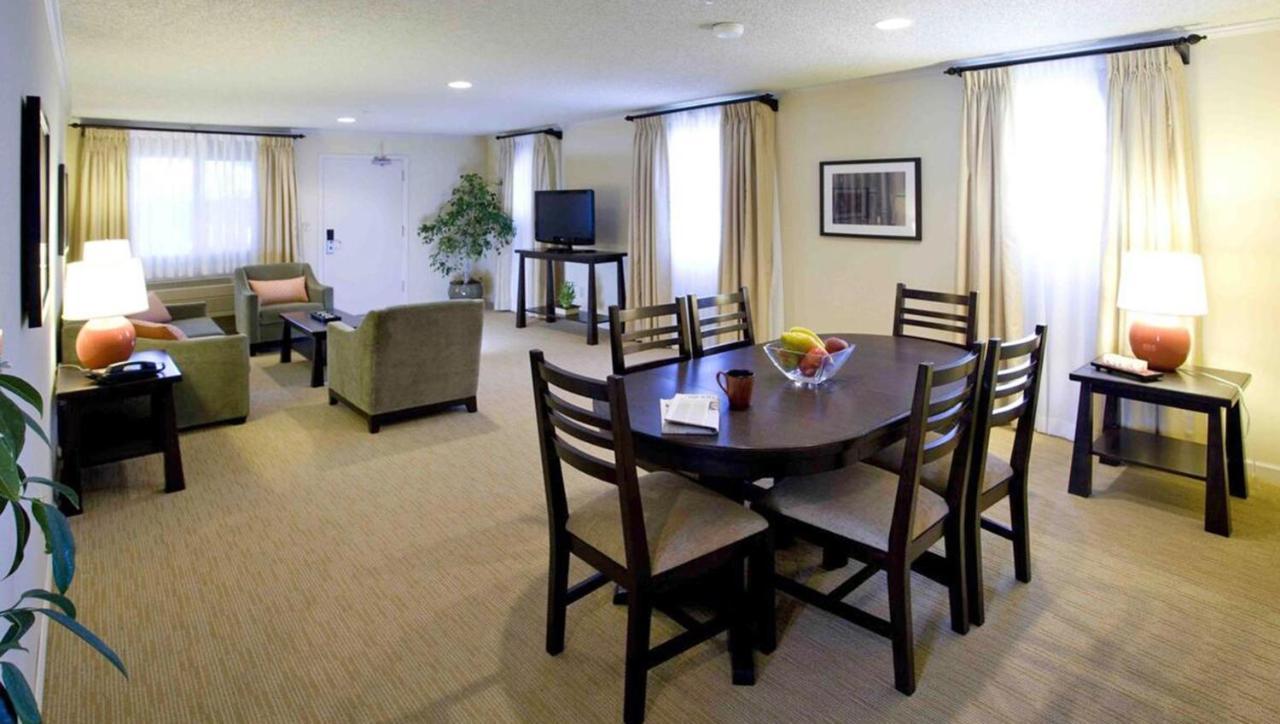
These two properties represent the two dominant design typologies available in Central Delhi - colonial heritage on Sham Nath Marg and contemporary design at the Connaught Place core - serving travelers with different priorities but both positioned above the district's generic business hotel baseline.
- Show on map
Best price guarantee
-
2. The Corus Hotel
Show on map


 Check-infrom 14:00 until 21:30Check-outfrom 11:00 until 12:00
Just a few rooms left at the best rate!
fromINR 5369
Smart Travel & Timing Advice for Central Delhi
The window between mid-October and early March is when Central Delhi operates at its most visitor-friendly: temperatures are manageable, air quality is relatively better than the winter smog peak of December-January, and daylight hours allow efficient sightseeing across both Old and New Delhi in a single day. November and February represent the sweet spot - peak-season crowds without the New Year holiday pricing surge that hits design hotels particularly hard. Summer months (May-July) see Central Delhi at its most emptied of leisure travelers, with temperatures frequently exceeding 42°C; hotels in this period offer their lowest rack rates, but the heat makes outdoor attractions impractical before 7 AM or after 6 PM.
For stays focused on Central Delhi specifically, three nights is the practical minimum to cover Civil Lines heritage sites, Connaught Place's market circuit, and a full day in Old Delhi without feeling rushed. Last-minute bookings in October and February are high-risk for design-tier properties - this is when international conference and wedding season collide with leisure demand. Booking 6 weeks ahead locks rates before the seasonal markup kicks in; anything inside 2 weeks in peak season typically means accepting significantly higher prices or inferior room categories at these two properties.