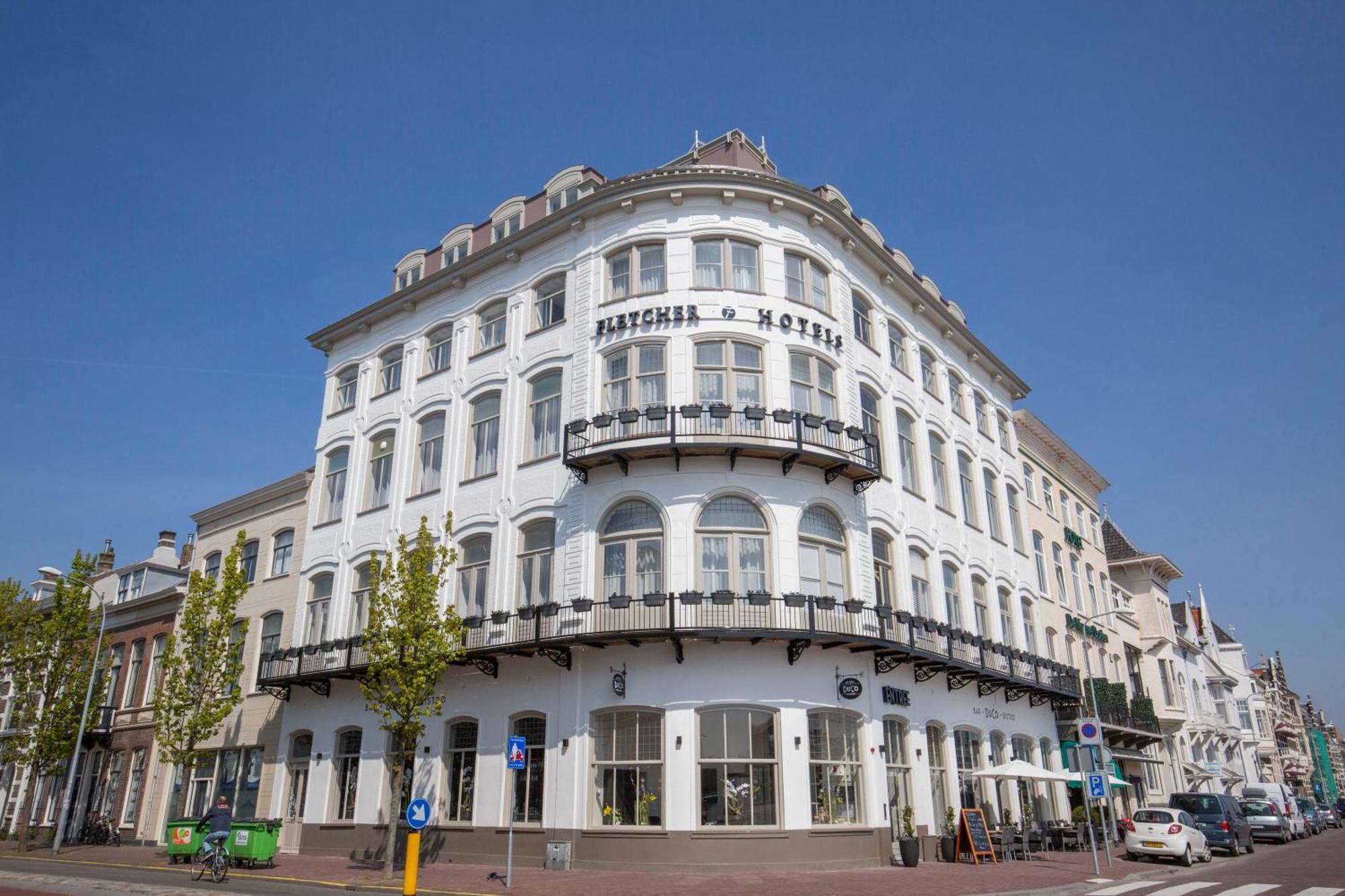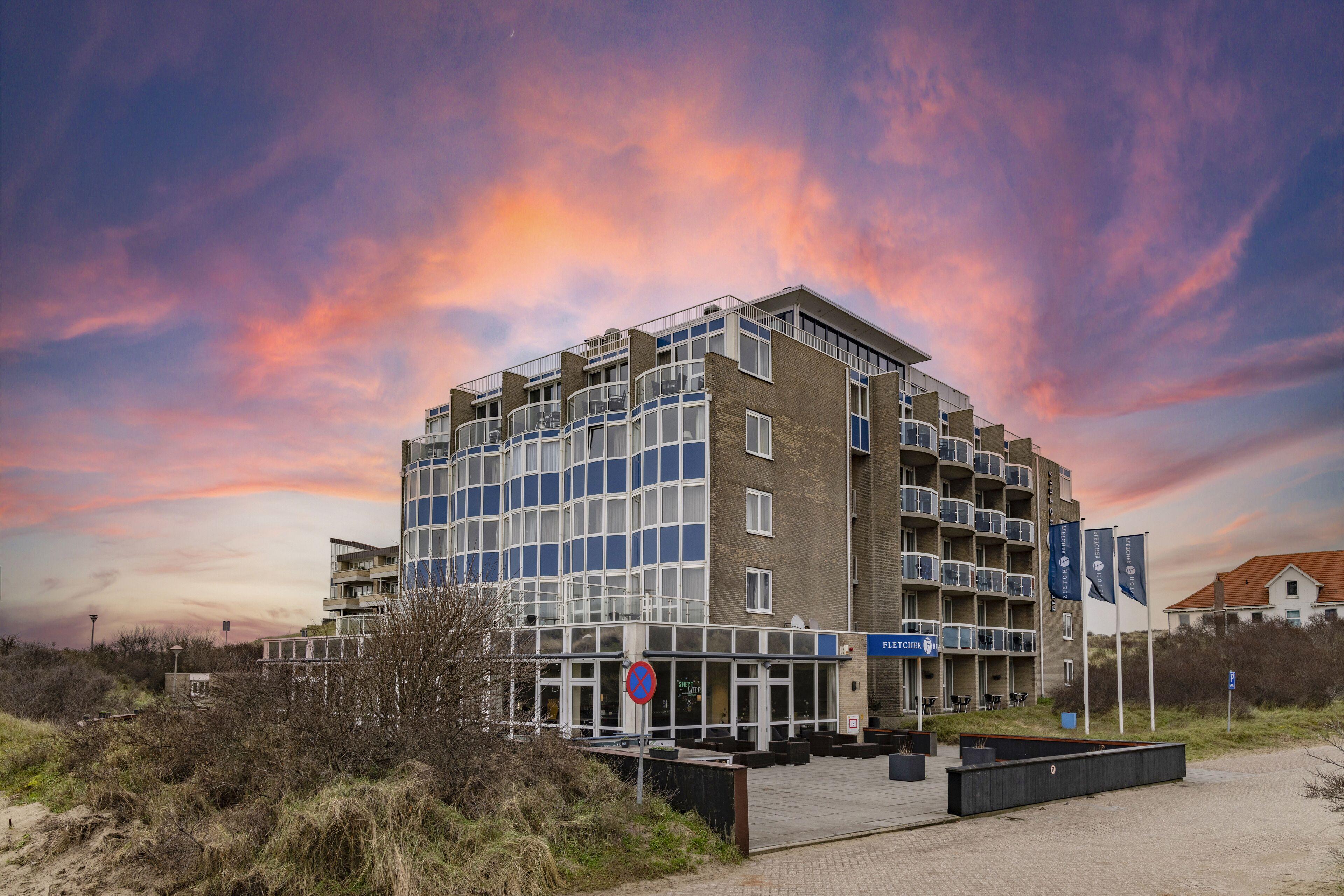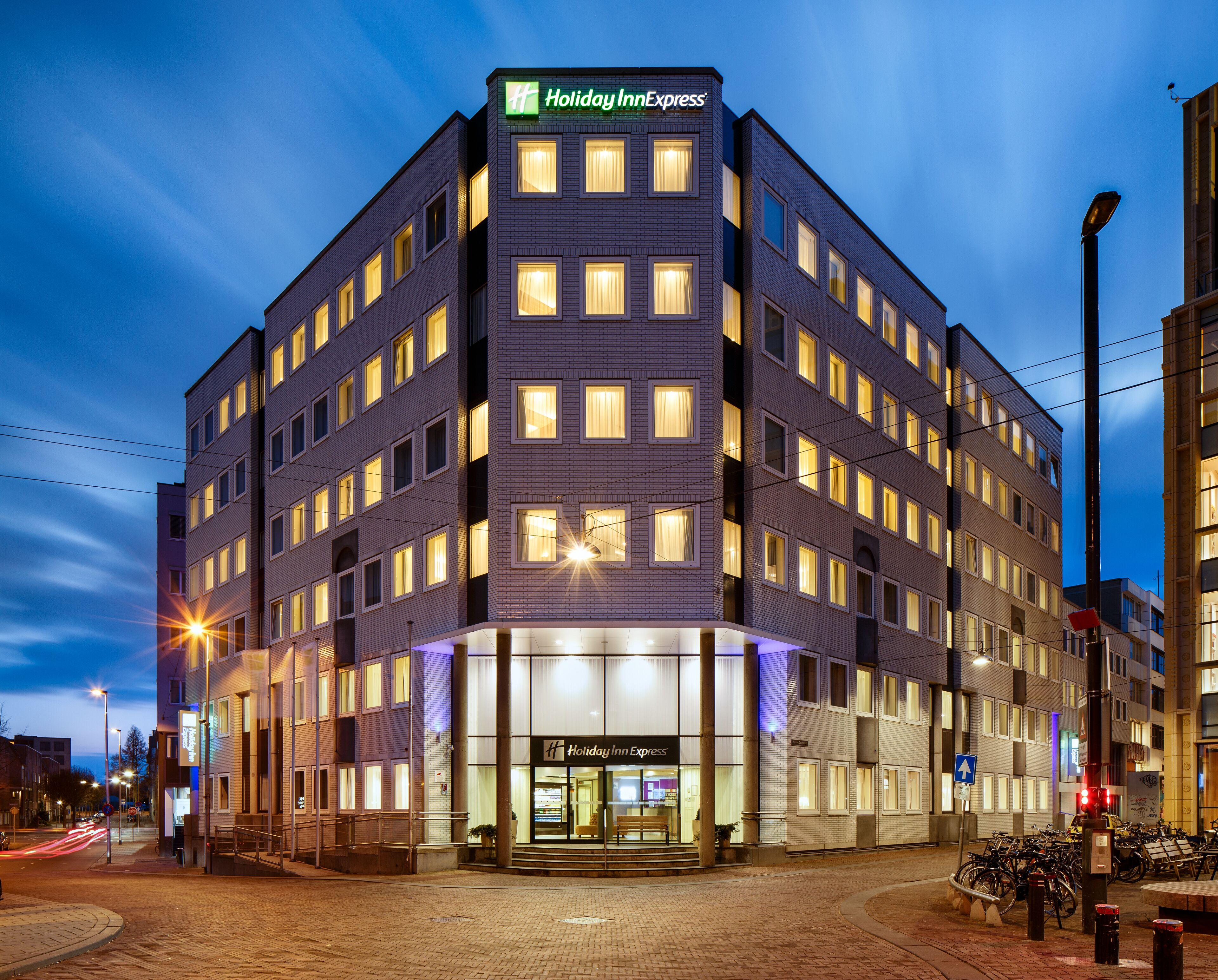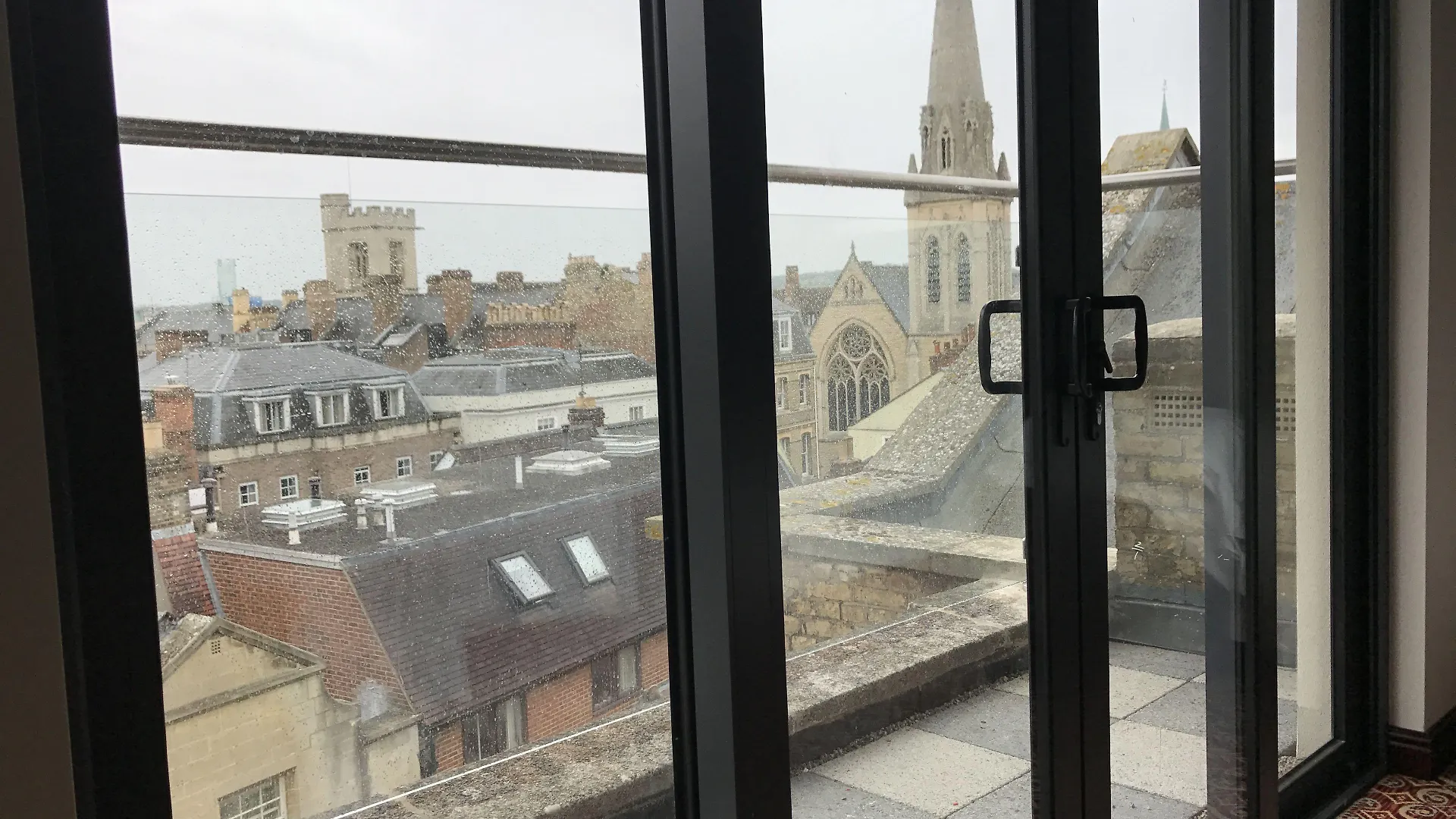
Oxford City Centre concentrates the university colleges, the Bodleian Library, the Ashmolean Museum and the main shopping streets within a compact, walkable core. Staying centrally means you can reach most major landmarks on foot, skip the bus network entirely for daytime sightseeing, and choose from a wider range of hotels - from converted Victorian prisons to 17th-century coaching inns. This guide covers 10 central hotels in Oxford City Centre, grouped by price positioning, with practical location notes for each.
What It's Like Staying in Oxford City Centre
Oxford City Centre is compact enough that most hotels listed here put you within a 10-minute walk of the main university colleges, Covered Market, and Carfax Tower. Foot traffic is heavy between 10am and 6pm, particularly along High Street, Cornmarket Street and Broad Street, which means noise levels in street-facing rooms can be noticeable during the day and early evening. Oxford Rail Station sits on the western edge of the centre - around a 15-minute walk from the heart of the city - so guests arriving by train face a moderate walk or a short taxi ride before reaching most central hotels.
Pros:
Walking distance to the Bodleian Library, Christ Church, and the Ashmolean Museum without needing any transport
Strong restaurant and pub density, including riverside venues along the Thames and Cherwell
Late-night atmosphere is generally calm outside the student-heavy areas near Cowley Road
Cons:
Street-facing rooms near High Street or Cornmarket can pick up significant daytime and early-evening noise
Parking is severely restricted; most central hotels either charge a premium for it or do not offer it
Oxford City Centre commands some of the highest nightly rates in the region, especially during university events and summer
Why Choose a Central Hotel in Oxford City Centre
Central hotels in Oxford City Centre range from characterful historic properties with original period features to modern branded hotels with consistent amenities. Rates at central properties can run around 40% higher than equivalent accommodation on the outskirts, but the trade-off is direct pedestrian access to every major attraction without relying on the bus network. Room sizes vary significantly - boutique conversions such as the old bank or prison buildings tend to offer smaller footprints than purpose-built modern hotels, though they compensate with design detail and atmosphere that generic hotels cannot replicate.
Main advantages of central hotels here:
No transport cost or time needed for daytime sightseeing across the historic university quarter
Higher concentration of hotels with on-site dining and bars, useful when Oxford's restaurant queues are long
Many central properties occupy listed buildings with architectural character unavailable elsewhere in the city
Main trade-offs in this specific zone:
Room sizes in converted historic buildings are frequently smaller than in comparable-priced chain hotels outside the centre
Parking either unavailable or charged separately at most central addresses
Oxford City Centre hotels fill quickly during Encaenia (university degree ceremony), Boat Race season, and August tourist peak
Practical Booking & Area Strategy
The most walkable hotel positions within Oxford City Centre cluster around High Street, Broad Street, and George Street - all within 5 minutes of the Bodleian, the Radcliffe Camera, and the main college entrances. Hotels near Beaumont Street and St Giles' Street, slightly north of the core, offer marginally quieter surroundings while still keeping the Ashmolean Museum and central college district within a short walk. Oxford Rail Station on Botley Road is the main transport hub, currently affected by road closures through October 2026 due to station upgrades - guests arriving by train should confirm walking or taxi routes with their hotel in advance.
Oxford punting on the Cherwell and Thames, visits to the Covered Market, touring the Bodleian Library, and exploring Christ Church Meadow are all reachable on foot from any hotel in this guide. Book central Oxford hotels at least 8 weeks ahead for visits during May and June (university exam and ceremony season) and July through August (peak tourist season), when availability drops sharply and rates spike across all categories.
Best Value Central Hotels in Oxford City Centre
These hotels sit at the more accessible end of the central Oxford price spectrum while maintaining en-suite facilities, free WiFi, and locations within walking distance of the main university and cultural sites.
-
1. The George Street Hotel
Show on map


 Check-infrom 15:00 until 22:00Check-outfrom 05:00 until 11:00
Just a few rooms left at the best rate!
from£ 116
-
2. Royal Oxford Hotel
Show on map


 Check-infrom 15:00 until 23:59Check-outuntil 11:00
Just a few rooms left at the best rate!
from£ 117
-
3. Rewley House University Of Oxford
Show on map


 Check-infrom 14:00 until 23:00Check-outfrom 08:00 until 10:00
Rooms filling fast – secure the best rate!
from£ 109
-
4. The Buttery
Show on map


 Check-infrom 14:00 until 23:30Check-outfrom 06:00 until 11:00
Hurry – almost gone at this price!
from£ 67
Best Mid-Range Central Hotels in Oxford City Centre
These hotels combine strong central positioning with on-site dining, more detailed room fit-out, and facilities suited to both leisure and business stays in Oxford.
-
5. Head Of The River
Show on map


 Check-infrom 15:00 until 22:00Check-outfrom 07:00 until 11:00
Just a few rooms left at the best rate!
from£ 154
-
6. Courtyard By Marriott Oxford City Centre
Show on map


 Check-infrom 15:00 until 23:59Check-outuntil 12:00
Rooms filling fast – secure the best rate!
from£ 158
-
7. Mercure Oxford Eastgate Hotel
Show on map


 Check-infrom 14:00 until 23:59Check-outuntil 12:00
Rooms filling fast – secure the best rate!
from£ 59
Best Premium Central Hotels in Oxford City Centre
These properties offer the most distinctive architecture, highest room specification, and strongest on-site dining in Oxford's central hotel market - each occupying a building with independent historical significance.
-
8. Old Bank Hotel
Show on map


 Check-infrom 15:00 until 23:59Check-outfrom 06:00 until 11:00
Hurry – almost gone at this price!
from£ 138
-
9. Malmaison Oxford
Show on map


 Check-infrom 15:00 until 23:59Check-outuntil 11:00
Best price guarantee
from£ 144
-
10. Old Parsonage Hotel
Show on map


 Check-infrom 15:00 until 23:59Check-outfrom 07:00 until 11:00
Hurry – almost gone at this price!
from£ 234
Smart Travel & Timing Advice for Oxford City Centre
Oxford City Centre operates on a clear seasonal rhythm driven by both the university calendar and the UK tourist season. May and June are the hardest months to book, with Encaenia (the annual degree ceremony), final exams, and summer balls filling central hotels weeks in advance; rates during this window spike sharply across all categories. July and August bring peak leisure tourism, particularly from international visitors targeting the university colleges, meaning availability at well-positioned central hotels often disappears around 8 weeks before arrival.
September and October offer a notable balance - the new academic term brings life back to the city, but the summer tourist rush has passed and rates typically ease. January and February are the quietest months, with more last-minute availability and lower nightly rates, though some hotel restaurants reduce their hours during this period. A 2-night stay covers Oxford's main walkable sights comfortably; 3 nights allows for day trips to Blenheim Palace (14 km) or the Cotswolds without feeling rushed. For Christmas market visits in late November and early December, book at least 6 weeks ahead as the central hotels fill quickly despite being outside the peak university season.