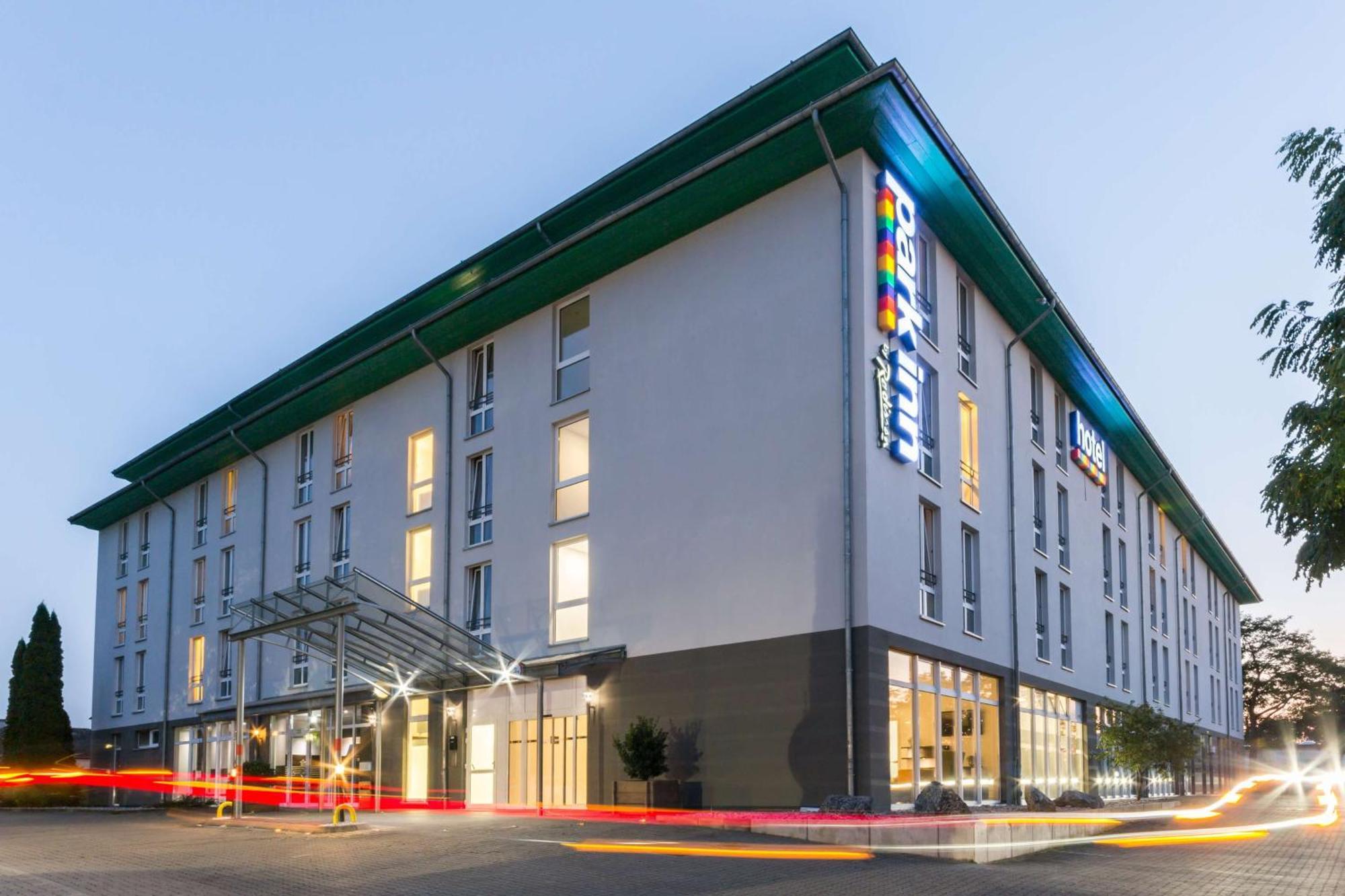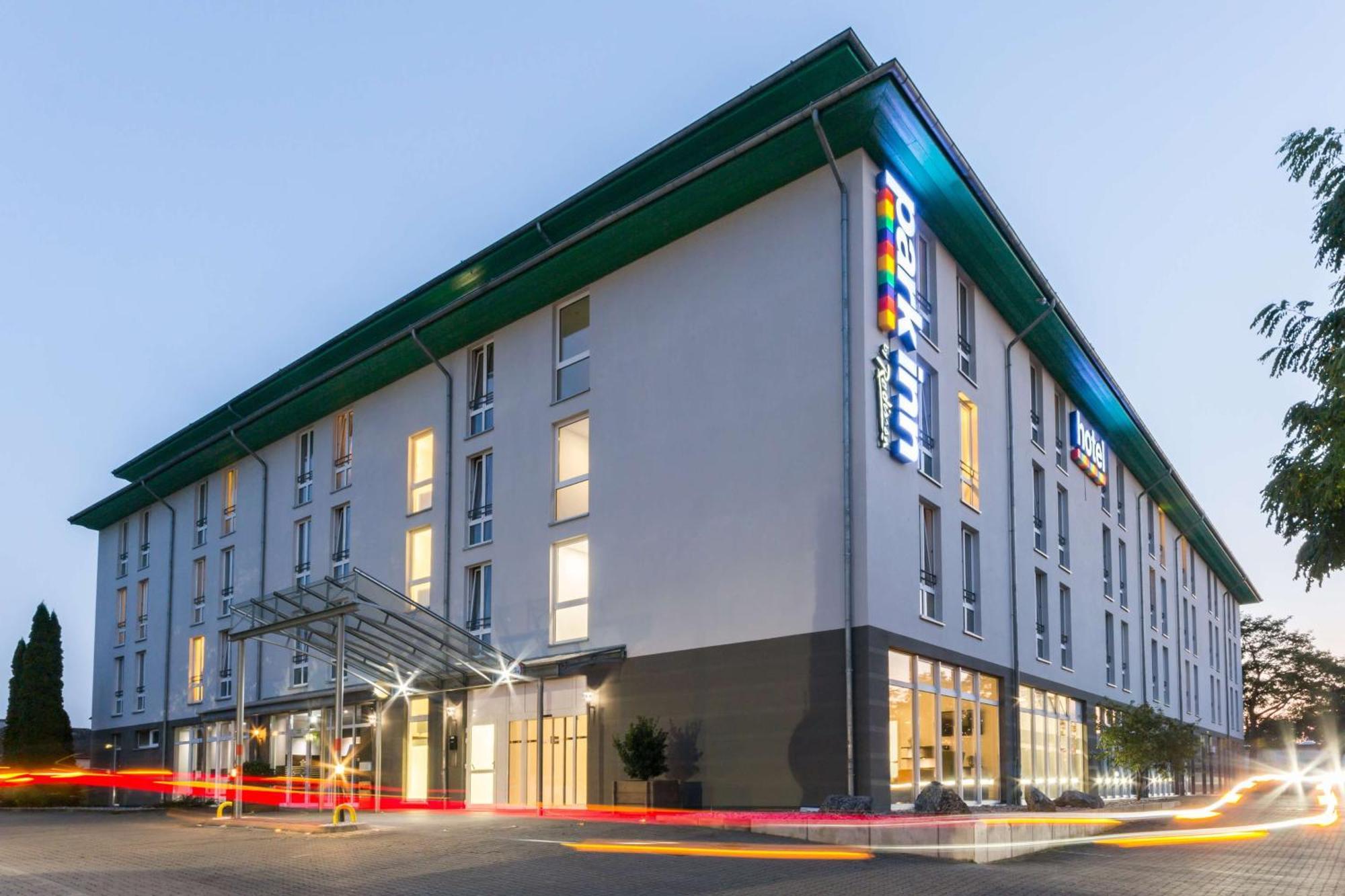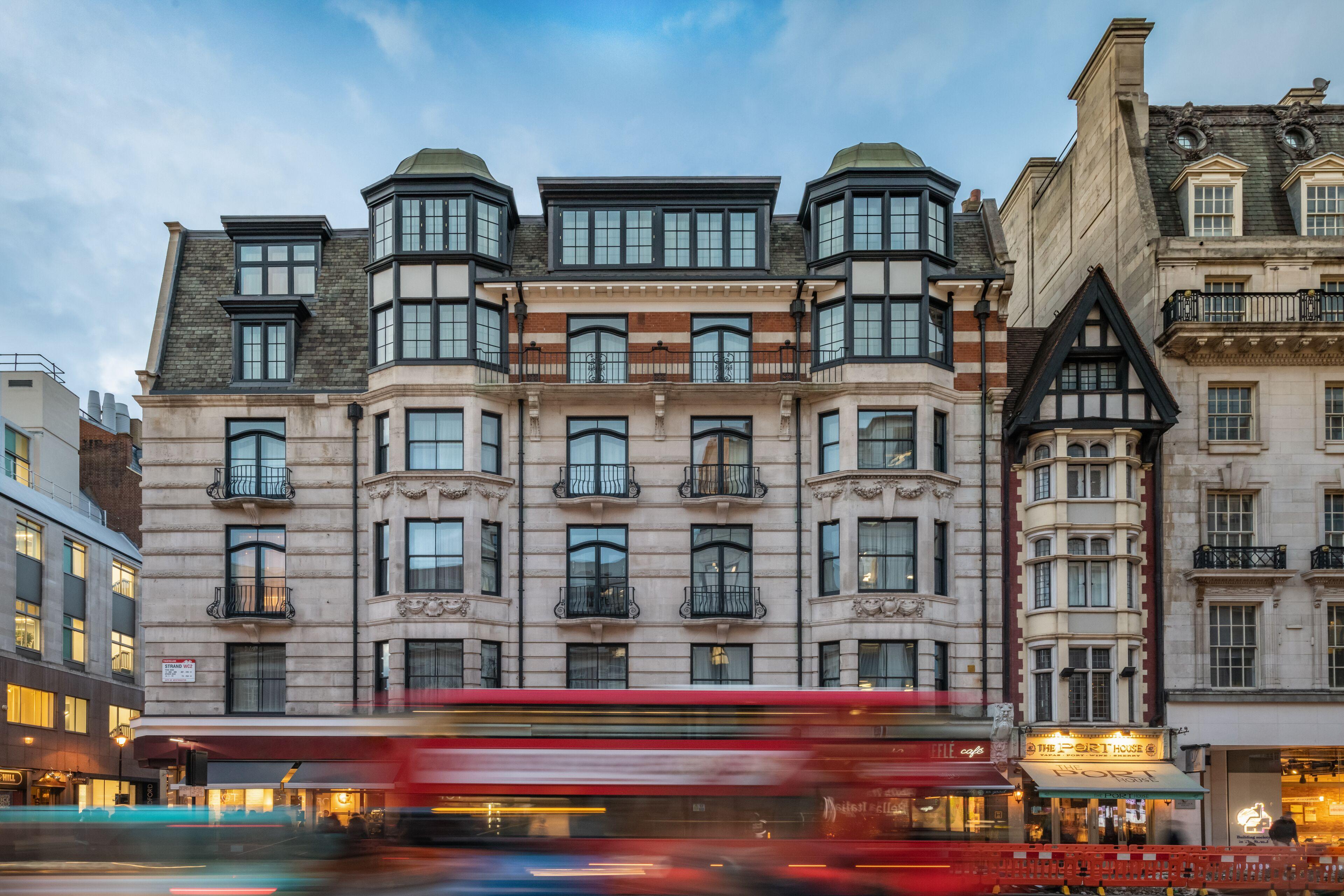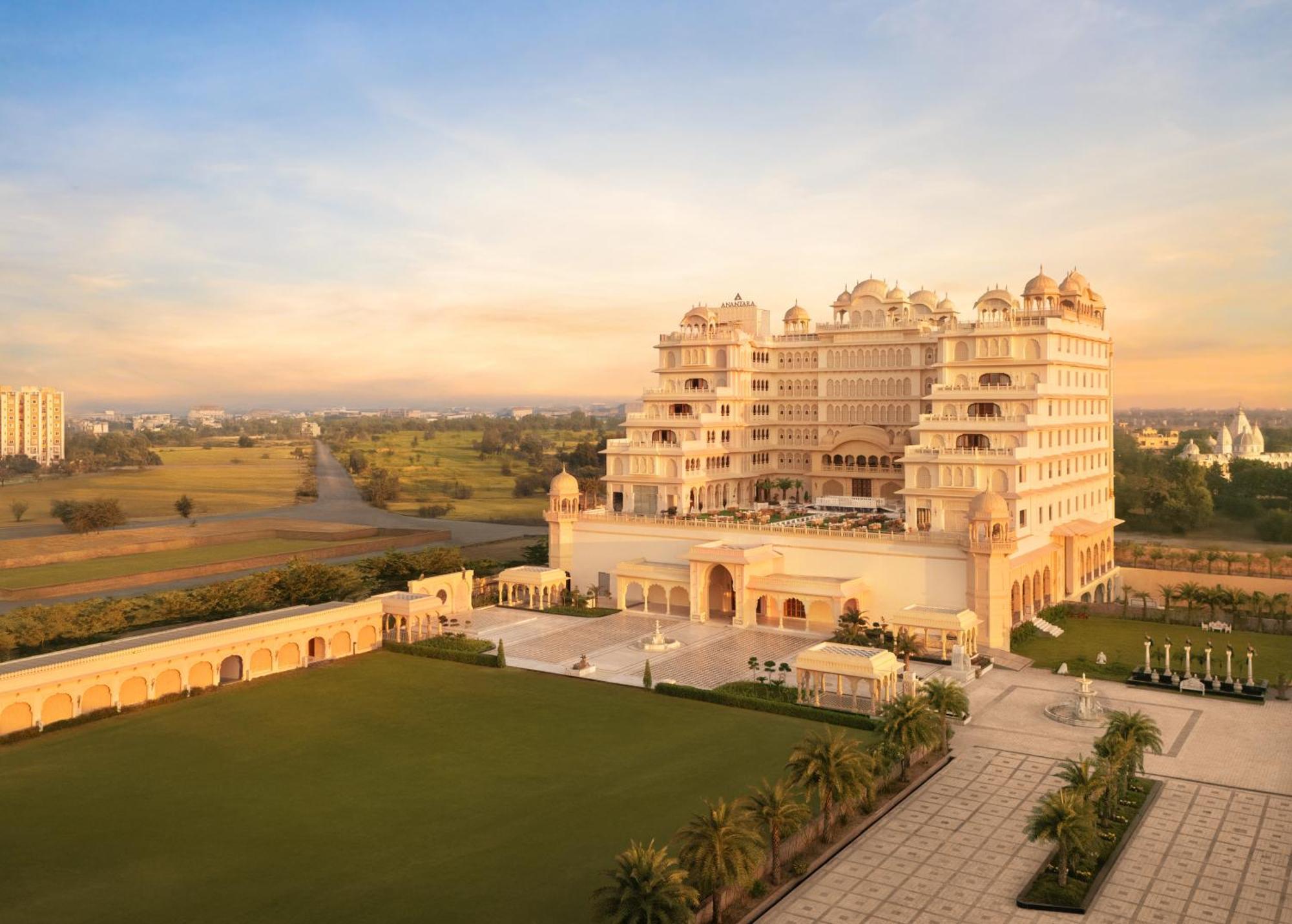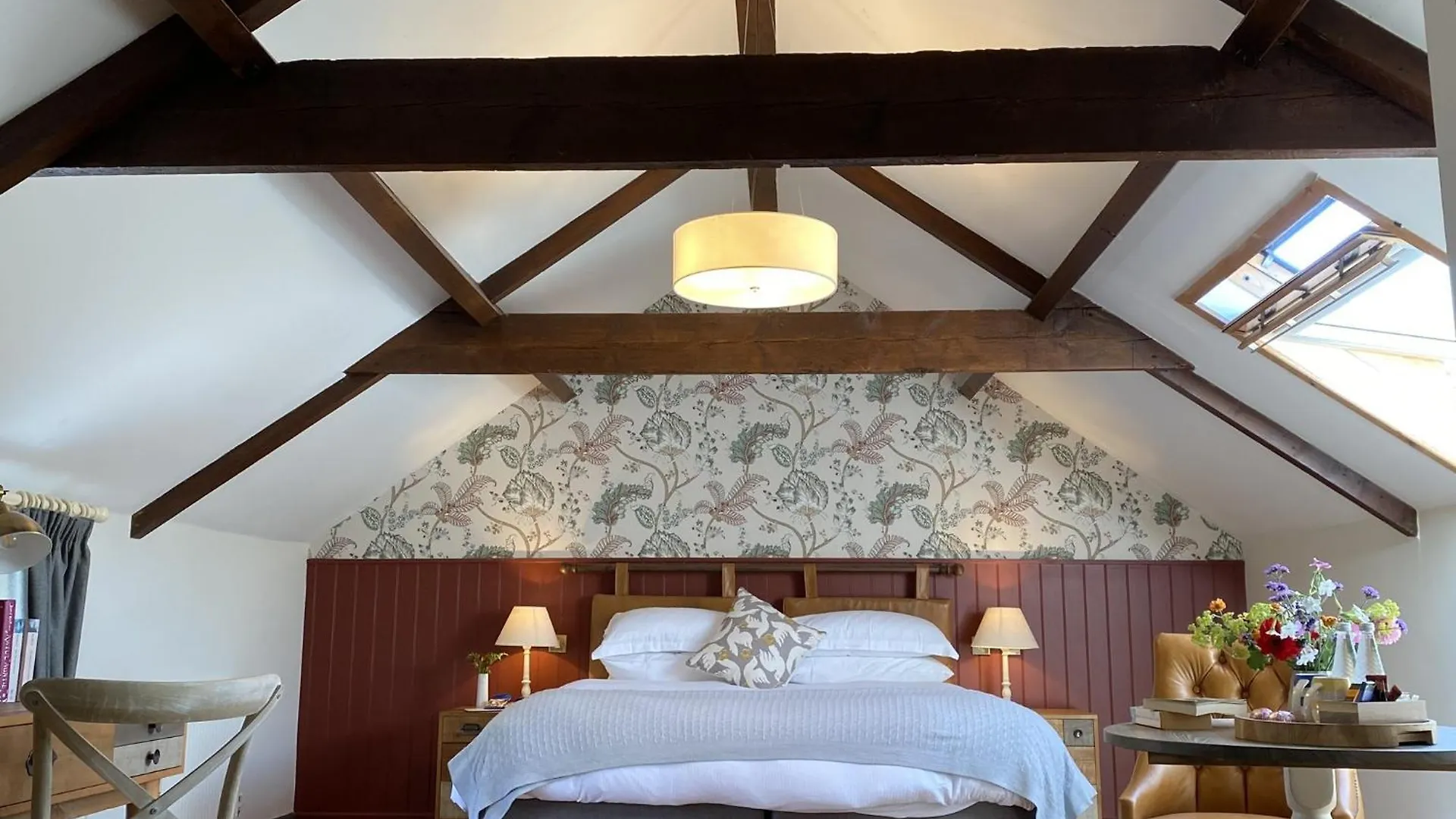
Dorset delivers a rare combination of UNESCO-listed coastline, rolling chalk downland, and market towns steeped in history - making it one of southern England's most rewarding countryside destinations. These four luxury hotels in Dorset sit across distinct corners of the county, from Hardy Country near Wareham to the hilltop town of Shaftesbury, giving you real geographic choice rather than a cluster of near-identical options. Whether you're planning a long weekend on the Jurassic Coast or a slow rural retreat inland, this guide breaks down exactly what each property offers and where it positions you.
What It's Like Staying in Dorset
Dorset is England's only county with no motorway, which sets the tone immediately: getting around takes longer than you'd expect from a map, but the reward is near-total absence of the urban noise that plagues comparable destinations like the Cotswolds. The county spans around 100 kilometres coast to coast, so where you base yourself genuinely shapes your experience - a hotel near Dorchester puts you close to the Jurassic Coast and Thomas Hardy's landscape, while Shaftesbury in the north gives you the iconic Gold Hill and easy access into Wiltshire. Crowd patterns are heavily seasonal: summer brings beach-bound visitors to Lyme Regis, Swanage, and Weymouth, but inland villages and market towns remain manageable even in August.
Dorset rewards slow travellers who want to drive country lanes, stop at farm shops, and eat well at a village pub - it is not the right base if your trip depends on fast rail links or urban nightlife.
Pros:
Exceptional coastal and rural scenery with UNESCO World Heritage status along the Jurassic Coast
Genuinely low tourist density inland compared to the Lake District or Cotswolds
Strong local food culture - Dorset Blue Vinny cheese, crab from Swanage, and cider from local producers
Cons:
No motorway access means journey times from London are around 3 hours by car
Public transport between villages is sparse, making a car effectively mandatory
Coastal towns fill up fast in July and August, pushing prices noticeably higher
Why Choose Luxury Hotels in Dorset
Luxury accommodation in Dorset doesn't follow the urban hotel playbook - you won't find glass towers or rooftop pools. Instead, the luxury offer here is built around Georgian architecture, individually styled rooms, open fireplaces, and kitchens that take local produce seriously. Properties in this category typically run from around £120 to over £200 per night, but that price point buys you a meaningfully different experience from a budget B&B: larger rooms, roll-top baths, quality linen, and food worth staying in for. The trade-off is that some luxury rural hotels in Dorset have limited check-in windows and early checkout times, which suits self-sufficient travellers more than those expecting 24-hour city hotel flexibility.
Unlike luxury hotels in Bath or the Cotswolds, Dorset's upmarket stays are rarely crowded with coach groups - the county's relative obscurity among international tourists means you get attentive, personal service that larger destinations can't match.
Pros:
Individually decorated rooms with period features rarely found in chain hotels
Strong restaurant quality - several properties serve locally sourced menus and traditional carveries
Free parking as standard, which is genuinely valuable in a county where a car is essential
Cons:
Check-in windows can be restricted compared to city hotels - planning arrival time matters
Fewer on-site facilities like gyms or spas compared to luxury urban properties
Availability is tight on summer weekends, especially near the Jurassic Coast
Practical Booking & Area Strategy in Dorset
Dorset's geography makes your choice of base more consequential than in a compact city. Dorchester is the most central town for accessing both the coast and the inland countryside, sitting roughly equidistant from Weymouth to the south and Blandford Forum to the northeast. If your priority is Corfe Castle, the Purbeck coastline, or Poole Harbour, position yourself east - properties near Wareham or in the Purbeck area keep those sites within 20 minutes by car. Shaftesbury and Blandford Forum in the north make more sense if you're combining Dorset with Wiltshire or planning visits to Salisbury Cathedral, which sits around 40 kilometres from Blandford.
Key Dorset attractions worth planning around include the Jurassic Coast walk from Lyme Regis to Studland, Athelhampton House, Monkey World, Gold Hill in Shaftesbury, and the Tank Museum in Bovington. Book luxury rooms at least 6 weeks ahead for summer weekends - last-minute availability drops sharply from late June through August, and the county's limited hotel stock means prices spike faster than in larger regions.
Micro-location tip: If you're splitting your trip between coast and countryside, a property near Dorchester or Wareham gives you the best reach across the county without a single long daily drive.
Best Value Stays
These properties offer strong character, good food, and reliable comfort at the more accessible end of Dorset's luxury market - with free parking and quality breakfasts included as standard.
-
1. The Countryman Inn
Show on map


 Check-infrom 14:00 until 22:00Check-outuntil 10:00
Just a few rooms left at the best rate!
from£ 67
-
2. The Charlton Inn
Show on map


 Check-infrom 14:00 until 22:00Check-outuntil 10:00
Just a few rooms left at the best rate!
from£ 53
-
3. The Brace Of Pheasants
Show on map


 Check-infrom 16:00 until 22:00Check-outuntil 10:00
Hurry – almost gone at this price!
from£ 124
Best Premium Stay
For travellers who want a more polished hotel experience - think individually styled rooms, roll-top baths, a quality restaurant, and a town-centre setting - this property sets a higher bar within Dorset's luxury offer.
-
4. The Grosvenor Arms
Show on map


 Check-infrom 15:00 until 22:00Check-outfrom 08:00 until 11:00
Rooms filling fast – secure the best rate!
from£ 82
Smart Travel & Timing Advice for Dorset
Dorset's peak season runs from late June through August, when coastal towns like Lyme Regis, Swanage, and Weymouth draw significant visitor numbers and hotel rates climb noticeably - booking at least 8 weeks ahead for a summer stay is strongly advised for any of the properties in this guide. The shoulder seasons - May, early June, and September - offer the best balance of good weather, manageable crowds, and more competitive pricing, particularly at inland properties like The Brace of Pheasants and The Countryman Inn. October through March is quietest, and while coastal walking is still excellent, some local attractions reduce their hours significantly after the summer season ends.
For a first visit, three nights gives you enough time to cover one coastal area plus one inland attraction without feeling rushed. The Jurassic Coast is best walked in spring or early autumn when the paths are dry but the summer crowd pressure has eased. Last-minute deals do appear at inland properties mid-week in winter, but premium town-centre hotels like The Grosvenor Arms in Shaftesbury tend to hold their rates year-round due to consistently strong demand from weekend leisure travellers.