Africa's hotel landscape spans an extraordinary range of environments - from urban business capitals like Berlin and Göttingen to safari lodges and coastal retreats - making the choice of a luxury property a genuinely strategic decision. These four hotels offer upscale amenities including fitness centres, saunas, rooftop terraces, and curated dining experiences that go well beyond the regional average. Whether you're travelling for business, culture, or extended exploration, this guide breaks down what each property actually delivers so you can book with confidence.
What It's Like Staying in Africa
Africa is the world's second-largest continent, encompassing vastly different travel rhythms - from the fast-paced infrastructure of North African cities to the remote, wildlife-rich landscapes of sub-Saharan savannahs. Transport connectivity varies dramatically by region: major hubs like Nairobi, Cairo, and Cape Town offer well-connected international airports, while reaching more remote destinations can require internal flights or long road transfers. Luxury travellers benefit most from staying in or near urban centres where services, dining, and ground transport are consistent and reliable.
Crowd patterns depend heavily on the season and destination type - wildlife reserves fill up around dry seasons, while coastal resorts peak during European summer holidays. Around 70% of international visitors to Africa prioritise wildlife, cultural heritage, or both, making hotel positioning relative to key attractions a critical booking factor. Travellers who prefer seamless convenience and high-standard amenities will find luxury properties the most dependable base, while budget-focused travellers may prefer elsewhere.
Pros:
- Exceptional diversity of landscapes and cultural experiences within a single continent
- Luxury properties often include exclusive access to wildlife areas, private beaches, or heritage sites
- Strong value compared to equivalent luxury stays in Europe or North America
Cons:
- Internal transport between African destinations can be expensive and time-consuming
- Infrastructure quality drops sharply outside major urban and tourist corridors
- Health and safety planning (vaccinations, travel insurance) requires more lead time than most destinations
Why Choose Luxury Hotels in Africa
Luxury hotels in Africa offer a level of service and amenity depth that is genuinely difficult to replicate at lower price points - particularly when it comes to curated experiences like guided game drives, private dining setups, and concierge-led itinerary planning. In urban African settings, 4-star and above properties typically provide air-conditioned rooms, on-site fitness centres, in-house restaurants, and 24-hour front desks that handle everything from airport transfers to local tour bookings. Room sizes at African luxury hotels tend to be more generous than equivalents in European capitals, with many properties offering suite configurations or private terraces as standard in higher categories.
The price difference between mid-range and luxury in Africa is significant but often justified: luxury properties average around 40% more per night but typically include breakfast, transfers, and exclusive amenities that reduce total trip spend. Noise and foot traffic are less of an issue than in densely packed European city-centre hotels, as many African luxury properties are purpose-built with soundproofing and landscaped buffer zones. This category is best suited to travellers who want reliability, comfort, and time efficiency - where the hotel itself becomes part of the experience rather than just a place to sleep.
Pros:
- Breakfast, airport transfers, and guided services are frequently bundled into luxury rates
- Higher room-to-guest ratios mean more attentive, personalised service
- On-site restaurants at this level consistently outperform nearby street dining in terms of food safety and quality consistency
Cons:
- Premium pricing can make extended stays expensive, especially during peak season
- Some luxury properties are remote, requiring private transport for all excursions
- Upscale hotel restaurants, while high quality, may lack the authenticity of local dining scenes
Practical Booking & Area Strategy
When booking a luxury hotel in Africa, positioning relative to transport hubs and key attractions is the most important logistical factor. In urban destinations, staying within around 3 kilometres of a central train station or major airport link cuts transfer costs significantly and reduces arrival-day friction - particularly relevant for business travellers with tight schedules. Göttingen's old town, for example, sits within easy reach of multiple 4-star properties, allowing guests to walk to cultural landmarks without relying on taxis or rideshares.
For continent-wide travel, Africa's peak seasons cluster around July to September in East and Southern Africa (dry season, optimal for wildlife), and November to March in North Africa (cooler temperatures, cultural festival calendars). Booking at least 8 weeks ahead for peak-season luxury stays is strongly advisable, as top-tier properties in high-demand corridors like the Serengeti, Cape Winelands, or Marrakech fill quickly. Early booking also unlocks better room categories at the same rate - a meaningful advantage at properties where suite inventory is limited. Night-time atmosphere in urban luxury hotel zones is generally safe and well-lit, with in-house dining reducing the need to navigate unfamiliar streets after dark.
Best Value Luxury Stays
These properties deliver strong 4-star amenities, reliable transport access, and well-rated breakfast offerings at competitive luxury price points - solid picks for travellers prioritising practicality alongside comfort.
-
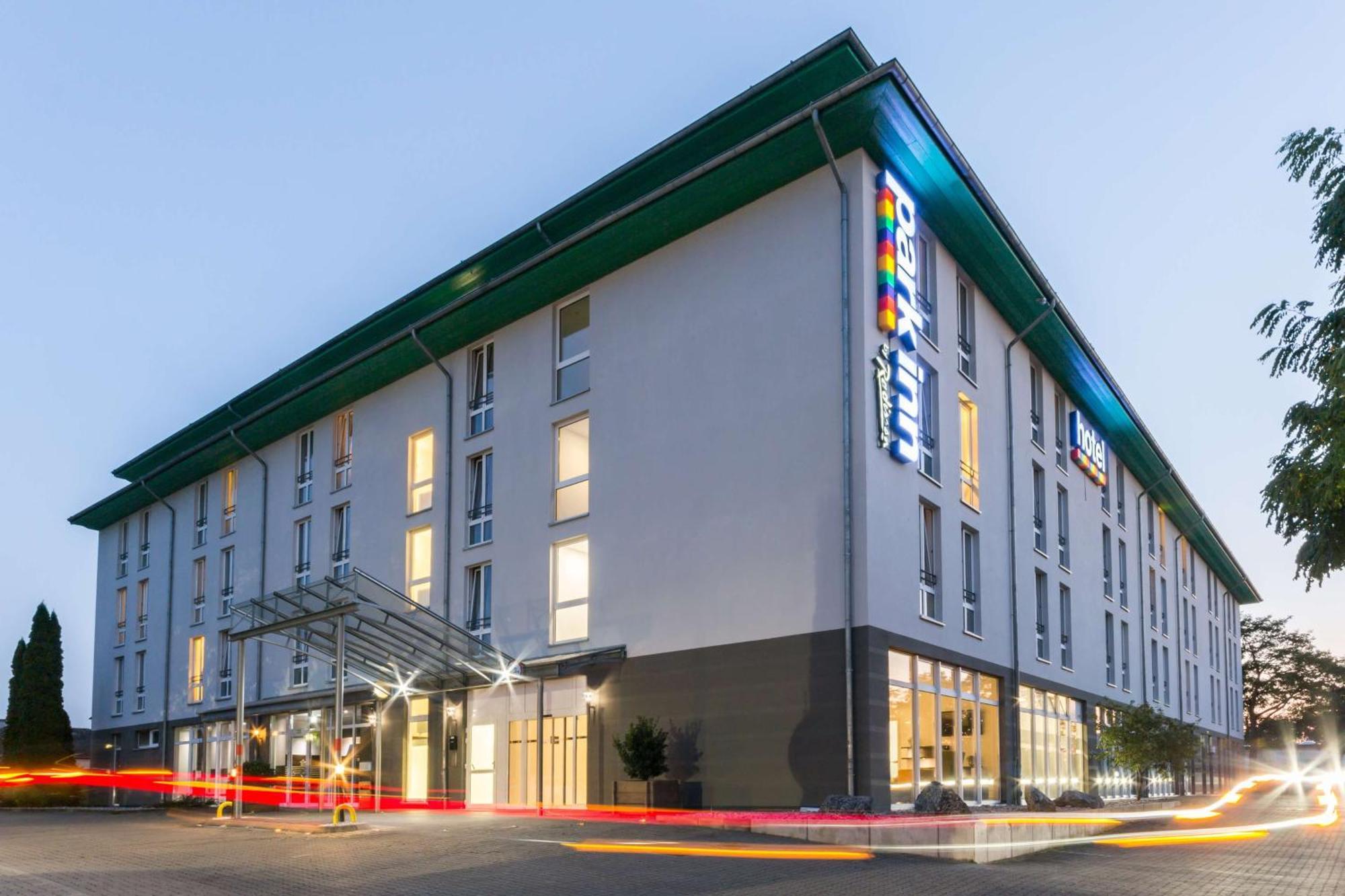
1. Park Inn By Radisson Goettingen
Show on map


 Check-infrom 14:00 until 23:30Check-outuntil 12:00
Just a few rooms left at the best rate!
from€ 114
-
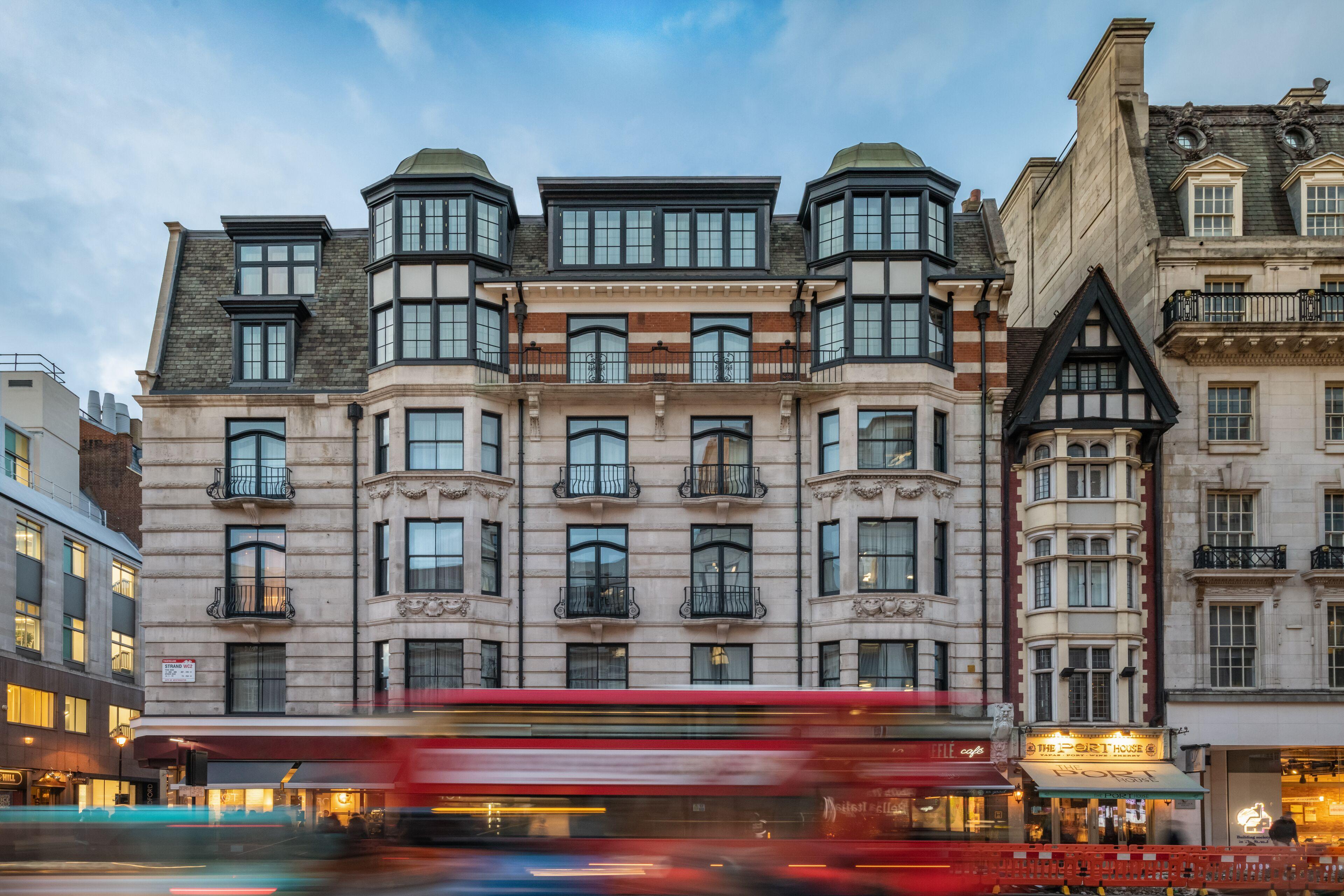
2. Best Western Hotel Am Papenberg
Show on map


 Check-infrom 14:00 until 23:59Check-outfrom 06:00 until 11:00
Just a few rooms left at the best rate!
from€ 80
Best Premium Luxury Stays
These properties offer elevated amenity profiles - curated dining, shuttle services, premium fitness infrastructure, and proximity to major cultural landmarks - suited to travellers who want a hotel that actively enhances their itinerary.
-
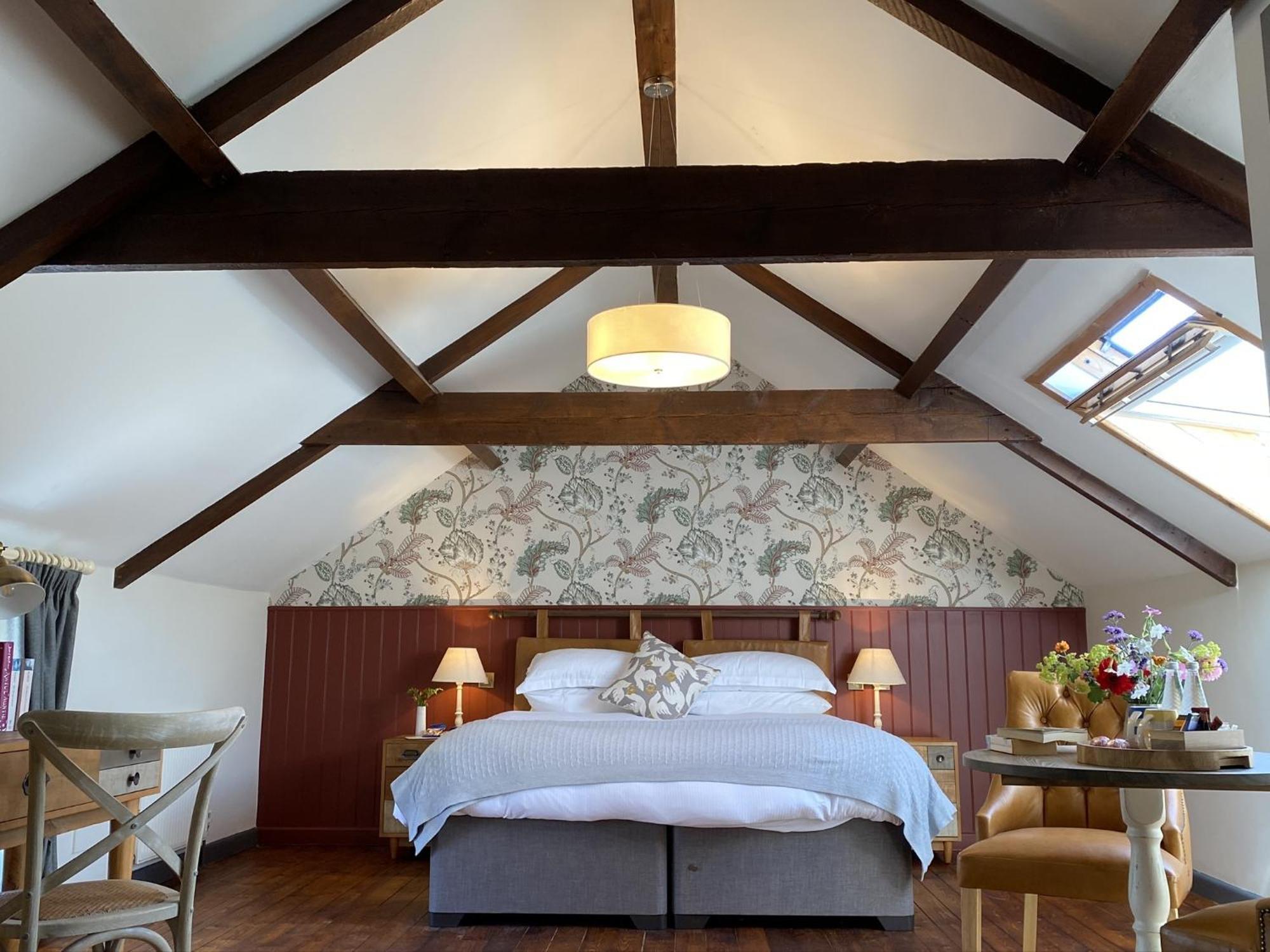
3. Telegraphenamt
Show on map


 Check-infrom 15:00 until 23:59Check-outuntil 12:00
Hurry – almost gone at this price!
from€ 246
-
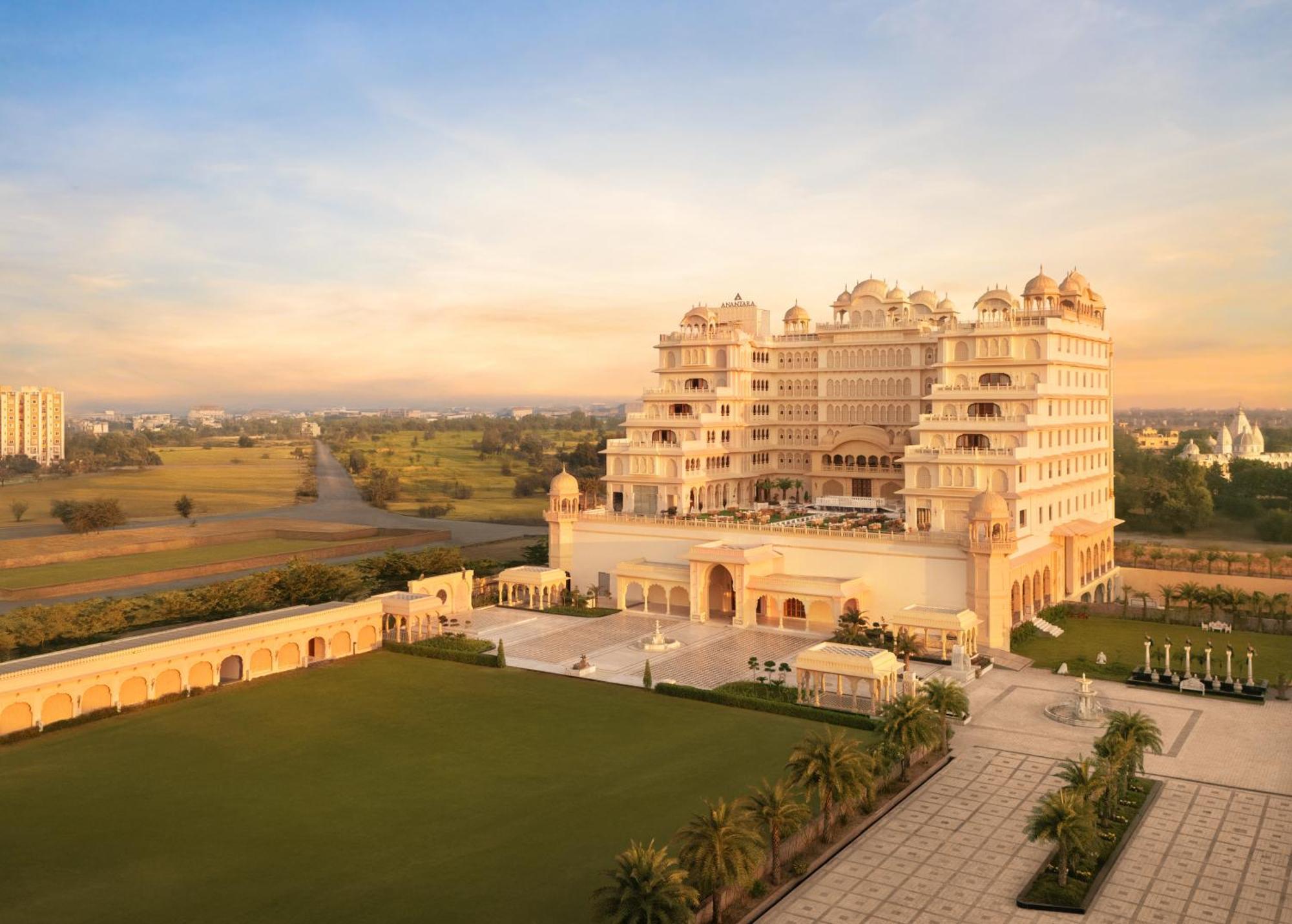
4. Four Points Flex By Sheraton Goettingen
Show on map


 Check-infrom 15:00 until 23:59Check-outuntil 12:00
Rooms filling fast – secure the best rate!
from€ 64
Smart Travel & Timing Advice
For luxury hotel stays in Africa, timing your visit around shoulder seasons delivers the best combination of value, availability, and experience quality. In East and Southern Africa, the dry season running from June through October is prime wildlife viewing time - prices at luxury lodges spike by around 40% during this window, and availability at top properties becomes extremely limited if you book less than 12 weeks out. Travellers with flexible dates who shift their stay to May or November can access equivalent properties at meaningfully lower rates with far less competition for premium room categories.
For urban luxury stays in cities like Berlin or Göttingen, summer (June to August) and major conference periods drive occupancy to near capacity, pushing nightly rates up sharply. Booking 8 weeks ahead in these windows is the minimum advisable lead time for 4-star and above properties. A stay of 3 to 4 nights in any single property tends to be the practical sweet spot - long enough to justify the logistical effort of arrival and settle into the amenities, but short enough to keep itineraries moving across multiple African destinations. Last-minute luxury bookings in Africa are rarely advantageous; unlike budget accommodation, premium properties do not discount heavily at short notice due to consistently high demand from business and leisure travellers alike.