Crested Butte Mountain sits in a remote pocket of the Colorado Rockies, drawing skiers, mountain bikers, and wildflower hikers to one of the least commercialized resort towns in the American West. Staying centrally here means quick access to both the ski resort base area and the historic downtown district - two distinct zones separated by around 3 miles. This guide compares four centrally positioned hotels across the broader Crested Butte corridor, from Aspen-adjacent lodges to an adults-only spa B&B steps from the slopes.
What It's Like Staying in Crested Butte Mountain
Crested Butte Mountain operates on a two-hub rhythm: the historic town of Crested Butte sits at the valley floor, while the ski resort base area - Mount Crested Butte - sits around 3 miles north at higher elevation. Most central accommodations cluster near one hub or the other, which directly affects your daily logistics depending on whether you're here to ski or explore the town's Victorian-era dining and arts scene. Unlike Aspen or Telluride, crowds here remain manageable even at peak season, though the single-road access via CO-135 means traffic bottlenecks during morning ski runs and afternoon departures. Visitors without a car will rely on the free Mountain Express shuttle, which connects both hubs efficiently but stops running in the early evening.
Pros:
- Far less commercialized than comparable Colorado ski towns, with independent restaurants and local character still intact
- Free shuttle service between town and ski base reduces the need for a rental car during winter stays
- Gunnison-Crested Butte Regional Airport is served by seasonal direct flights, cutting transfer times significantly
Cons:
- CO-135 is the only road in and out - winter road closures or accidents can delay departures by hours
- Evening dining and nightlife options are limited outside of Elk Avenue in the historic town
- High-altitude location means altitude sickness is a real factor for visitors arriving from sea level
Why Choose Central Hotels in Crested Butte Mountain
Central hotels in the Crested Butte corridor give guests the most flexible access to the region's core activities - skiing at Crested Butte Mountain Resort, hiking the Maroon Bells-Snowmass Wilderness corridors, and fishing the Gunnison River tributaries like the Frying Pan River. Properties positioned between Aspen and Crested Butte tend to serve guests targeting multiple destinations, while those in Crested Butte town itself offer walkability to Elk Avenue. Rates at central B&Bs and inns typically run lower than ski-in/ski-out slopeside rooms, making them a practical trade-off if slope access isn't your top priority. Room sizes at smaller inns are noticeably more generous than what you'd find in comparable urban boutique hotels, though premium properties with spa or pool facilities still command a significant price premium over basic motel-style options.
Pros:
- Central properties offer proximity to both hiking trailheads and ski shuttle stops without requiring daily long drives
- Smaller inns and B&Bs in this zone often include breakfast, reducing daily meal costs in an expensive resort market
- Hotels with on-site parking eliminate the stress of Crested Butte's limited street parking during peak winter weekends
Cons:
- True ski-in/ski-out access is not available from any central town property - a shuttle or drive is always required
- Some central options are motel-grade and lack amenities like pools or fitness centers that larger resorts provide
- Smaller properties in this area tend to book out around 8 weeks ahead of peak ski weekends, limiting last-minute flexibility
Practical Booking & Area Strategy for Crested Butte Mountain
The most strategic base for first-time visitors is Crested Butte town itself - walkable to Elk Avenue's restaurants, close to the free Mountain Express shuttle stop, and generally priced lower than slopeside accommodations. Guests targeting fly fishing on the Frying Pan River or day trips toward Aspen will find properties near Basalt a more efficient base, cutting around 30 minutes off daily drives toward those corridors. Book at least 6 weeks ahead for any January-March ski season stay, as the limited room inventory in this small valley fills quickly once powder forecasts circulate. For summer wildflower season - which peaks in July - Crested Butte hosts one of North America's most celebrated wildflower festivals, so mid-July availability drops sharply. The Gunnison-Crested Butte Regional Airport receives seasonal flights from Denver, Dallas, and Houston, making fly-in trips viable without a long mountain drive.
Best Value Stays
These properties deliver solid practicality and location access at the most accessible price points in the Crested Butte corridor - suited to activity-focused travelers who prioritize function over frills.
-
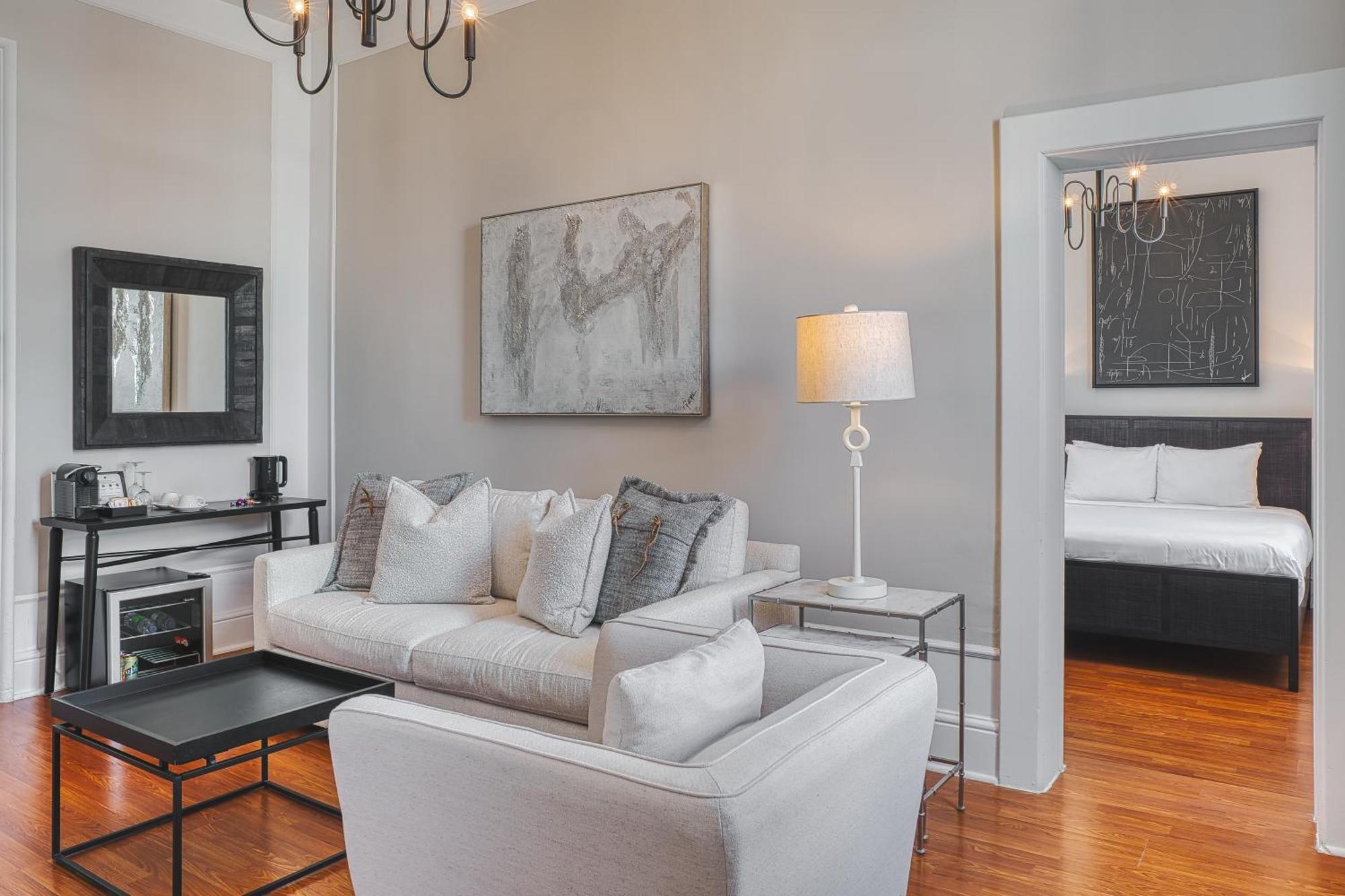
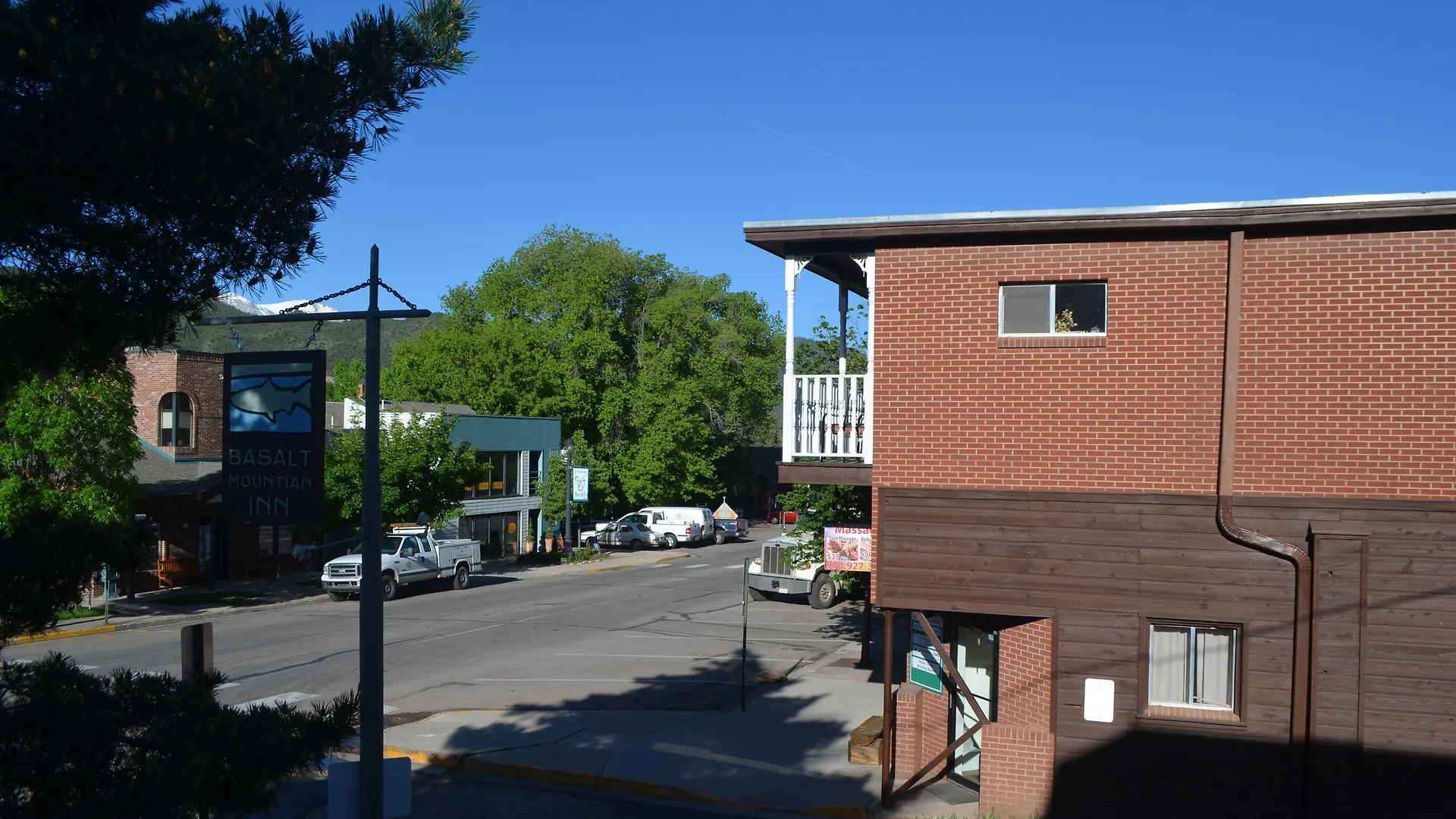
1. Basalt Mountain Inn
Show on map


 Check-infrom 15:00 until 20:00Check-outfrom 08:00 until 11:00
Just a few rooms left at the best rate!
fromUS$ 132
-
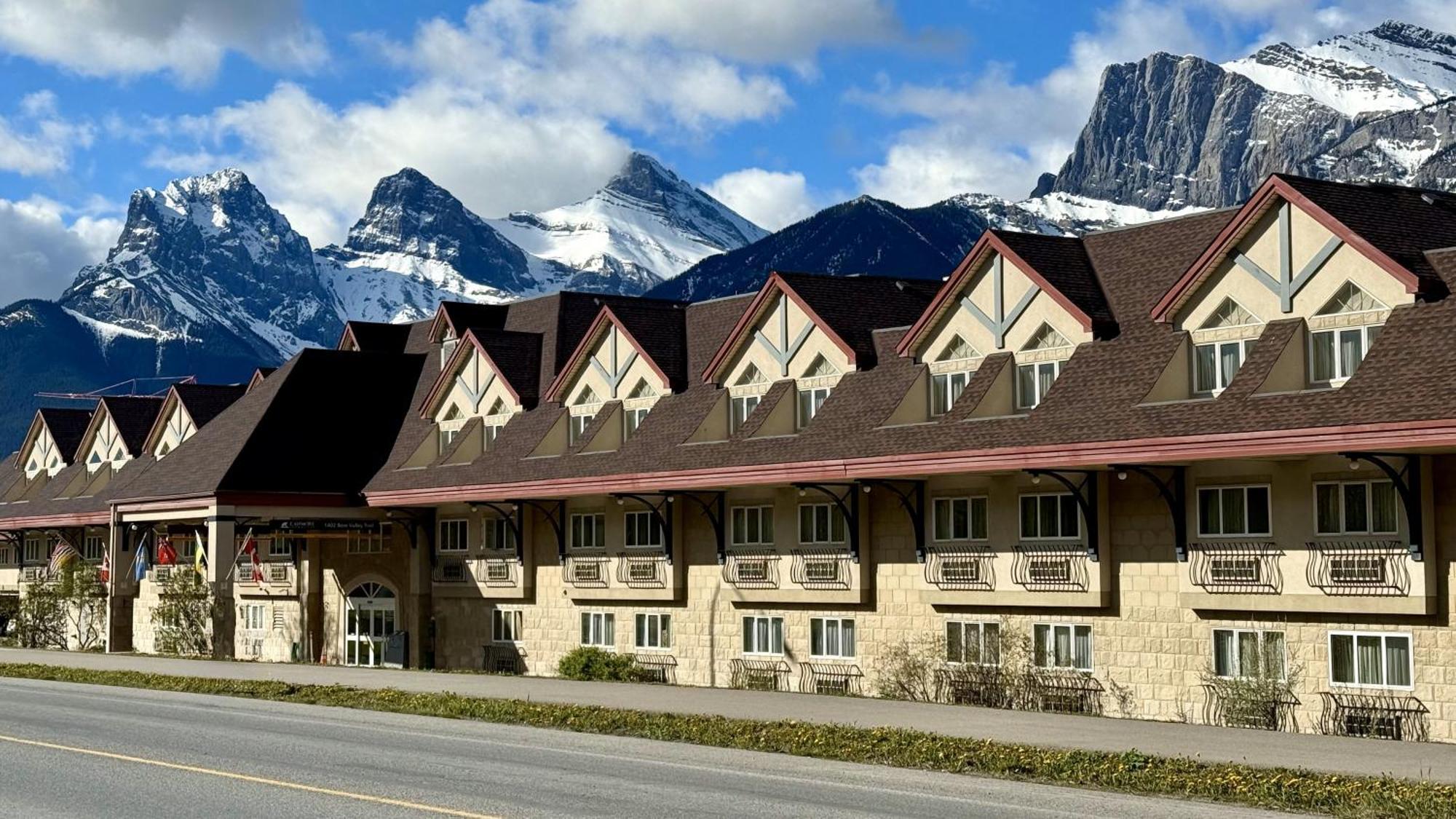
2. Best Western Vista Inn
Show on map


 Check-infrom 16:00 until 23:59Check-outuntil 11:00
Just a few rooms left at the best rate!
fromUS$ 100
Best Premium Stays
These properties offer elevated amenities, distinctive experiences, and stronger positioning for guests who want more than a functional overnight stop in the Crested Butte Mountain area.
-
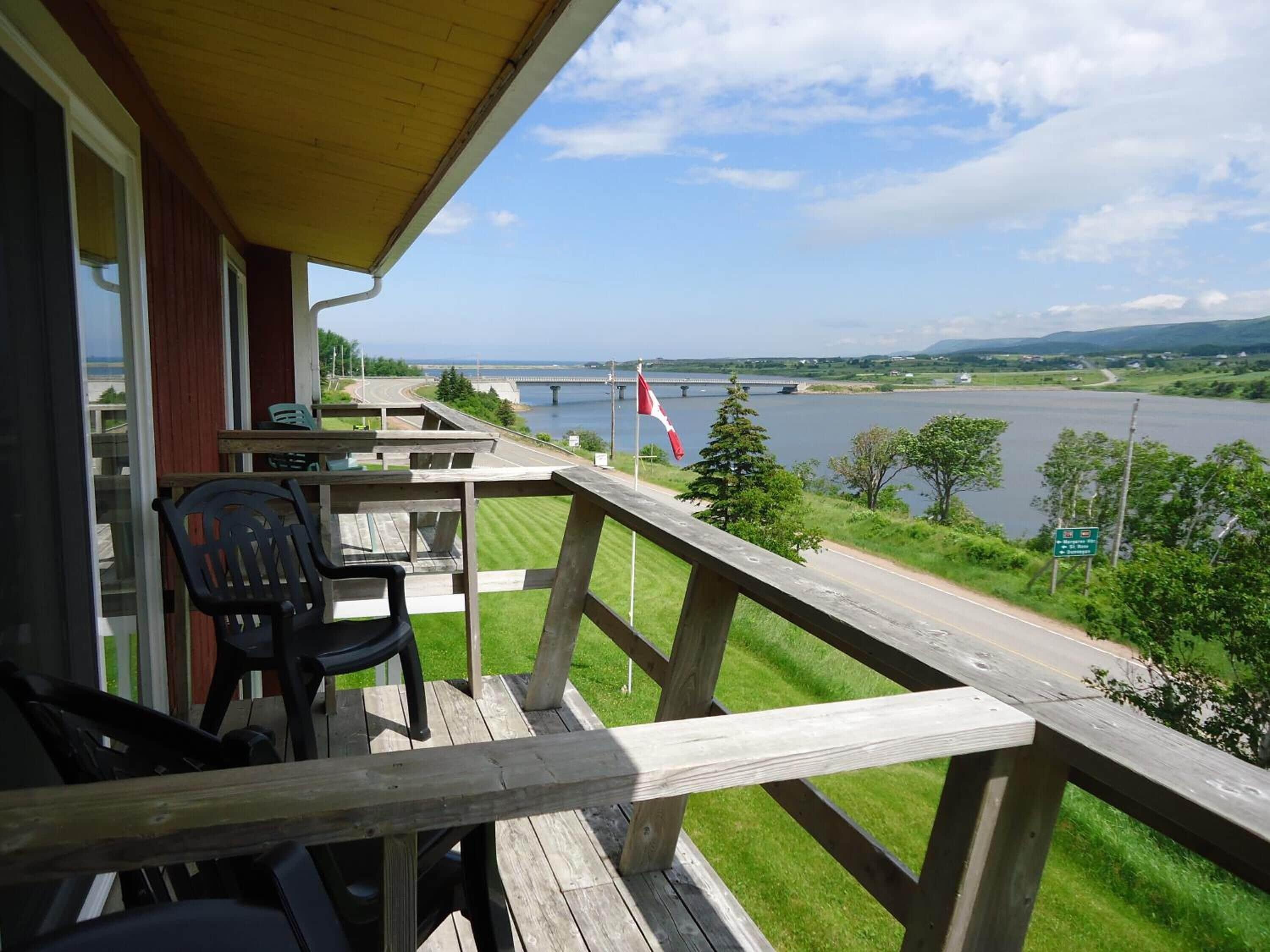
3. Purple Mountain Bed & Breakfast & Spa
Show on map


 Check-infrom 15:00 until 23:59Check-outuntil 11:00
Hurry – almost gone at this price!
fromUS$ 315
-
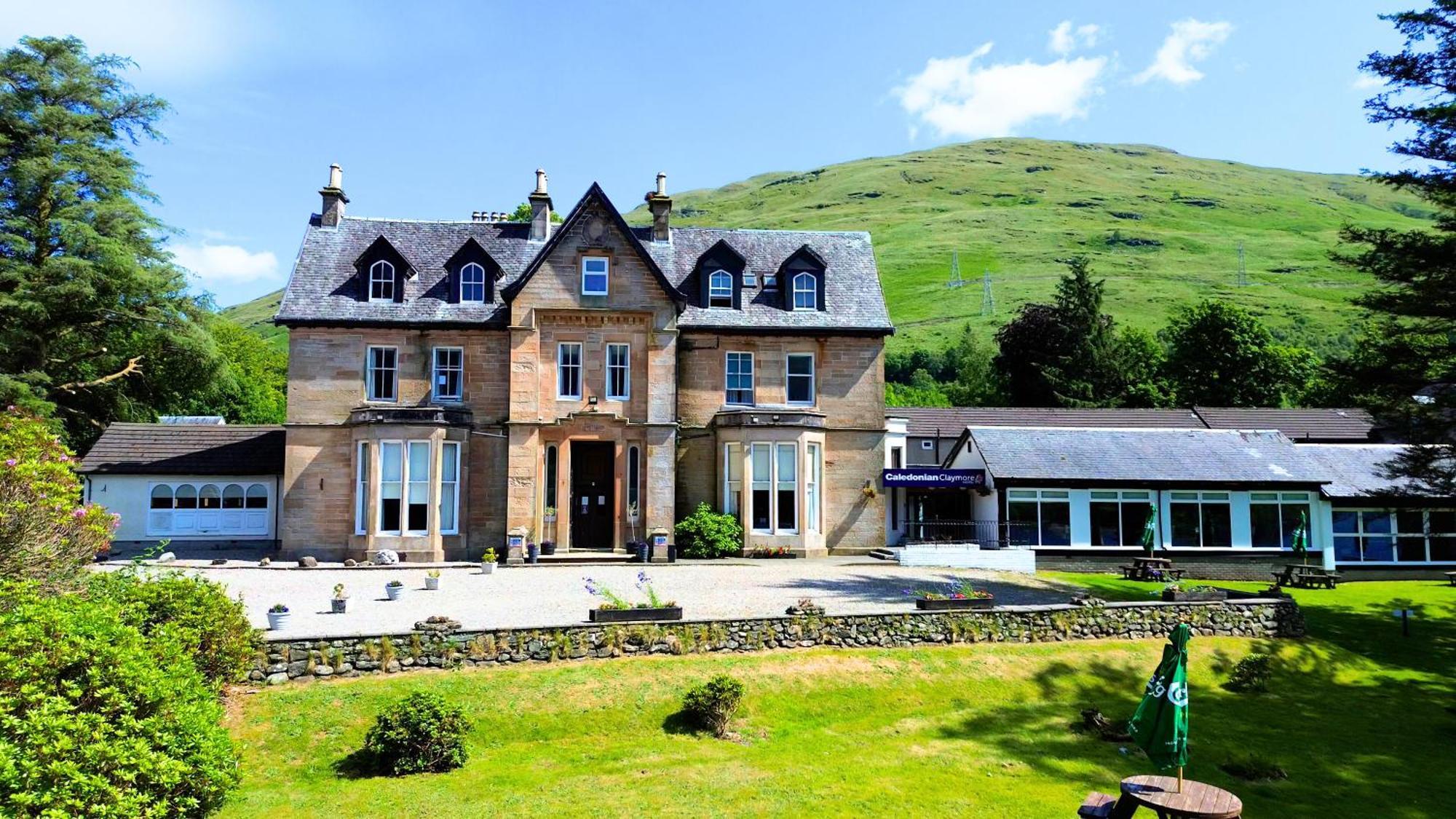
4. W Aspen
Show on map


 Check-infrom 16:00 until 23:30Check-outuntil 11:00
Rooms filling fast – secure the best rate!
fromUS$ 388
Smart Travel & Timing Advice for Crested Butte Mountain
Crested Butte Mountain Resort's ski season runs from late November through early April, with January and February delivering the most reliable powder and the highest hotel rates. Book at least 6 weeks ahead for any February stay, particularly over Presidents' Day weekend when the mountain sees its single busiest week of the year. Summer is increasingly competitive: July's Wildflower Festival draws visitors from across the country, pushing availability down sharply in a market with limited room inventory. Shoulder seasons - late April through May and October through mid-November - offer the lowest rates and fewest crowds, though many restaurants and shops reduce hours or close entirely. A minimum of 3 nights is recommended to justify the travel logistics, especially for fly-in guests routing through Denver International with a connection to Gunnison-Crested Butte Regional. Last-minute deals are rare here given the valley's small hotel supply - early booking consistently outperforms waiting for discounts.